All species › Falcons › Falcons and caracaras › American Kestrel
American Kestrel | Falco sparverius
Amerikaanse torenvalk | Cernícalo americano
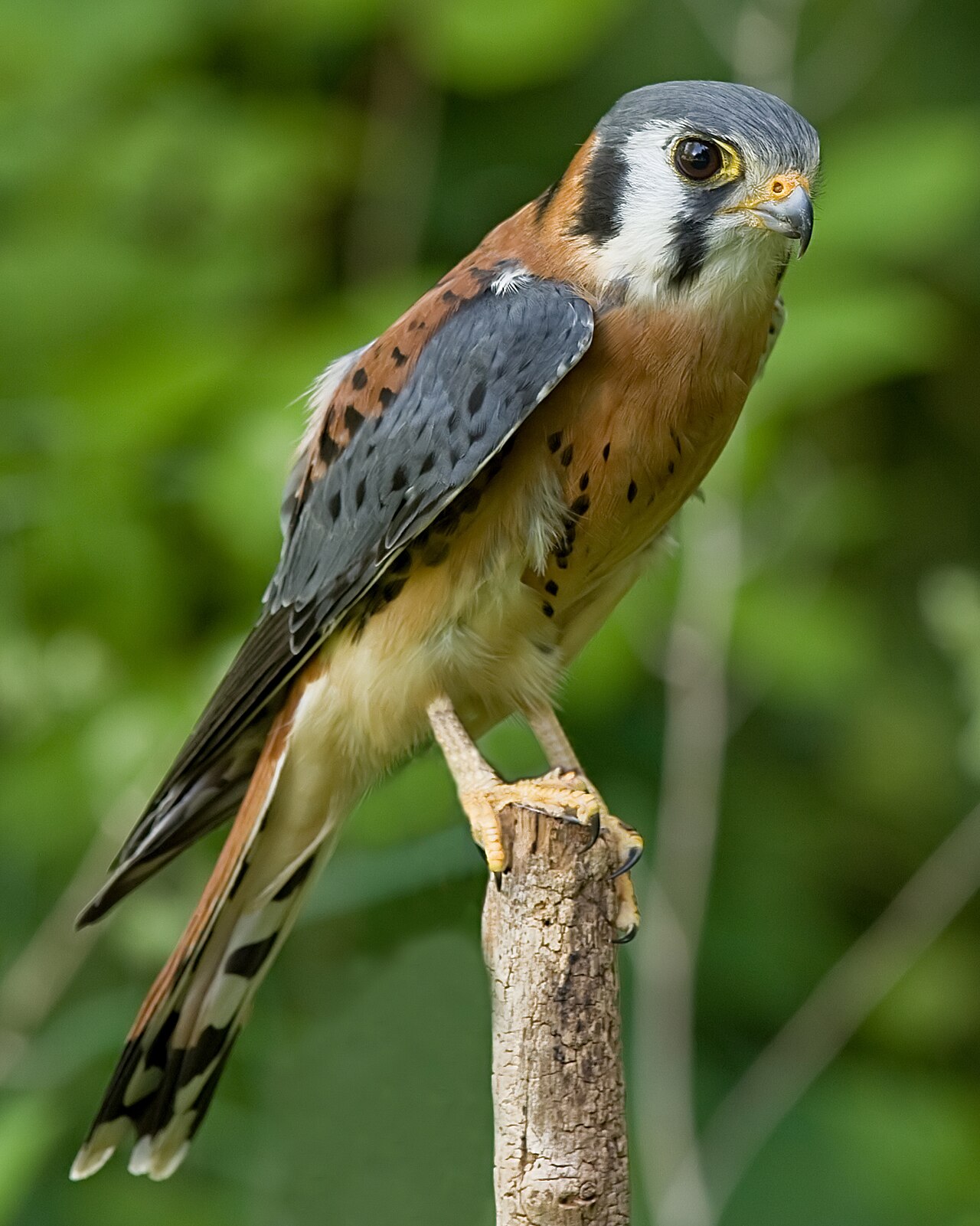
The American Kestrel is the smallest and most widely distributed falcon on the continent, breeding from Alaska to Tierra del Fuego on open farmland as well as in suburbs and along highways. Its compact size and habit of hovering over a field while hunting make it one of the most recognisable raptors in North America.
Voice
The most frequently heard call is a series of sharp, rapid klee-klee-klee notes, given in excitement, nest defence and between mates. Begging young give a rasping, sustained chittering; otherwise the species is largely silent outside the breeding season.
Recording: JAYRSON ARAUJO DE OLIVEIRA — CC BY-NC-SA 4.0 · Reserva Fazenda Capivara - Santo Antônio de Goiás, Brazil · xeno-canto
Identification
A tiny falcon with a two-toned facial pattern of black and white bands and two black 'eyespots' on the nape. The male has slate-blue wings and a rufous back and tail with a single broad black terminal band; the female is rufous across wings, back and tail, with finer barring over the whole body. Both sexes often hunt by hovering, hanging in place on rapidly beating wings before dropping onto prey.
Confusion species
Merlin is larger, more heavily built and darker, lacking the kestrel's double black facial stripe, and hunts in fast, direct flight rather than hovering. Peregrine Falcon is considerably larger with a broad, unbroken black moustache. A hovering falcon over a roadside verge or field, given that size and behaviour, is rarely mistaken for any other species.
Habitat
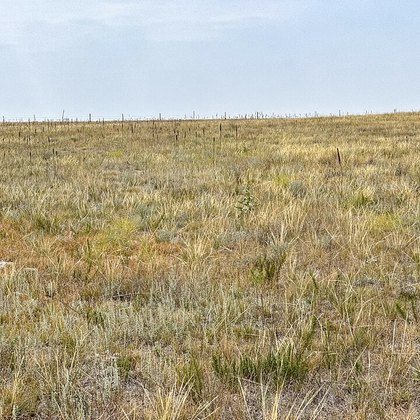
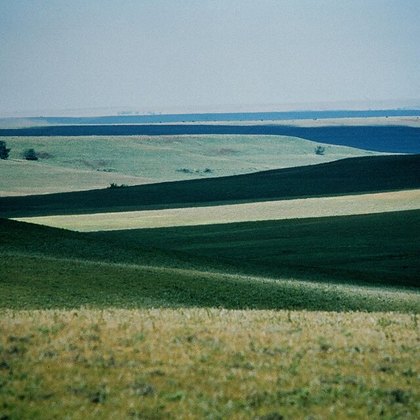
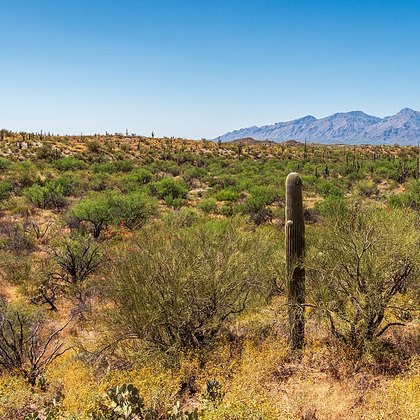
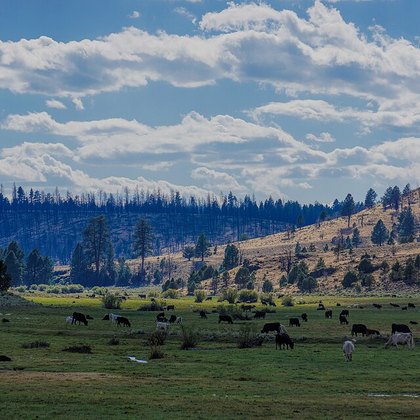
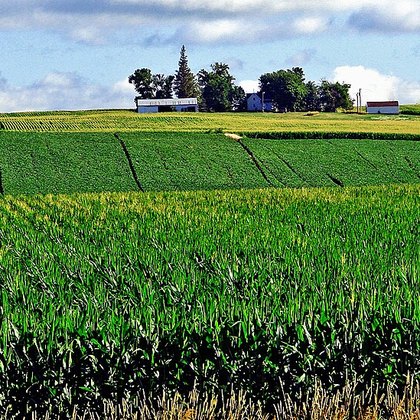
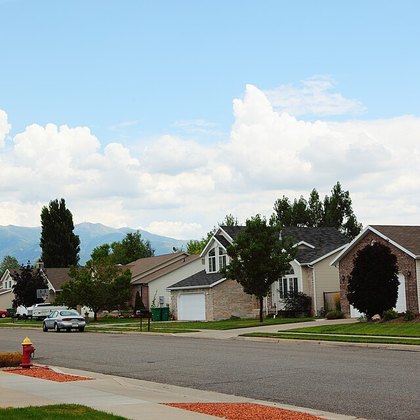
Open terrain with short vegetation and scattered perches is essential: grassland, farmland, pasture, desert edge and the verges along highways. For nesting the species depends on cavities in trees, rock crevices or nest boxes, which also lets it breed in suburbs and parks with mature trees.
Where the bird is most often found, arranged by the USNVC — the vegetation classification of the United States and Canada — and CMECS for sea and coast.
Range and movements
Breeds nearly throughout North America south of the tree line in Alaska and Canada. Northern and central populations migrate south in autumn to the southern United States, Mexico and Middle America, while birds in the southern United States and Mexico remain year-round near their territory. The migration is well tracked along ridgelines and coastlines, where tens to hundreds of kestrels may pass daily in autumn.
- Resident
- Breeding (summer)
- Winter
- Passage
- dark = core range, pale = thinly spread
Where and when to look
Scan power lines and road signs along highways and open farmland: the American Kestrel often perches there alone on watch, and a falcon hovering over a median strip is almost always this species.
Conservation
Despite its wide distribution, the North American population has declined steadily since the 1970s, likely from a combination of fewer natural cavities, pesticide use and competition with European Starlings for nest sites. Nest-box programmes along highways and in farmland support the species locally.
Scientific name
Falco sparverius | Linnaeus, 1758
Linnaeus described the species in 1758 as Falco Sparverius; the genus has remained unchanged since, hence no parentheses around author and year. Falco is Latin for 'falcon'; sparverius derives from the medieval Latin word for 'sparrowhawk', after the similarity in hunting behaviour to the small hawks once used in falconry.