All species › Passerines › Chats, Old World flycatchers and allies
Chats, Old World flycatchers and allies | Muscicapidae
Vliegenvangers | Papamoscas y afines
Worldwide this is a large Old World family; in this region only a handful of species breed, in the far northwest, and the rest turn up as strays on the western islands. What the members share is an upright stance on a low lookout — a stone, a fence post, a tussock — from which they drop onto prey on the ground and then return; the legs are slender and fairly long, the bill short and broad at the base. The plumage is mostly grey or brown, with the colour concentrated on the throat, rump or tail base and revealed only as the bird flies off or spreads its tail. Nesting is in narrow crevices: among stones, in an abandoned rodent burrow or under an overhanging tussock, with a tight entrance leading deep inside. The song is loud and varied and often carries snatches of imitation. The northwestern breeders do not head south across the continent in autumn but cross back over the sea to Asia and travel on from there as far as Africa or southern Asia.
Native species 2 species
Species that occur here by nature: breeding birds, winter visitors and passage migrants. They are arranged by genus, in the sequence of the list.
Luscinia 1 species
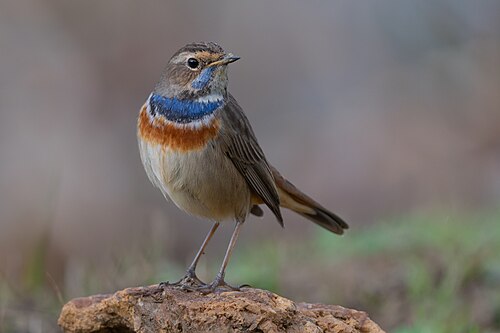
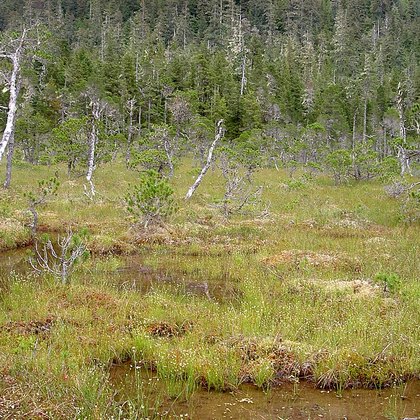
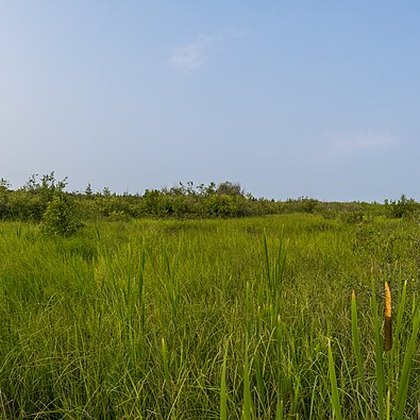
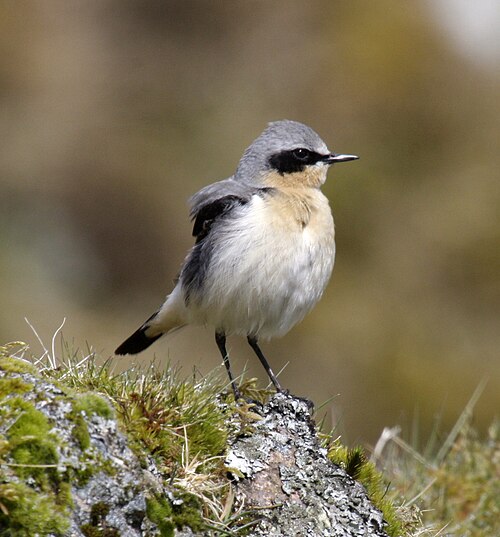

Introduced species 1 species
Species that do not occur here by nature but were brought in or escaped and have held on since. They follow the sequence of the list, not the genera.
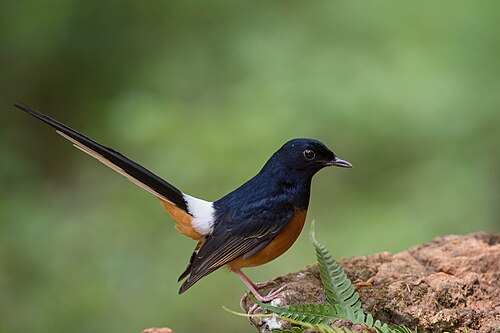
Vagrants 5 species
Birds blown in from other continents, or from far outside their usual range.
-
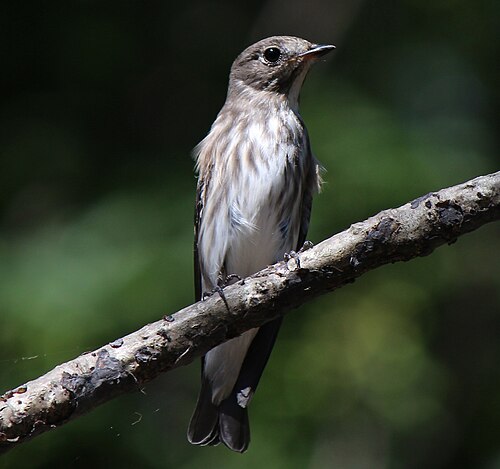
Gray-streaked Flycatcher
Muscicapa griseisticta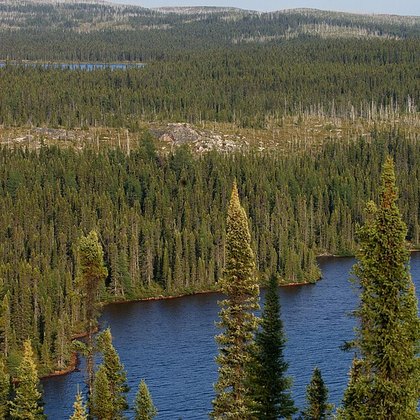 Boreal conifer forest
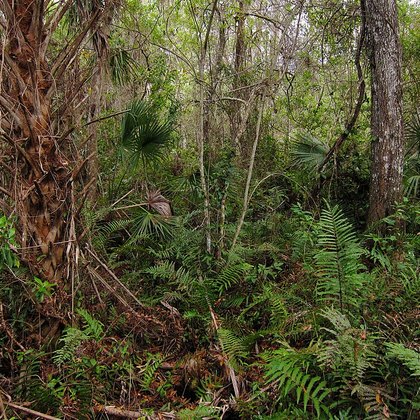 Subtropical and tropical forest
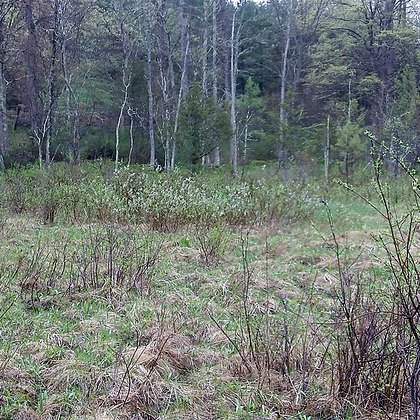 Thickets and woodland edge
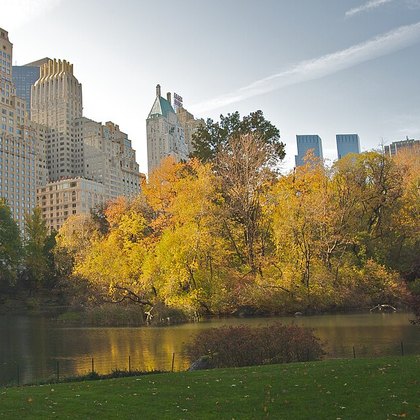 Gardens and parks
-
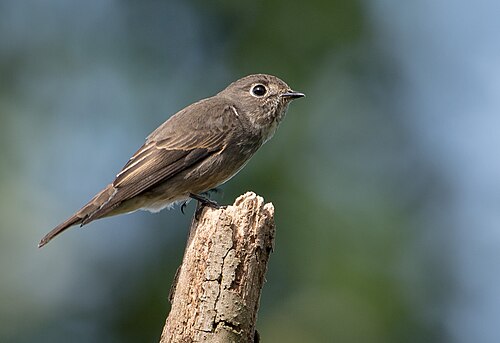
Dark-sided Flycatcher
Muscicapa sibirica- Boreal conifer forest
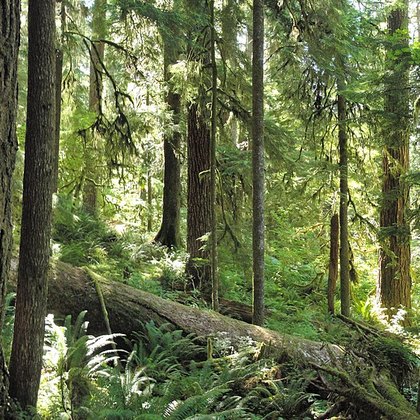 Montane and coastal conifer forest
- Thickets and woodland edge
- Subtropical and tropical forest
- Gardens and parks
-
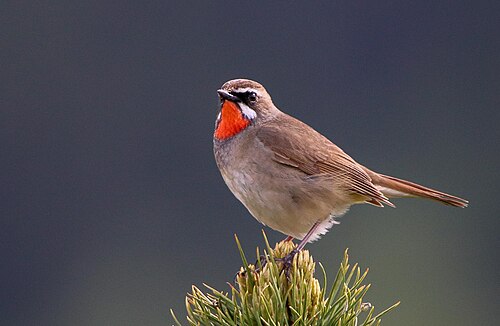
Siberian Rubythroat
Calliope calliope- Boreal conifer forest
- Thickets and woodland edge
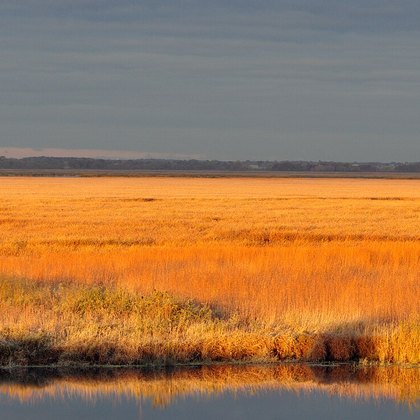 Freshwater marsh
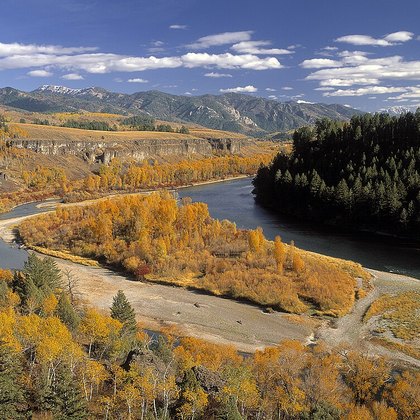 Riparian zone
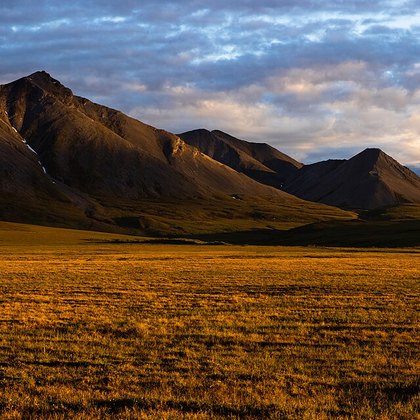 Arctic tundra
-
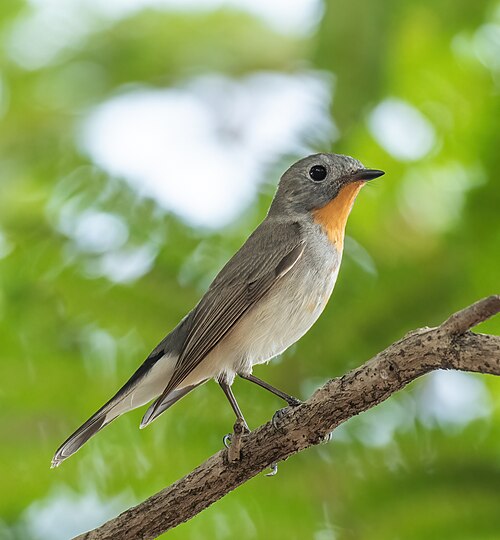
Taiga Flycatcher
Ficedula albicilla- Boreal conifer forest
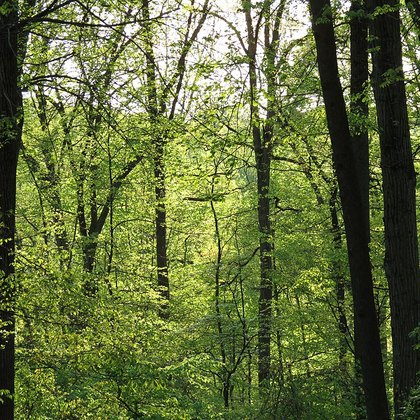 Deciduous forest
- Thickets and woodland edge
- Subtropical and tropical forest
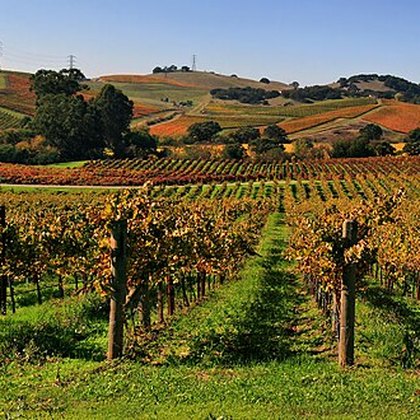 Orchard and vineyard
-
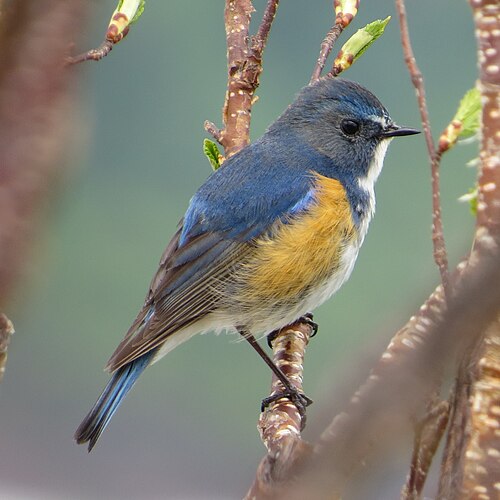
Red-flanked Bluetail
Tarsiger cyanurus- Boreal conifer forest
- Montane and coastal conifer forest
- Thickets and woodland edge
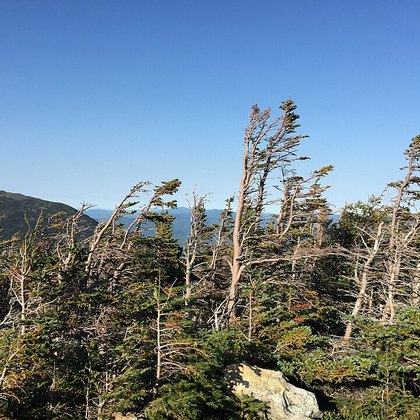 Krummholz and dwarf scrub
- Subtropical and tropical forest