All species › Waders, gulls and terns › Sandpipers and snipes › Great Snipe
Great Snipe | Gallinago media
Poelsnip | Agachadiza Real
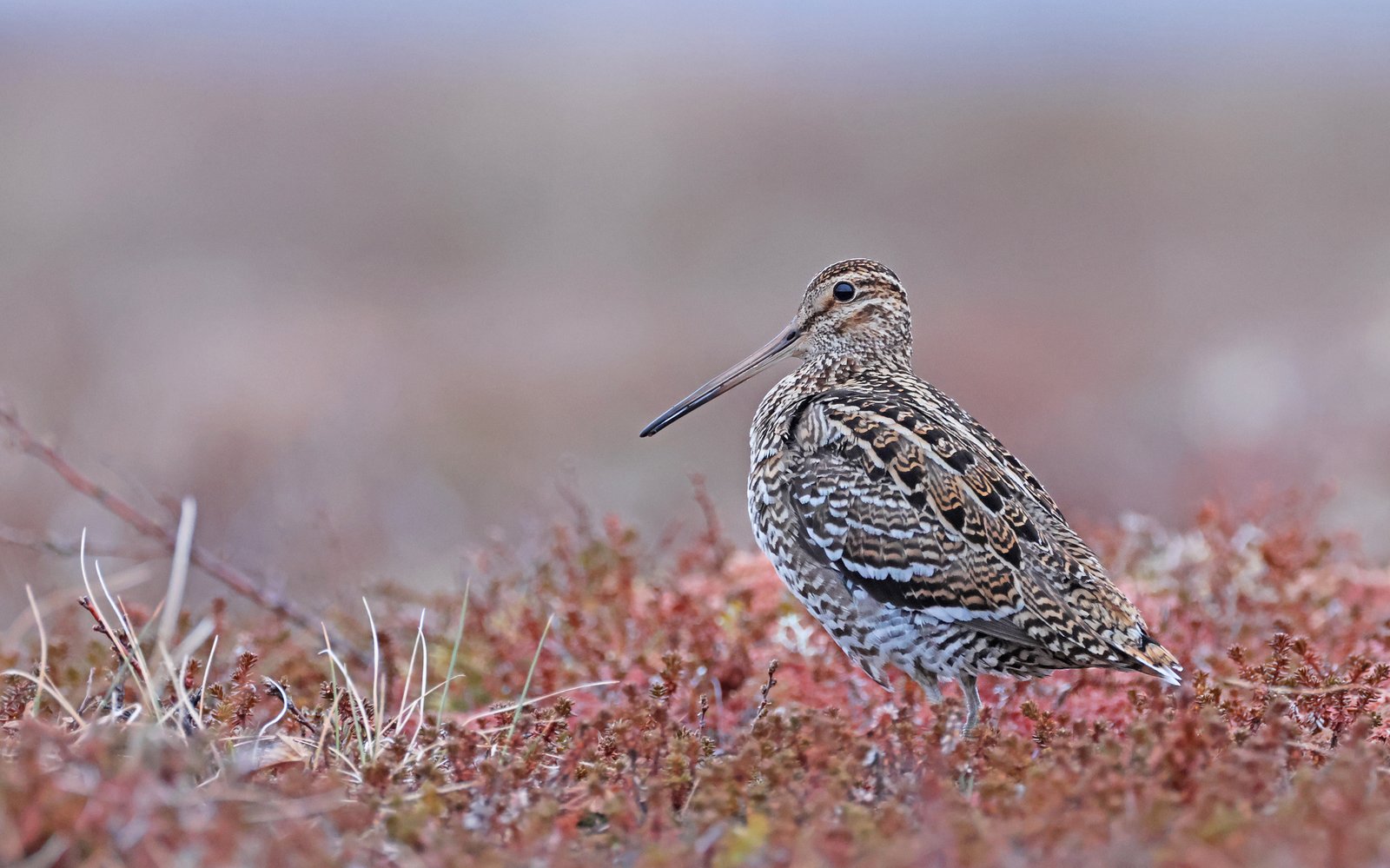
The Great Snipe is a heavy, short-billed snipe that breeds in Scandinavia, Poland and western Russia and winters south of the equator. It hides in grassy vleis and grassland and is usually seen only when it rises from almost underfoot, silently and in a straight, slow flight.
Voice
Almost always silent when flushed; at most a soft, low etch or a dry croak. On the breeding grounds males display at night with soft bubbling, clicking and whirring, but this is not heard in Africa.
Recording: János Schadl — CC BY-NC-SA 4.0 · converted to mono · xeno-canto
Identification
27–29 cm. A stocky, full-chested snipe with a relatively short bill. Dark above with pale mantle stripes, densely barred below right down to the belly, lacking the white, unmarked belly of the other snipes. The best feature is the wing coverts: the greater and median coverts have broad white tips that form rows of white spots on the perched bird and two or three narrow white wingbars in flight, framing a dark wing panel. The outer tail feathers show much white, obvious on take-off and landing. The flight is slow, straight and low, with the bill angled down, and often ends after a short distance.
Confusion species
African Snipe Gallinago nigripennis has a longer bill and a white belly, lacks white wingbars, and flushes zigzagging and calling. Common Snipe Gallinago gallinago is slimmer, with a white belly, a white trailing edge to the wing instead of white covert tips, and a sharp call on take-off. Greater Painted-Snipe Rostratula benghalensis has a white eye-ring and broad, rounded wings with golden spots.
Habitat
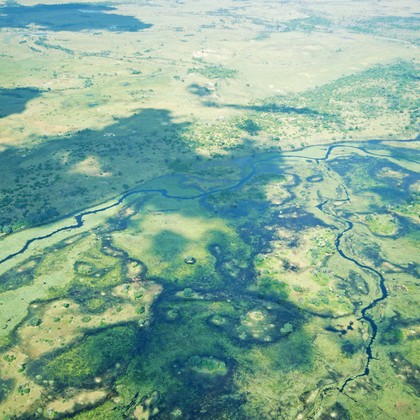
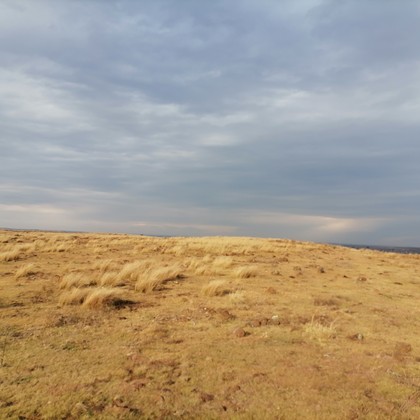
Grassy margins of vleis and marshes, moist grassland, damp hollows and wet pasture, often on slightly drier ground than the other snipes. Sometimes also at the edges of rice fields and in freshly burnt grassland with pools.
Where the bird is most at home, classified by the vegetation units of southern Africa.
Range and movements
Mainly in the north and east of the region: Zambia, Malawi, Zimbabwe, northern Botswana, the Caprivi Strip in Namibia, Angola and inland Mozambique; scarce and irregular in north-eastern South Africa (Limpopo, Mpumalanga, KwaZulu-Natal), rare further south. The main wintering range lies in central and eastern Africa, from Congo to Tanzania and Kenya. It breeds from Norway and eastern Poland to western Siberia.
- Summer visitor (c. Oct–Mar)
- Passage (Mar–Apr, Oct–Nov)
- dark = core range, pale = thinly spread
How and when to look
In the southern summer walk slowly through rank, damp grassland at the edge of a vlei. A snipe that rises silently, straight and low and drops again, with a flash of white in the tail and white wingbars, is a Great Snipe. On take-off watch the belly above all: densely barred with no white patch.
Conservation status
Near Threatened. The breeding population has declined sharply through drainage and intensification of hay meadows in eastern Europe, and the African wintering grounds are also deteriorating through drainage, overgrazing and conversion of vleis to farmland. In southern Africa it is little studied and probably under-recorded.
Scientific name
Gallinago media | (Latham, 1787)
Latham described the species in 1787 as Scolopax Media; because it was later moved to another genus, the author and year stand in brackets. The genus Gallinago was introduced in 1760 by Brisson. Gallinago is New Latin for a snipe, from Latin gallina 'hen' and the suffix -ago 'resembling'. media is Latin for 'intermediate': the bird is midway in size between the woodcock and the common snipe. The specimen the first description was based on came from England.