All species › Cranes, rails and allies › Rails, gallinules and coots › Purple Gallinule
Position in the tree Birds Aves › Birds with a flexible palate Neognathae › All other modern birds Neoaves › Birds of the elements Elementaves › Cranes and waders Gruimorphae
Purple Gallinule | Porphyrio martinica
Amerikaans purperhoen | Gallineta morada
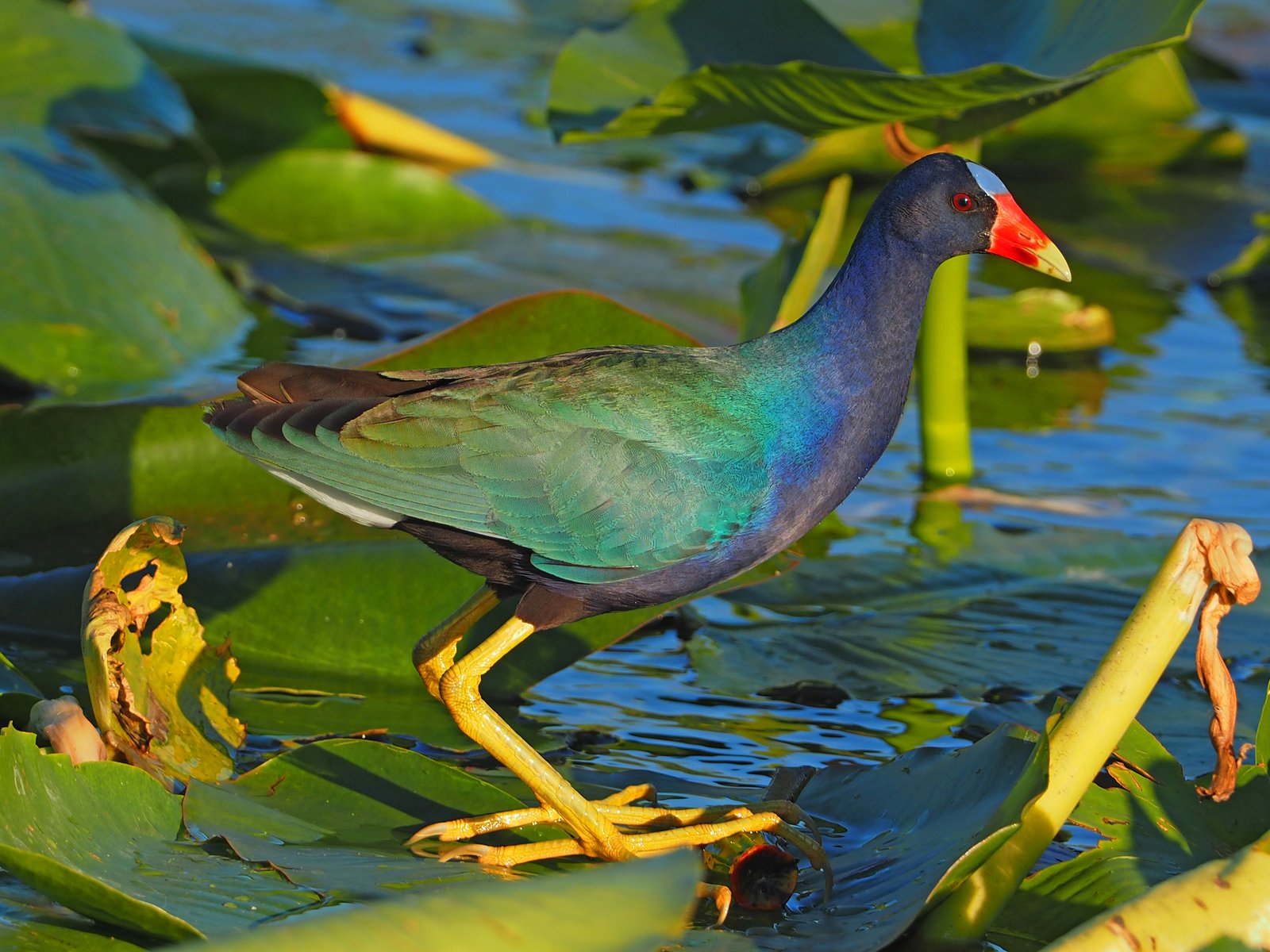
Purple Gallinule is a colourful rail with a purple-blue head and underparts, a green back, a pale blue frontal shield and a red, yellow-tipped bill. With its long yellow toes it walks over floating plants and clambers in bushes and reeds. In the guide area it is a common bird of marshes and lakes in the lowlands from Mexico to Panama.
Voice
Cackling, clucking and hiccuping sounds, including a high, harsh keek or kek-kek-kek and series reminiscent of a cackling hen. Also nasal, grunting calls. Sounds higher and sharper than Common Gallinule.
Recording: Juan Freile — CC BY-NC-SA 4.0 · converted to mono · xeno-canto
Identification
33–37 cm. Head, neck and underparts are deep purple-blue; back and wings olive-green to bronze-green, with a turquoise sheen on the wing. The frontal shield is pale blue to whitish blue, the bill red with a yellow tip. The undertail coverts are entirely white, without a black centre, and show well when the tail is flicked. The legs are bright yellow, with very long toes. Young birds are buff to ochre, with a greenish back, a pale belly and a dull bill, and gradually acquire blue feathers. Flies with dangling yellow legs.
Confusion species
Common Gallinule Gallinula galeata is slate-grey with a red frontal shield, a white flank line and undertail coverts with a black centre; young Common Gallinules are greyer than young Purple Gallinules and have a white flank line. American Coot Fulica americana is uniformly slate-grey with a white bill. Northern Jacana Jacana spinosa, which also walks over floating plants, has a chestnut body, a yellow frontal shield and yellow-green flight feathers in flight.
Habitat
Freshwater marshes with floating plants such as water lilies and water hyacinth, lakes, lagoons and slow rivers with dense waterside vegetation, flooded grassland, rice fields and swamp forest. Mainly in the lowlands, locally to about 1500 m. Eats seeds, fruit, leaves and flowers of aquatic plants, supplemented by insects, snails, frogs and sometimes eggs and young of other birds. The nest is a cup of plant material in dense vegetation above the water; young from earlier broods help with the care.
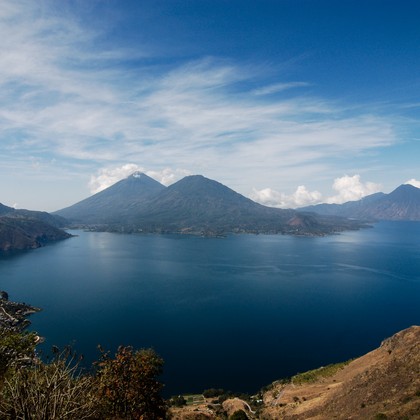
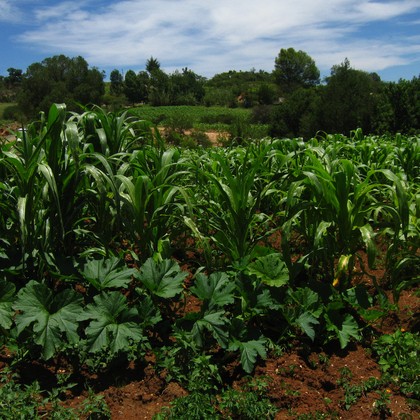
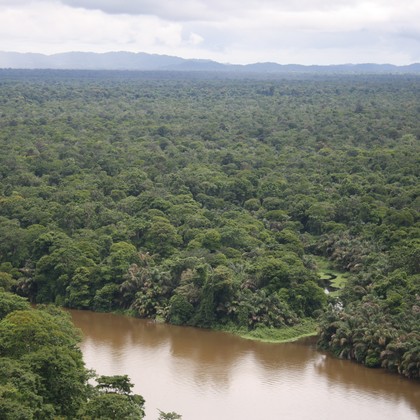
Where the bird is most at home, classified by the vegetation units of Mexico and Central America.

Range and movements
In the lowlands of both coasts from Mexico to Panama: on the Gulf coast from Tamaulipas to the Yucatán Peninsula and on the Pacific coast from Sinaloa southwards, and throughout Central America. Common in the marshes of Veracruz and Tabasco, in Nayarit and in Costa Rica and Panama. In the north of its range partly present only in summer; during migration birds sometimes turn up far outside the normal range. Outside the guide area from the south-eastern United States through the Caribbean to northern Argentina.
- Resident
- Summer visitor (c. Apr–Sep)
- Winter visitor (c. Oct–Mar)
- Passage (Mar–Apr, Oct–Nov)
- dark = core range, pale = thinly spread
How and when to look
Shows well on lakes and marshes with floating vegetation, for example at Palo Verde and Caño Negro in Costa Rica, along Gatún Lake and the Panama Canal in Panama, and in the Pantanos de Centla in Tabasco. Often climbs high into bushes over the water, where the colours show well in the morning sun.
Conservation status
Not threatened. The species is widespread and common, although habitat is lost locally through the drainage of marshes. In rice fields it is sometimes regarded as a pest.
Scientific name
Porphyrio martinica | (Linnaeus, 1766)
Linnaeus described the species in 1766 as Fulica martinica; because it was later moved to another genus, the author and year stand in brackets. The genus Porphyrio was introduced in 1760 by Brisson. Porphyrio is Latin, from the Greek porphuriōn, the classical authors' name for the swamphen, from porphura 'purple'. martinica refers to Martinique in the West Indies, where the first specimen came from. The specimen the first description was based on came from Martinique.