All species › Passerines › Shrike-babblers, Erpornis and vireos › Grey Vireo
Position in the tree Birds Aves › Birds with a flexible palate Neognathae › All other modern birds Neoaves › Landbirds Telluraves › Falcons, parrots and passerines Australaves › Falcons and passerines Eufalconimorphae › Parrots and passerines Psittacopasserae
Grey Vireo | Vireo vicinior
Grijze vireo | Vireo gris
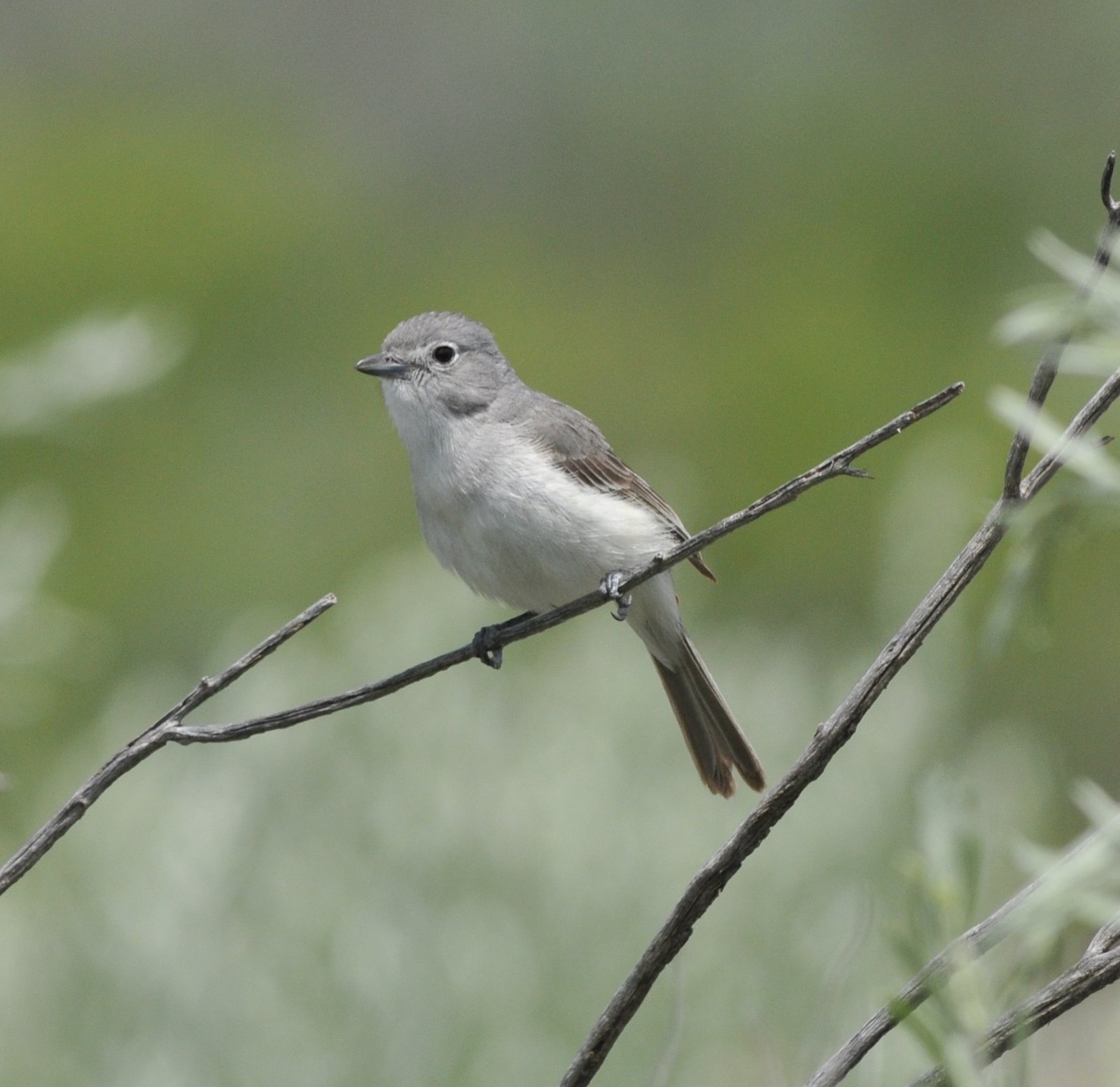
The Grey Vireo is a plain grey vireo of dry scrub and open montane woodland in northern Mexico. It often swings its long tail from side to side, somewhat like a gnatcatcher. In winter it moves to desert scrub in north-western Mexico.
Voice
The song is a series of short, somewhat hoarse, chirping phrases given in quick succession. The call is a dry, harsh chatter.
Recording: Matt Wistrand — CC BY-NC-SA 4.0 · shortened to the first 60 s, mono · xeno-canto
Identification
13–14 cm. Upperparts plain grey, underparts greyish white. Narrow white eye-ring and pale lores, no obvious spectacles. One faint, pale wing bar. Tail fairly long. Bill fairly thick and dark.
Confusion species
Plumbeous Vireo Vireo plumbeus is slightly larger, with bold white spectacles and two white wing bars. Bell's Vireo Vireo bellii is smaller, with two wing bars and often a greenish or yellowish wash on the back and flanks. Blue-grey Gnatcatcher Polioptila caerulea is slimmer, with a thin bill and a black-and-white tail.
Habitat
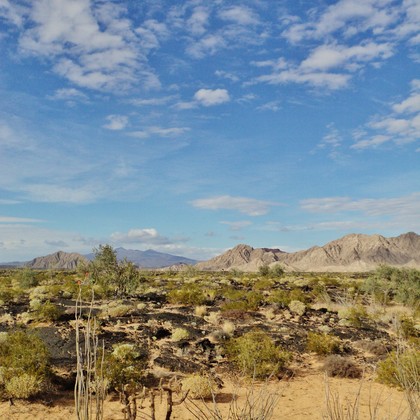
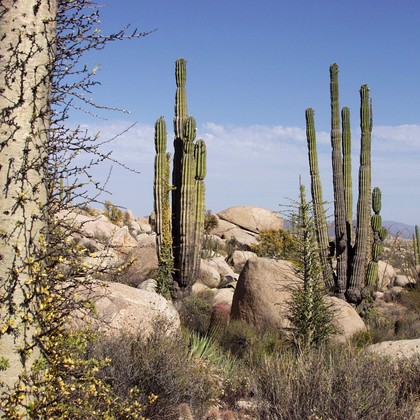
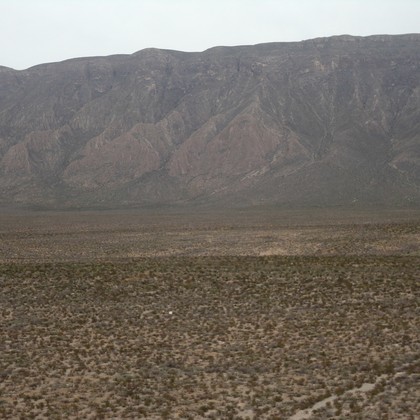
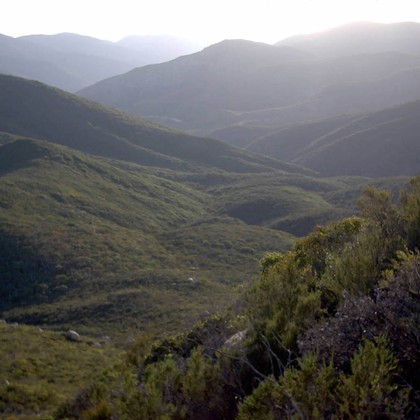
Dry scrub on slopes, chaparral, juniper and pinyon woodland and open oak scrub, in the breeding season mainly in hills and low mountains. In winter in desert scrub, where besides insects it eats much fruit, especially of elephant trees (Bursera). It nests low in a shrub.
Where the bird is most at home, classified by the vegetation units of Mexico and Central America.


Range and movements
Breeds in the south-western United States and northern Mexico, including northern Baja California, Sonora, Chihuahua and Coahuila. Winters mainly in Sonora and southern Baja California. Outside the guide area it breeds in the south-western United States and winters locally in western Texas.
- Resident
- Summer visitor (c. Apr–Sep)
- Winter visitor (c. Oct–Mar)
- dark = core range, pale = thinly spread
How and when to look
In winter, search near fruiting elephant trees in the desert scrub of Sonora. The tail movements help with identification.
Conservation status
Not threatened. Local and fairly scarce; the breeding range is fragmented.
Scientific name
Vireo vicinior | Coues, 1866
Coues described the species in 1866 and placed it straight away in the genus where it still stands. The genus Vireo was introduced in 1808 by Vieillot. Vireo was used by Latin authors for a small, green, migratory bird, probably the Eurasian golden oriole, though the European greenfinch has also been suggested. vicinior is Latin for 'nearer', the comparative of vicinus 'neighbouring'; why Coues chose the name is not recorded. The specimen the first description was based on came from Fort Whipple near Prescott, Arizona, United States.