All species › Passerines › Swallows › Bank Swallow
Position in the tree Birds Aves › Birds with a flexible palate Neognathae › All other modern birds Neoaves › Landbirds Telluraves › Falcons, parrots and passerines Australaves › Falcons and passerines Eufalconimorphae › Parrots and passerines Psittacopasserae
Bank Swallow | Riparia riparia
Oeverzwaluw | Avión zapador
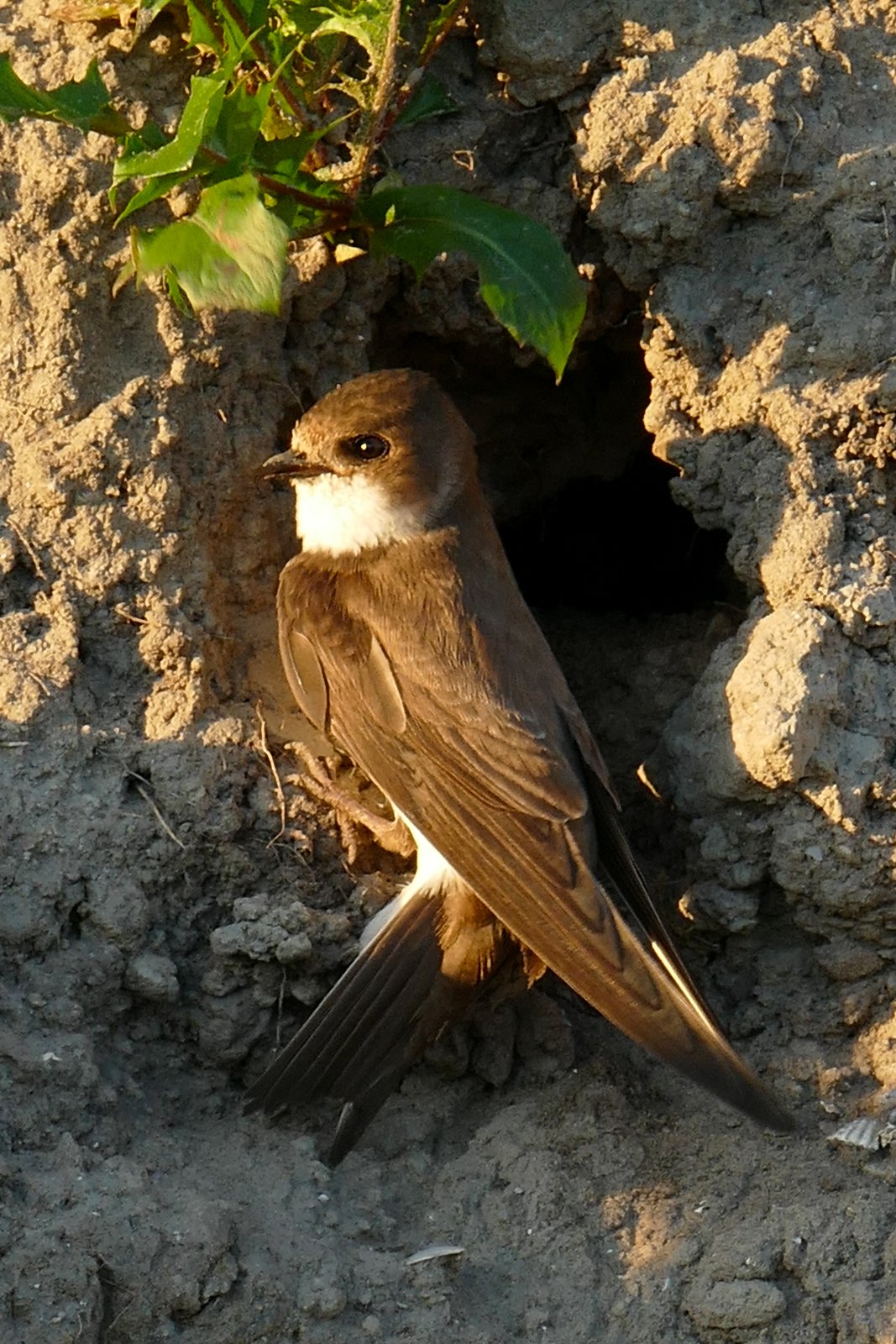
The Bank Swallow is the smallest swallow in the guide area: brown above, white below and with a distinct brown breast band. It nests in colonies in burrows it digs into steep sand and loam banks. The species breeds across much of North America and Eurasia; it passes through the guide area mainly on its way to and from its wintering grounds in South America.
Voice
A dry, rasping trrt or brrt, in flocks becoming a continuous twitter. The song is a series of such grating notes.
Recording: Esperanza Poveda — CC BY-NC-SA 4.0 · shortened to the first 60 s, mono · xeno-canto
Identification
12–13 cm. Upperparts plain greyish brown, underparts white with a sharply defined brown breast band that sometimes extends slightly down the centre. Throat white, the white curling up slightly behind the ear coverts. Tail short and slightly forked. Juveniles have pale fringes to the feathers of the upperparts. Flight fast and rather fluttery, with short, irregular wingbeats.
Confusion species
Northern Rough-winged Swallow Stelgidopteryx serripennis is larger and more uniformly brown, without a breast band and with a dull greyish-brown throat and breast. Southern Rough-winged Swallow Stelgidopteryx ruficollis has a cinnamon throat and a pale rump. Young Tree Swallows Tachycineta bicolor can show a faint grey breast band, but are larger and the band is less sharply defined.
Habitat
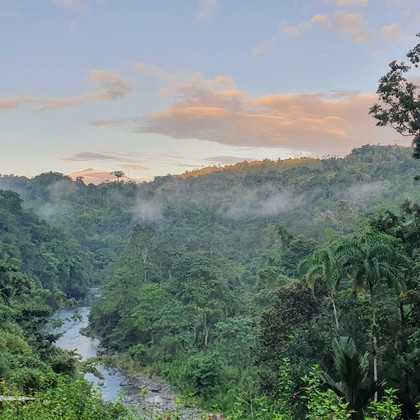
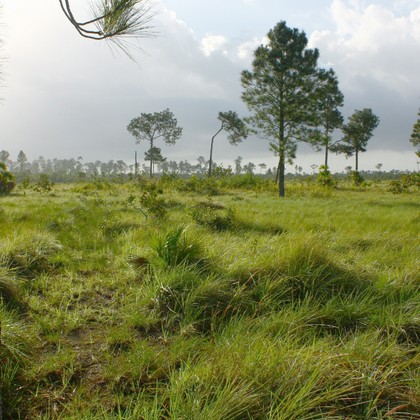
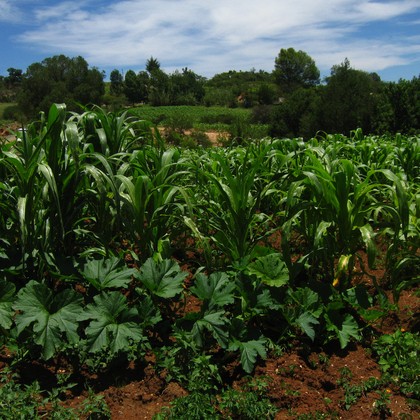
Open country near water: rivers, lakes, marshes, coastal lagoons, rice fields and farmland. On migration often in flocks with other swallows over water and open land. Hunts small flying insects in the air. Breeds in colonies in burrows in steep river banks, sand pits and road cuts.
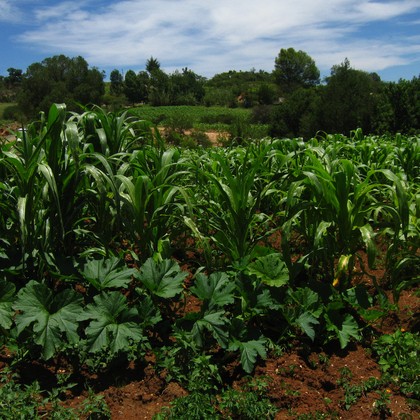
Where the bird is most at home, classified by the vegetation units of Mexico and Central America.



Range and movements
In the guide area mainly a passage migrant, throughout almost the whole region but most numerous along the coasts and in the lowlands. Breeds locally and in small numbers in northern Mexico. Outside the guide area the species breeds over much of North America, Europe and Asia; American birds winter mainly in South America.
- Passage (Mar–Apr, Oct–Nov)
- dark = core range, pale = thinly spread
How and when to look
Best seen in April and May and in autumn over lakes, rivers and coastal lagoons, where flocks of swallows hunt low over the water. The brown breast band and the small, brown upperparts are the best features.
Conservation status
Not threatened. The species has a very large range. In North America the breeding population has declined strongly over the long term, partly through the loss of natural, eroding river banks.
Scientific name
Riparia riparia | (Linnaeus, 1758)
Linnaeus described the species in 1758 as Hirundo riparia; because it was later moved to another genus, the author and year stand in brackets. The genus Riparia was introduced in 1817 by Forster. Riparia comes from Latin riparius 'of the riverbank', from ripa 'riverbank', after the nest burrows these martins dig in steep banks. The specific name repeats the genus name. The specimen the first description was based on came from Sweden.