All species › Passerines › Tyrant flycatchers › Venezuelan Flycatcher
Venezuelan Flycatcher | Myiarchus venezuelensis
Venezolaanse tiran | Copetón venezolano
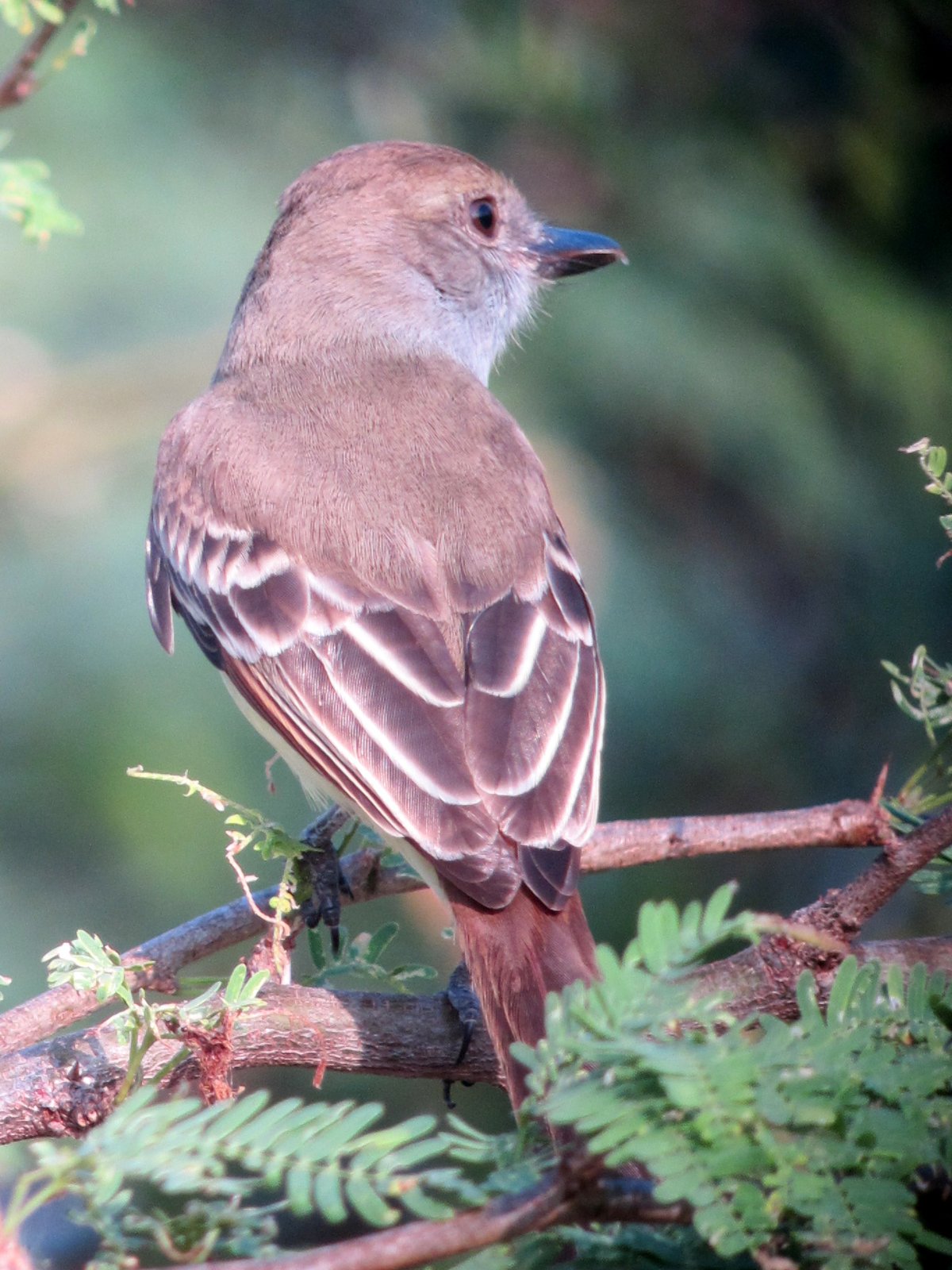
The Venezuelan Flycatcher is a medium-sized Myiarchus of northern Colombia and Venezuela that occurs in the Caribbean on Tobago. It closely resembles the mainland Short-crested and Panama Flycatchers and can hardly be told from related species in the field except by voice and range.
Voice
The dawn song is a repeated series of plaintive whistles. It also gives repeated hiccup calls, rasps and rasp-whistles. Voice is the main feature for separating it from related species.
Recording: Rosa Elena Albornoz @rosaelena_naturaleza — CC0 · shortened to the first 60 s, mono · xeno-canto
Identification
18–19 cm. The upperparts are dark olive-green to brownish, with a slight crest. Lores and cheeks are grey, throat and breast pale grey, the belly pale yellow. The wings are dark, with rufous edges to the primaries and paler edges to the coverts. The tail is dark with little if any rufous. Bill and legs are black. The sexes are alike.
Confusion species
Brown-crested Flycatcher Myiarchus tyrannulus, which also occurs on Tobago, is slightly larger and heavier-billed, has clearly rufous inner webs to the tail feathers and a yellower belly; its calls are sharper and raspier. Dusky-capped Flycatcher Myiarchus tuberculifer of Trinidad is smaller, with a dark cap. Tropical Kingbird Tyrannus melancholicus has no crest, a forked tail and a much yellower breast.
Habitat
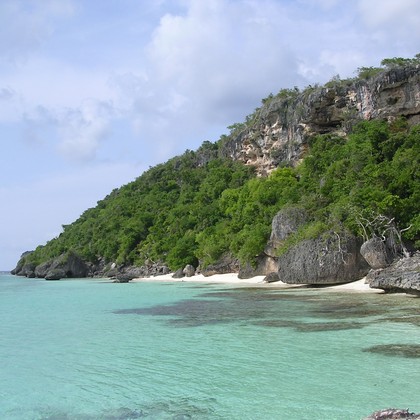
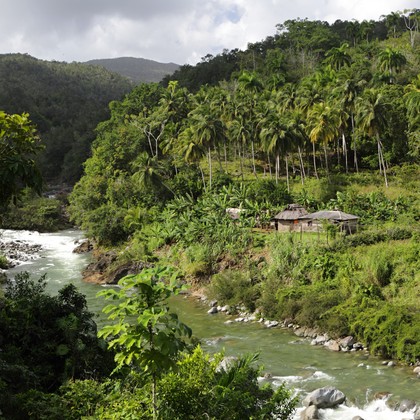
Dry and semi-deciduous woodland, forest edges, gallery forest and disturbed land such as plantations and gardens, from sea level to a few hundred metres. It hunts insects from a perch in the middle storey and also eats small fruit. Like other Myiarchus species it nests in tree cavities.
Where the bird is most at home, classified by the vegetation types of the Caribbean.



Range and movements
In the Caribbean on Tobago. Outside the region in northern Colombia and northern Venezuela, with isolated populations on Isla Margarita and in Bolívar state, among other places.
- Resident
- dark = core range, pale = thinly spread
How and when to look
Forest edges and the lower woodland of Tobago, particularly early in the morning when the birds are singing. With any Myiarchus on Tobago it is worth noting the voice and the amount of rufous in the tail, to separate this species from Brown-crested Flycatcher.
Conservation status
Not threatened. The species tolerates disturbed forest, plantations and gardens.
Scientific name
Myiarchus venezuelensis | Lawrence, 1865
Lawrence described the species in 1865 and placed it straight away in the genus where it still stands. The genus Myiarchus was introduced in 1844 by Cabanis. Myiarchus is Greek, from muia 'fly' and arkhos 'ruler': 'fly-ruler'. venezuelensis refers to Venezuela, origin of the type. The specimen the first description was based on came from Lake Valencia, Carabobo, Venezuela.