All species › Passerines › New World sparrows › Lincoln's Sparrow
Lincoln's Sparrow | Melospiza lincolnii
Lincolns gors | Chingolo de Lincoln
Lincoln's Sparrow is a small, finely streaked sparrow of wet thickets in the boreal and montane north and west of North America. It winters from the southern United States to Central America and reaches the Caribbean in small numbers. It lives hidden in dense vegetation and is often overlooked.
Voice
The call is a hard, dry tchup; in flight a soft, buzzy zeet. The song is a fast, bubbling series of chirps and trills, reminiscent of a wren; rarely heard in the region.
Recording: Don Profota — CC BY-NC-SA 4.0 · shortened to the first 60 s, mono · xeno-canto
Identification
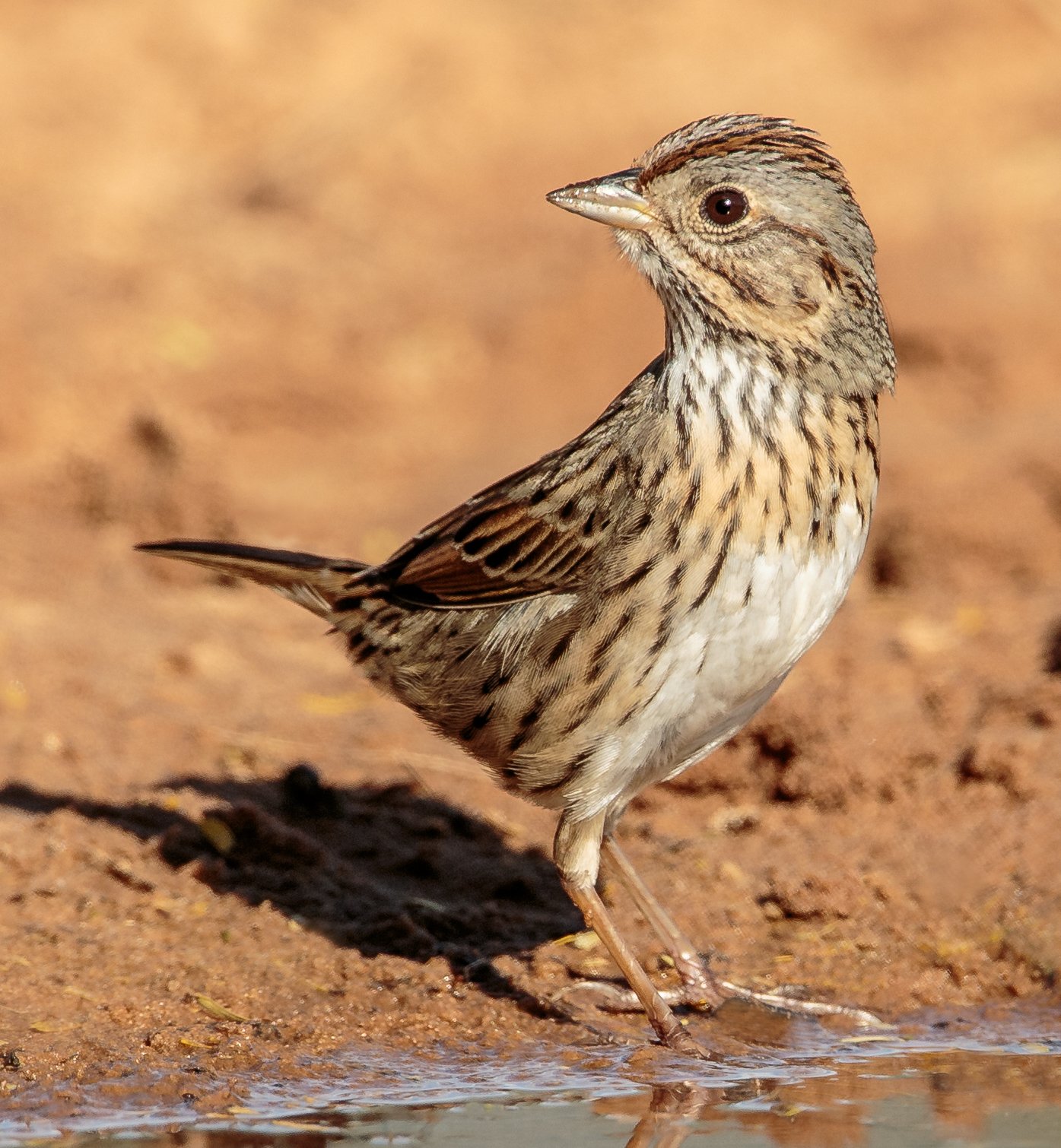
13–15 cm, slim, with a fairly small bill and a short, slightly rounded tail. The crown is streaked rufous-brown with a grey median stripe; face and supercilium are grey, with a narrow pale eye-ring and a brown eyestripe. A broad buff band across the breast, continuing into the malar and flanks, is marked with fine, crisp black streaks; throat and belly are white. The upperparts are olive-brown with black streaks. The sexes are alike. An alarmed bird often raises a small crest.
Confusion species
Savannah Sparrow Passerculus sandwichensis has a white, not buff, breast with coarser streaks, yellowish lores and a notched tail, and lives in open grassland. Grasshopper Sparrow Ammodramus savannarum has an unstreaked breast and a larger bill. A first-winter White-crowned Sparrow Zonotrichia leucophrys is larger, with an unstreaked grey breast and a pink bill.
Habitat
Dense, damp thickets and weedy growth, forest edges with undergrowth, the margins of marshes and reedbeds, overgrown fields and pastures, and gardens with dense shrubs. It forages on or near the ground for seeds and insects and stays in or close to cover; when disturbed it dives into the vegetation.
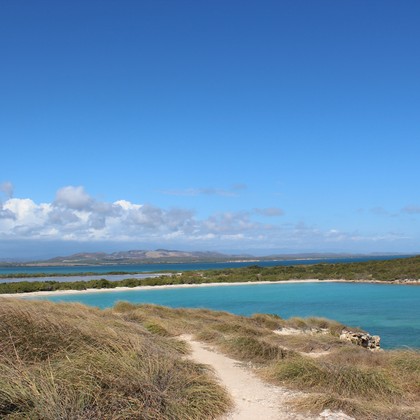
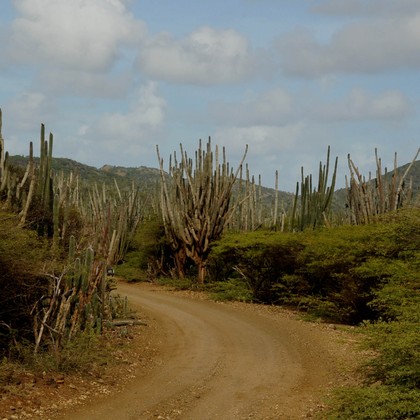
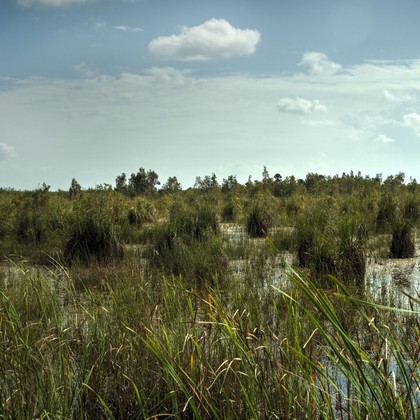
Where the bird is most at home, classified by the vegetation types of the Caribbean.


Range and movements
Rare winter visitor and passage migrant in Cuba, the Bahamas and Puerto Rico; reported in smaller numbers from Jamaica, Hispaniola (Haiti and the Dominican Republic), the Cayman Islands and San Andrés. Breeds in Alaska and boreal Canada, in the Rocky Mountains and the mountains of the western United States, and in the north-eastern United States; winters from the southern United States to Honduras and El Salvador.
- Resident
- Winter visitor (c. Apr–Sep)
- Passage (Mar–Apr, Oct–Nov)
- dark = core range, pale = thinly spread
How and when to look
Most likely from November to March in rough, damp edges of fields, thickets and gardens in Cuba, the Bahamas and Puerto Rico. The hard tchup from dense cover is often the first sign; with patience the bird appears at the edge of cover, where the buff, finely streaked breast band can be seen.
Conservation status
Not threatened. The population is large and appears stable; because of its secretive habits, counts are incomplete. In the Caribbean it is rare but probably under-recorded.
Scientific name
Melospiza lincolnii | (Audubon, 1834)
Audubon described the species in 1834 as Fringilla Lincolnii; because it was later moved to another genus, the author and year stand in brackets. The genus Melospiza was introduced in 1858 by Baird. Melospiza is Greek, from melos 'song' and spiza 'finch'. lincolnii honours Thomas Lincoln (1812–1883), who accompanied Audubon to Labrador in 1833 and collected the first specimen there. The specimen the first description was based on came from mouth of the Natashquan River, Quebec (Canada).