All species › Waders, gulls and terns › Sandpipers and snipes › Least Sandpiper
Least Sandpiper | Calidris minutilla
Kleinste strandloper | Correlimos menudillo
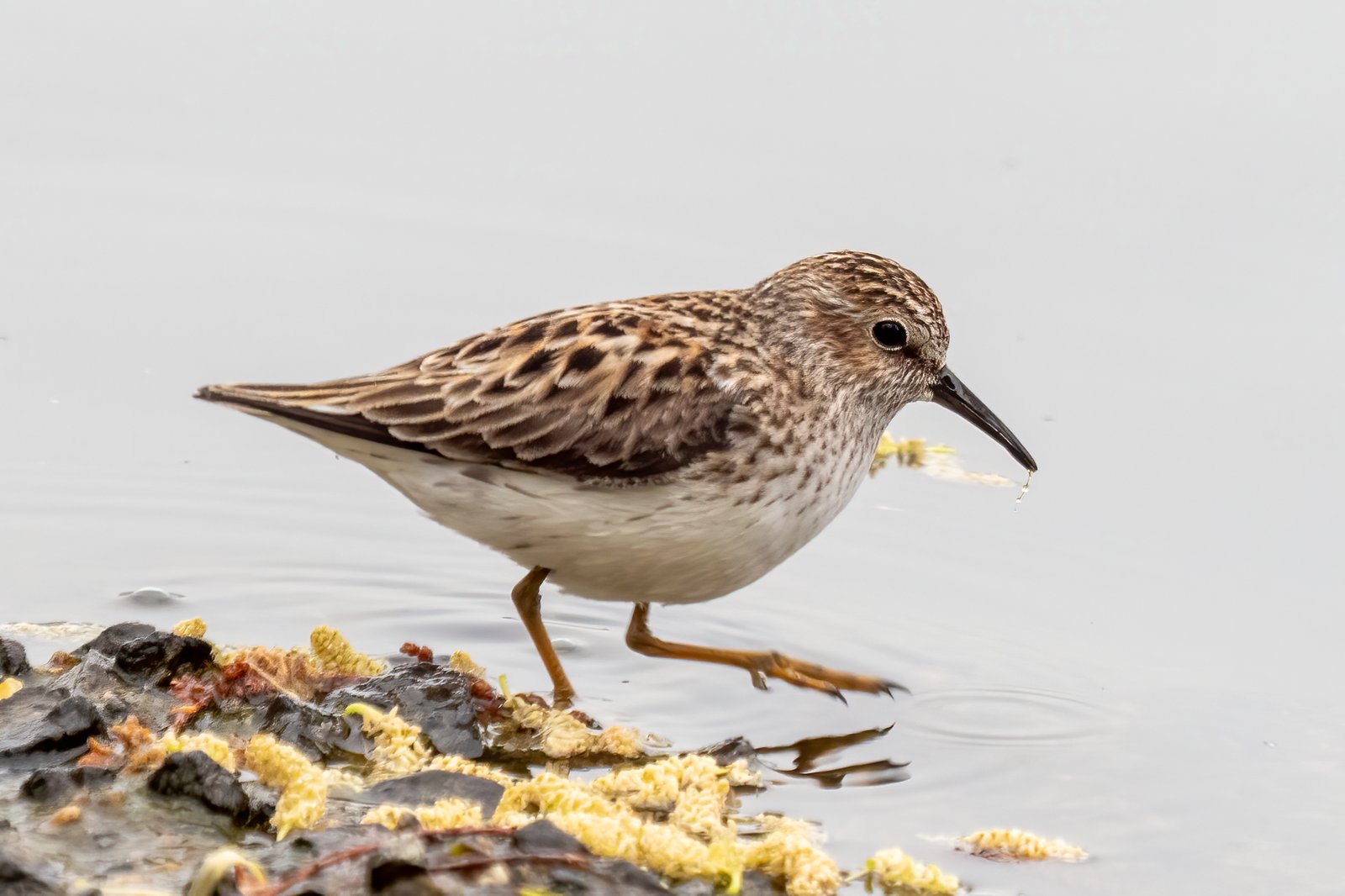
The Least Sandpiper is the smallest shorebird in the world and in winter the commonest small sandpiper in the Caribbean. It is less tied to open mud than Semipalmated Sandpiper and often feeds along vegetated banks, in mangroves and at the edges of freshwater ponds.
Voice
A high, rolling, rising krreet or prreeet, often given on take-off.
Recording: Jeff Stewart — CC BY-NC-SA 4.0 · converted to mono · xeno-canto
Identification
13–15 cm, small and compact, with a hunched posture. The bill is short, fine, pointed and slightly drooping at the tip; the legs are yellow to greenish, but may look dark when muddy. Browner than the other small sandpipers, with a brown, finely streaked breast band. In winter plumage grey-brown above with dark feather centres; juveniles are warm rufous-brown, with white fringes forming a V on the back. In flight a narrow wing bar and a dark centre to rump and tail.
Confusion species
Semipalmated Sandpiper Calidris pusilla and Western Sandpiper Calidris mauri are greyer, with black legs, and stand more upright. Pectoral Sandpiper Calidris melanotos shares the pattern of yellow legs and streaked breast, but is much larger. Baird's Sandpiper Calidris bairdii is larger and longer-winged, with black legs.
Habitat
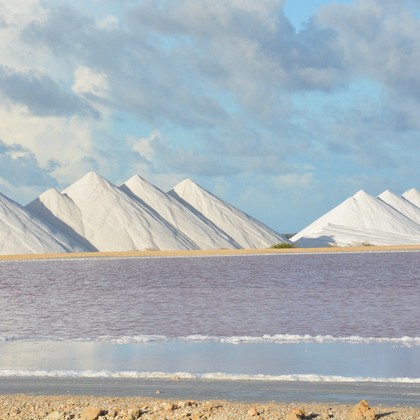
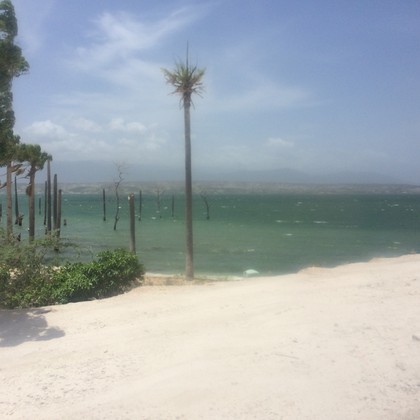
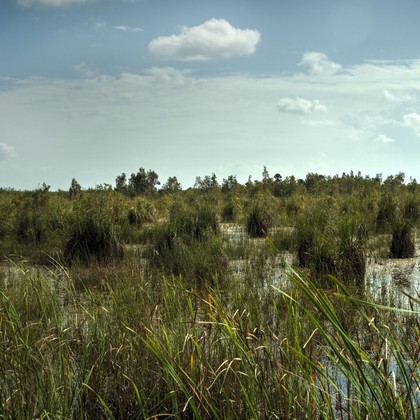
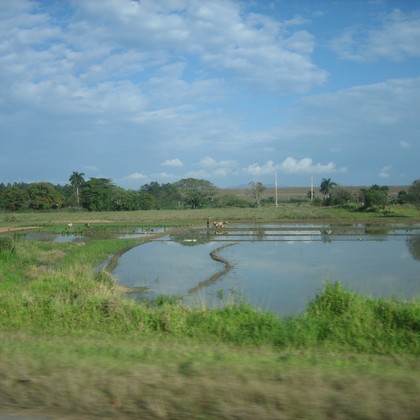
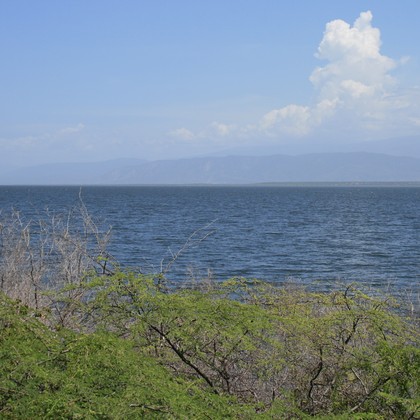
Muddy margins of salt pans, lagoons and ponds, also freshwater marshes, inland brackish lakes, sewage ponds, rice fields and the muddy edges of mangroves. It likes to feed among low vegetation, roots and algae, and is less wary than many other sandpipers.
Where the bird is most at home, classified by the vegetation types of the Caribbean.


Range and movements
Winter visitor and passage migrant on almost all islands: the Bahamas, the Turks and Caicos Islands, Cuba, the Cayman Islands, Jamaica, Hispaniola (Haiti and the Dominican Republic), Puerto Rico, the Virgin Islands, the Lesser Antilles, the ABC Islands, San Andrés and Trinidad and Tobago. Most numerous in the Greater Antilles, the Bahamas and the Cayman Islands. Beyond the region it breeds on the tundra and in the boreal zone of Alaska and Canada and winters from the southern United States to northern South America.
- Resident
- Summer visitor (c. Oct–Mar)
- Winter visitor (c. Apr–Sep)
- Passage (Mar–Apr, Oct–Nov)
- dark = core range, pale = thinly spread
How and when to look
Almost any muddy pond edge or salt pan holds Least Sandpipers in winter, including small pools at hotels and golf courses. Leg colour is the quickest feature, but only on clean legs; otherwise the brown colour and hunched posture help.
Conservation status
Near Threatened. Long-term counts in North America point to a decline. In the Caribbean, stopover sites are lost through the filling of salt pans and the clearing of mangroves; on Barbados and in the French Antilles shorebirds were traditionally hunted.
Scientific name
Calidris minutilla | (Vieillot, 1819)
Vieillot described the species in 1819 as Tringa minutilla; because it was later moved to another genus, the author and year stand in brackets. The genus Calidris was introduced in 1804 by Merrem. Calidris goes back to Ancient Greek kalidris or skalidris, a name Aristotle used for an unidentified grey waterside bird. minutilla is Medieval Latin for 'very small'. The specimen the first description was based on came from Halifax, Nova Scotia.