All species › Birds of prey › Hawks, eagles and kites › Common Black Hawk
Common Black Hawk | Buteogallus anthracinus
Zwarte buizerd | Gavilán cangrejero
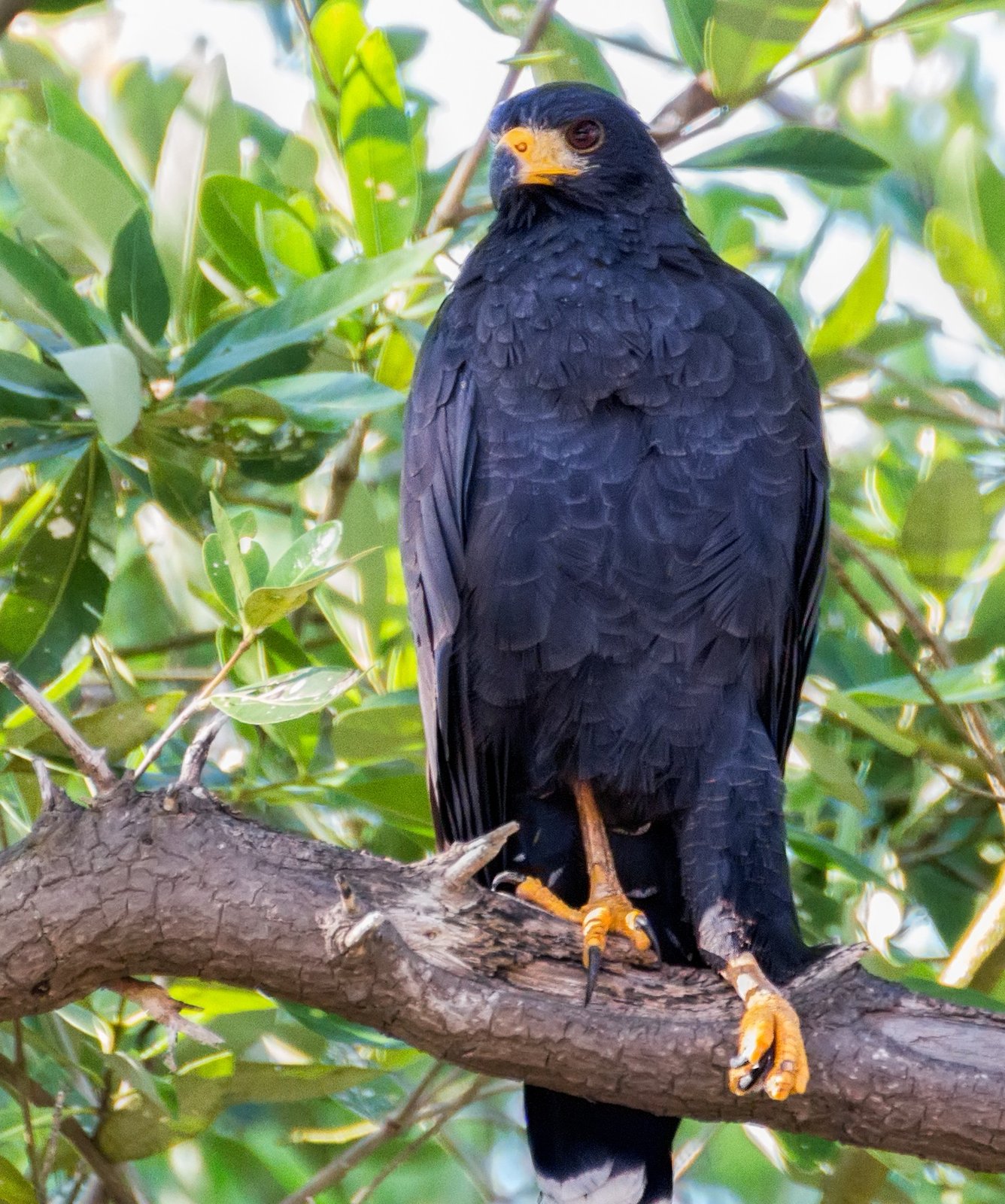
The Common Black Hawk is a stocky, broad-winged raptor of coasts, mangroves and rivers that feeds mainly on crabs. Within the region it breeds in Trinidad and on Saint Vincent. The Cuban birds were formerly included in this species, but are now treated as a separate species, Cuban Black Hawk Buteogallus gundlachii.
Voice
A series of high, piping notes that rise and fall in strength, spink-speenk-speenk-spink-spink, often given in flight over the territory.
Recording: Gean Carlo Valdés — CC0 · converted to mono · xeno-canto
Identification
43–53 cm, with very broad wings and a short tail. Adults are sooty black to slate grey. The bill is black, the cere, lores and legs yellow. The tail is black with a single broad white band across the middle and a narrow white tip. In flight a small whitish patch at the base of the outer primaries shows from below. Juveniles are dark brown above with pale spotting and buff to white below with heavy dark streaks; they have a pale supercilium, a dark moustachial stripe and a tail with five to eight narrow dark bands.
Confusion species
Great Black Hawk Buteogallus urubitinga is larger, with longer legs and a longer tail; adults have a white tail base and a broad black terminal band, and no pale patch on the primaries. Zone-tailed Hawk Buteo albonotatus is slimmer, with narrower, two-toned underwings and several tail bands, and flies with wings raised in a V like a Turkey Vulture. On Saint Vincent juveniles may be confused with Broad-winged Hawk Buteo platypterus, which is smaller and more compact.
Habitat
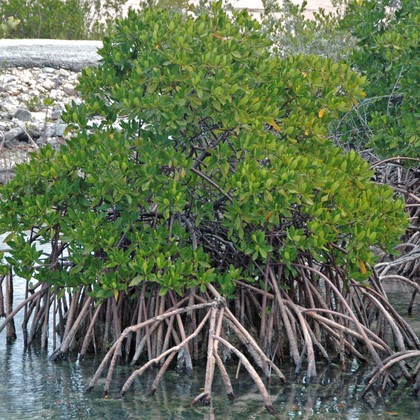
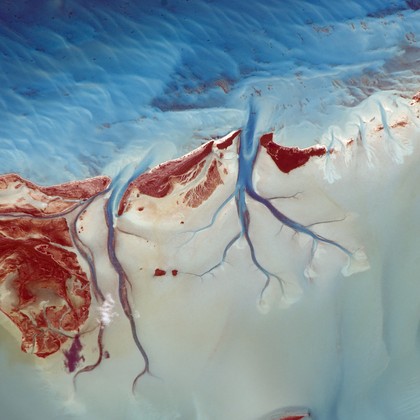
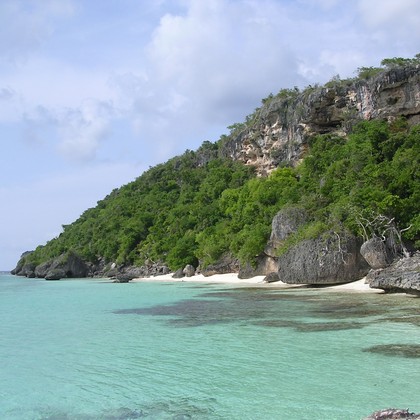
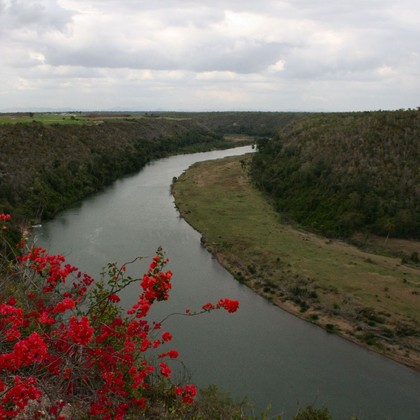
Mangroves, estuaries, mudflats, coastal woodland and the wooded banks of rivers and streams; on Saint Vincent also wooded valleys inland. It hunts from a low perch or on foot on mud and banks for crabs, especially land crabs, and also takes fish, frogs, lizards, snakes, small mammals, insects and carrion. It builds a large stick nest in a tree, often in mangroves or near water.
Where the bird is most at home, classified by the vegetation types of the Caribbean.

Range and movements
In Trinidad along the coasts, in mangroves and along rivers, commonest in the west and south; rare on Tobago. On Saint Vincent a resident along the coast and in wooded valleys. A rare vagrant to Saint Lucia and Grenada. Reports from Cuba refer to Cuban Black Hawk. Outside the region from the south-western United States through Mexico and Central America to north-western South America.
- Resident
- dark = core range, pale = thinly spread
How and when to look
Caroni Swamp and other mangrove areas in Trinidad, where birds search for crabs from branches above the waterline or on the mud. Overhead, the piping call gives a bird away long before it is seen. In separating it from Great Black Hawk the tail is decisive: one white band across the middle versus a white base with a black terminal band.
Conservation status
Not threatened. Mangrove clearance, coastal development and disturbance of river banks reduce habitat locally. The population on Saint Vincent is small.
Scientific name
Buteogallus anthracinus | (Deppe, 1830)
Deppe described the species in 1830 as Falco anthracinus; because it was later moved to another genus, the author and year stand in brackets. The genus Buteogallus was introduced in 1830 by Lesson. Buteogallus is Latin, from buteo 'buzzard' and gallus 'cock, fowl'; the reason for the second part is unclear. anthracinus is Latin for 'coal-black', from Greek anthrax 'coal', after the black plumage. The specimen the first description was based on came from Veracruz, Mexico.