All species › Nightjars › Nightjars › Chuck-will's-widow
Chuck-will's-widow | Antrostomus carolinensis
Carolinanachtzwaluw | Guabairo americano
Chuck-will's-widow is the largest nightjar in North America and winters largely in the Caribbean. For a long time it was regarded there only as a winter visitor, but it also breeds on Grand Bahama, Great Abaco and North Andros, with an estimated 500 to 1,000 pairs. In winter it is silent and seldom detected.
Voice
The song is a rhythmic, repeated chuck-will's-WID-ow, with a short first note often audible only at close range. It is given on the breeding grounds, including the Bahamas, from March to July; in winter the species is nearly silent, giving at most a low quck.
Recording: steve — CC BY-SA 4.0 · converted to mono · xeno-canto
Identification
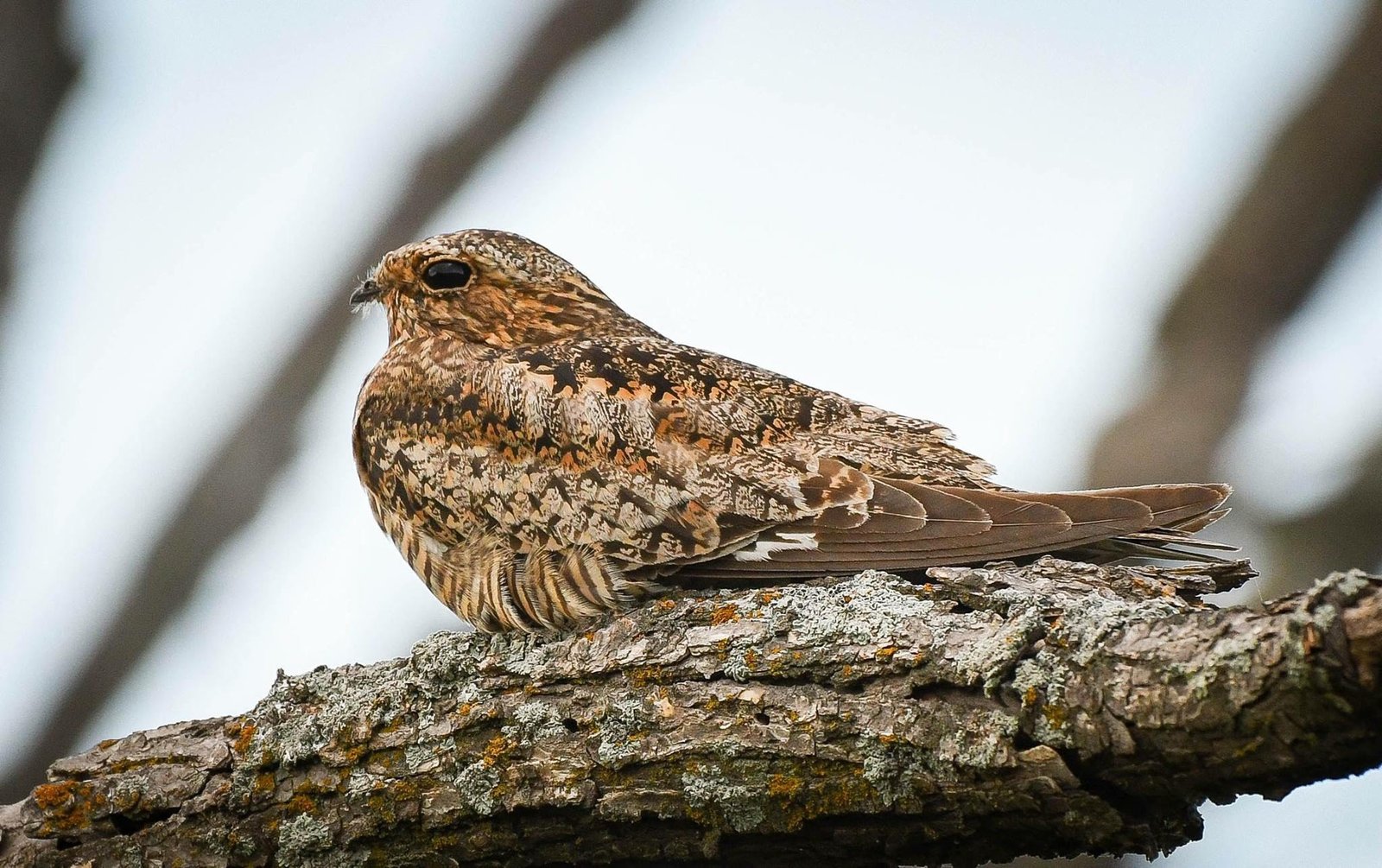
28–33 cm, large and heavy, with a big, flat head and a wide gape with long bristles. Plumage warm rufous-brown, finely marbled and spotted with black and buff. The throat is buff with a narrow pale band below; the breast is dark-spotted. The male has white inner webs to the outer tail feathers, visible mainly as it flushes. The female has buff tips instead. The wings lack a white band.
Confusion species
Cuban Nightjar Antrostomus cubanensis, Hispaniolan Nightjar Antrostomus ekmani and Puerto Rican Nightjar Antrostomus noctitherus are smaller and darker grey-brown, less rufous, with their own songs; each is confined to one island. Northern Potoo Nyctibius jamaicensis is larger, long-tailed, and perches upright on a post or branch. Antillean Nighthawk Chordeiles gundlachii has pointed wings with a white bar and is absent in winter.
Habitat
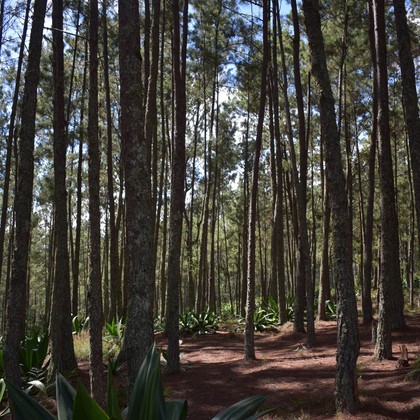
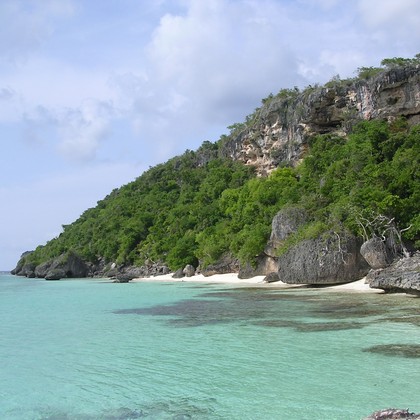
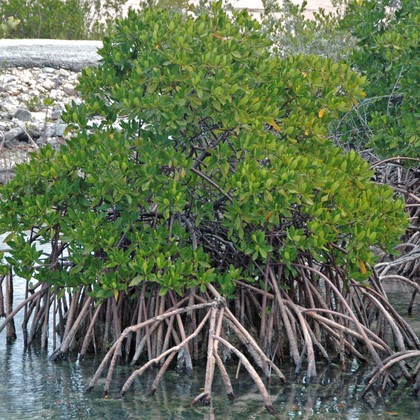
In winter dry and semi-evergreen forest, limestone forest, coastal woodland, mangrove edges, scrub and large wooded gardens. In the northern Bahamas it breeds in Caribbean pine forest with understorey and in broadleaf coppice. It hunts large insects at dusk and at night, occasionally also small birds or bats. By day it roosts on the ground or lengthwise on a branch.
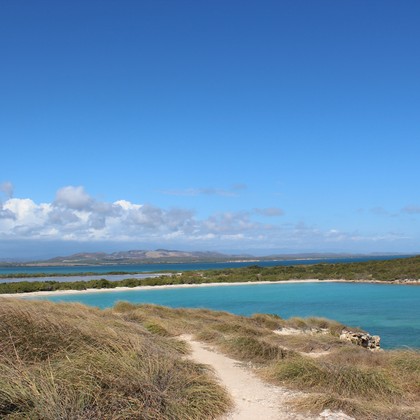
Where the bird is most at home, classified by the vegetation types of the Caribbean.



Range and movements
Winter visitor to the Bahamas, the Turks and Caicos Islands, Cuba, the Cayman Islands, Jamaica, Hispaniola (Haiti and the Dominican Republic) and Puerto Rico; rare in the Virgin Islands. Breeds on Grand Bahama, Great Abaco and North Andros. Vagrant to a few islands in the Lesser Antilles and the ABC Islands. Outside the region it breeds in the south-eastern and central United States and also winters in Central America and north-western South America.
- Resident
- Summer visitor (c. Oct–Mar)
- Winter visitor (c. Apr–Sep)
- Passage (Mar–Apr, Oct–Nov)
- dark = core range, pale = thinly spread
How and when to look
In winter birds are usually found by chance: flushed from the ground in woodland, or at night in a torch beam on roads. In the northern Bahamas the species can be identified by song at dusk from March to July, especially in pine forest.
Conservation status
Near Threatened. The breeding population in the United States has declined steeply in recent decades, partly through forest loss and a decrease in large night-flying insects. The Bahamian breeders depend on pine forest, which is under pressure from fire and logging.
Scientific name
Antrostomus carolinensis | (Gmelin, 1789)
Gmelin described the species in 1789 as Caprimulgus carolinensis; because it was later moved to another genus, the author and year stand in brackets. The genus Antrostomus was introduced in 1838 by Bonaparte. Antrostomus is Greek, from antron 'cave' and stoma 'mouth': 'cave-mouth', after the enormous gape. carolinensis means 'from Carolina', after the American colony where Catesby described the bird. The specimen the first description was based on came from South Carolina.