All species › New World vultures › New World vultures › Black Vulture
Black Vulture | Coragyps atratus
Zwarte gier | Zopilote negro
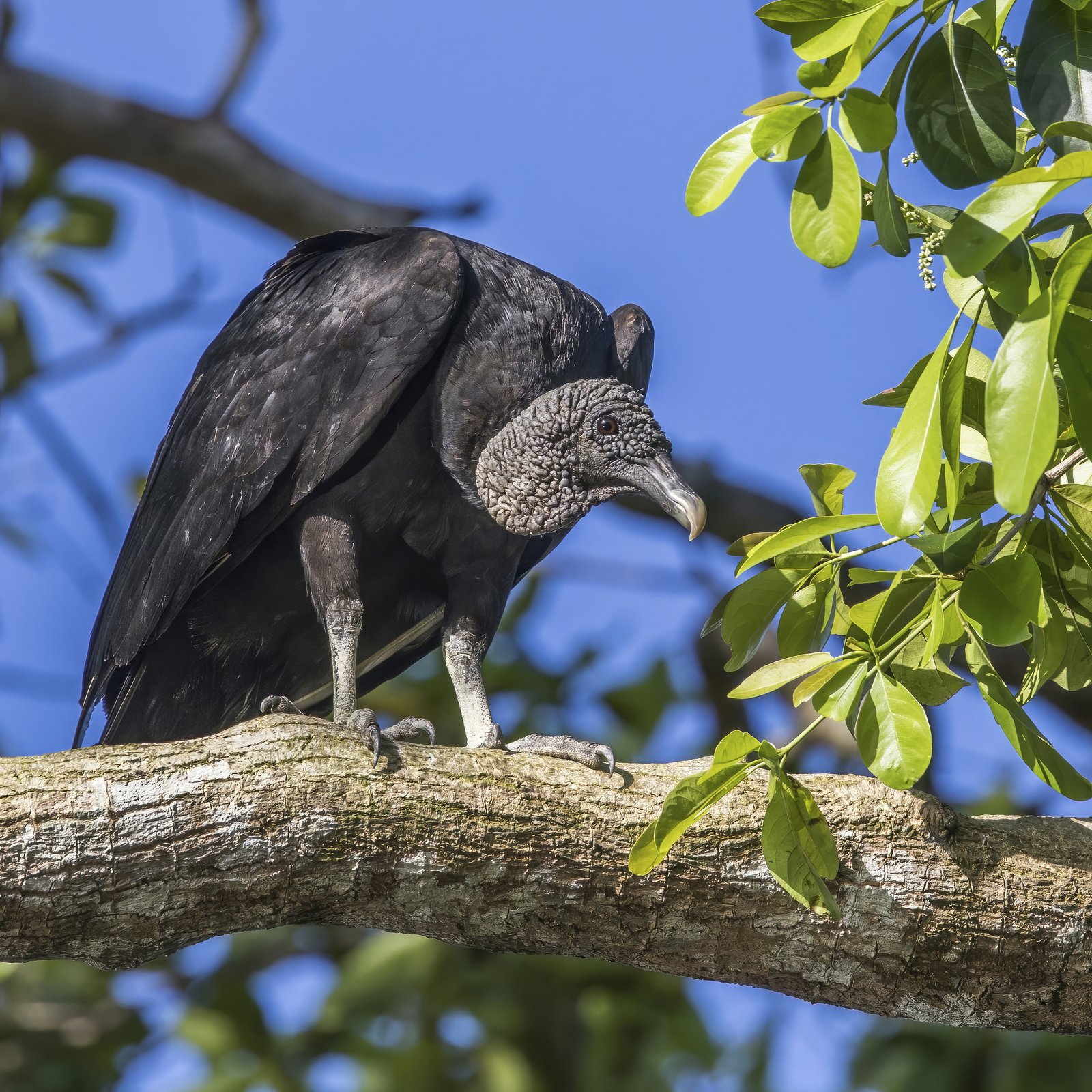
In the region the Black Vulture is a fixture only in Trinidad, where, known as the corbeau, it circles everywhere over towns, rubbish dumps and fish markets. It lives in groups, finds food by sight and often follows Turkey Vultures, which locate carrion by smell, and then displaces them at the carcass. On the islands north of Trinidad it is a rare vagrant.
Voice
Lacks a syrinx and is almost silent; birds hiss and grunt at carcasses and roosts.
Recording: JAYRSON ARAUJO DE OLIVEIRA — CC BY-NC-SA 4.0 · converted to mono · xeno-canto
Identification
56–68 cm, stocky, with short, broad wings and a short square tail, which the feet almost reach in flight. The plumage is dull black. The head and upper neck are bare, grey and wrinkled; the bill is dark with a pale tip. In flight the whitish patches at the base of the primaries stand out, confined to the wingtip. It flies with quick, shallow wingbeats alternating with short glides, the wings held flat. The sexes are alike; juveniles have a blacker, less wrinkled head.
Confusion species
Turkey Vulture Cathartes aura is slimmer and longer-tailed, has a red head as an adult and shows two-toned underwings: black coverts and grey flight feathers along the whole length. It soars with the wings raised in a V and tilts from side to side. Young Turkey Vultures have a dark head, but wing pattern and flight remain different. At a distance dark raptors such as Common Black Hawk Buteogallus anthracinus may cause confusion; they have a feathered head and a white tail band.
Habitat
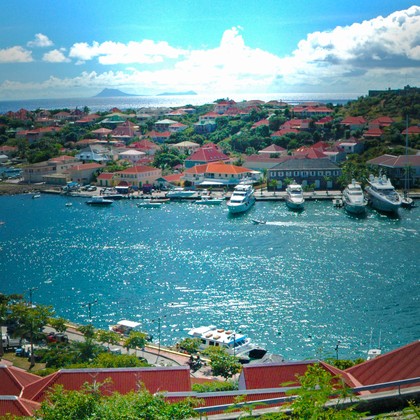
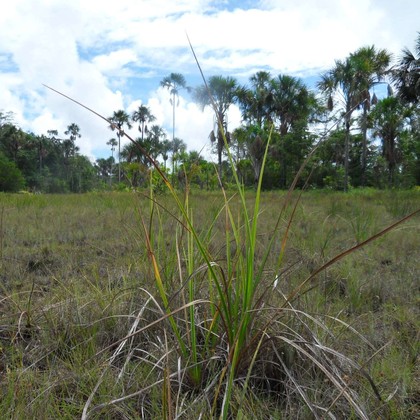
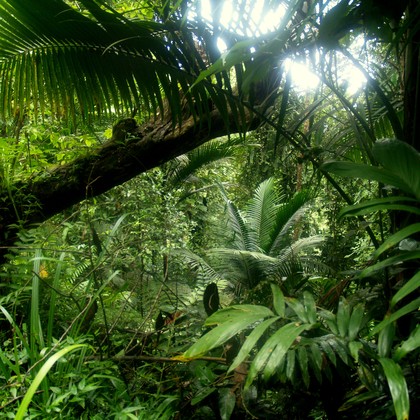
Open and semi-open country, towns and villages, rubbish dumps, slaughterhouses, fish markets, harbours and roads, and also over forest edge and coasts. Feeds mainly on carrion and refuse, sometimes on young or weak animals. Roosts communally in trees or on buildings. Lays its eggs without a nest on the ground in a hollow, among rocks, in a hollow tree or in an abandoned building; in Trinidad laying starts around November.
Where the bird is most at home, classified by the vegetation types of the Caribbean.


Range and movements
A common resident in Trinidad. In Tobago, the Greater Antilles and the other islands only scattered records of vagrants, including Cuba. Outside the region from the eastern United States through Mexico and Central America to Chile and Argentina.
- Resident
- Winter visitor (c. Apr–Sep)
- Passage (Mar–Apr, Oct–Nov)
- dark = core range, pale = thinly spread
How and when to look
In Trinidad seen almost everywhere, especially at fish markets and rubbish dumps and over Port of Spain. Elsewhere in the region a Black Vulture is a rare record; a black vulture over the Greater Antilles needs careful separation from a young Turkey Vulture, by wing pattern and tail length.
Conservation status
Not threatened. The species benefits from refuse and offal and is increasing in much of its range. Locally birds are poisoned or persecuted.
Scientific name
Coragyps atratus | (Bechstein, 1793)
Bechstein described the species in 1793 as Vultur atratus; because it was later moved to another genus, the author and year stand in brackets. The genus Coragyps was introduced in 1853 by Le Maout. Coragyps is Greek, from korax 'raven' and gups 'vulture': 'raven-vulture', after the black plumage. atratus is Latin for 'clothed in black', as in mourning, after the black plumage. The specimen the first description was based on came from St. Johns River, Florida.