All species › Passerines › Hispaniolan tanagers
Hispaniolan tanagers | Phaenicophilidae
Hispaniolatangaren | Tangaras de La Española
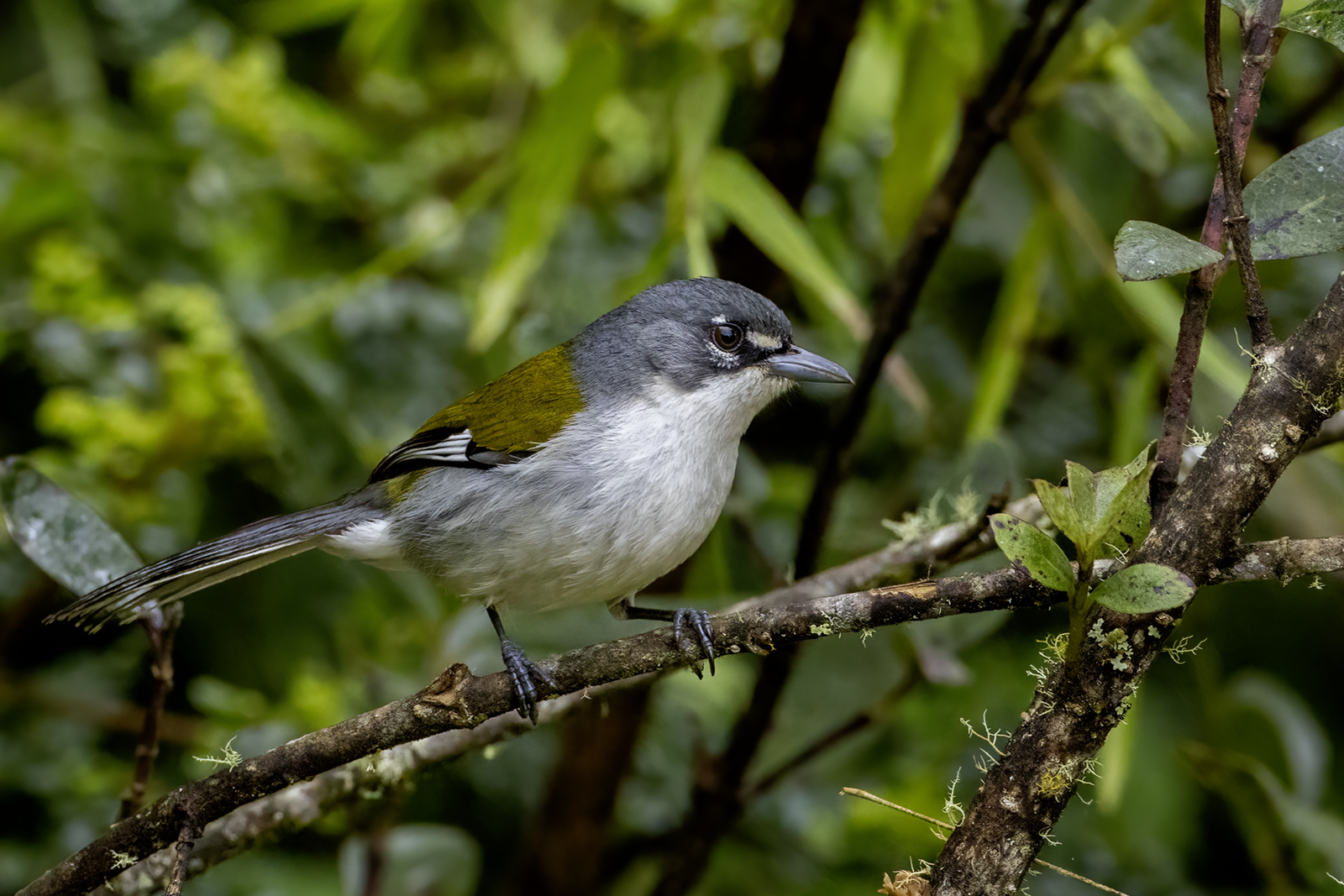
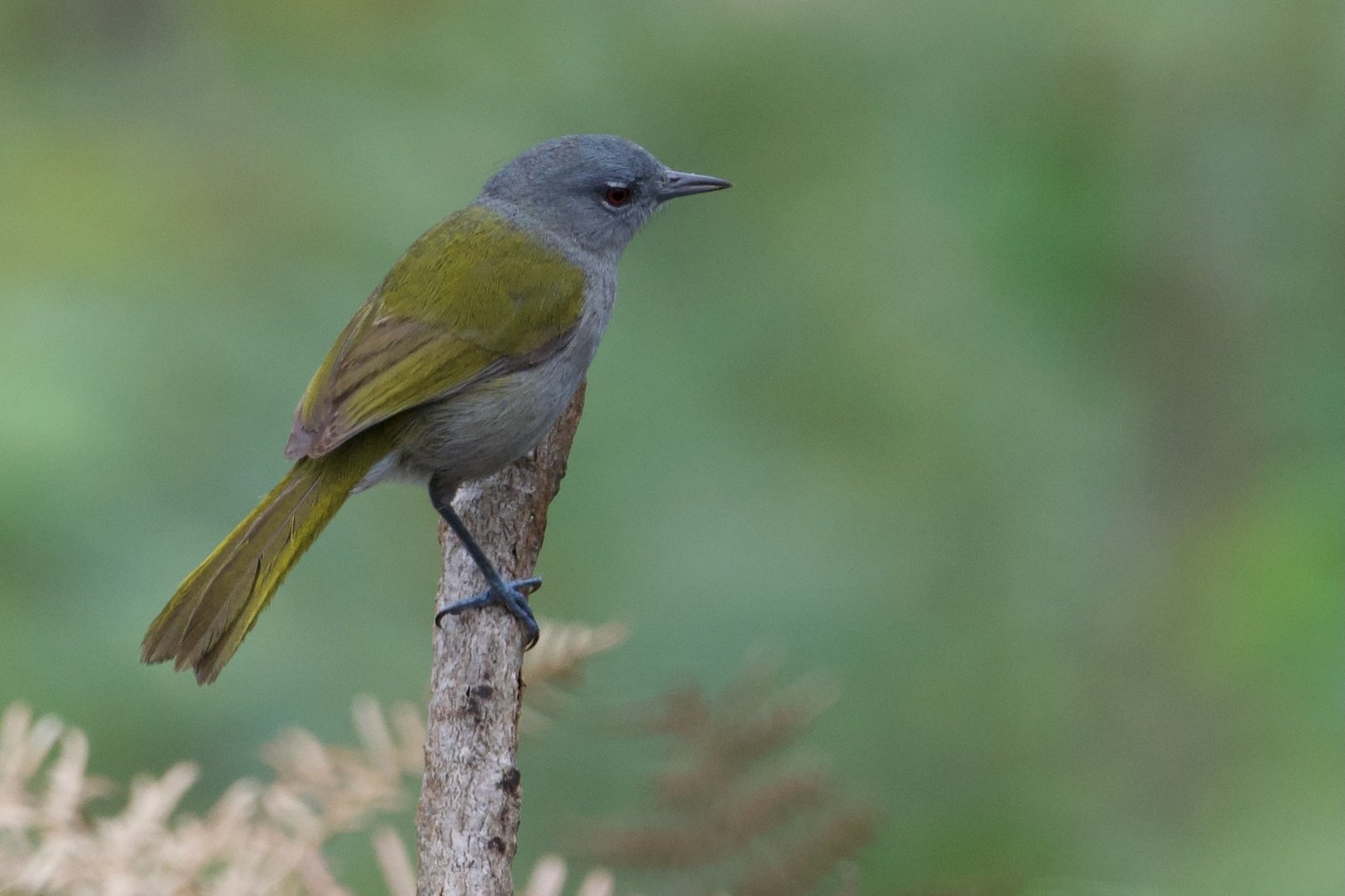
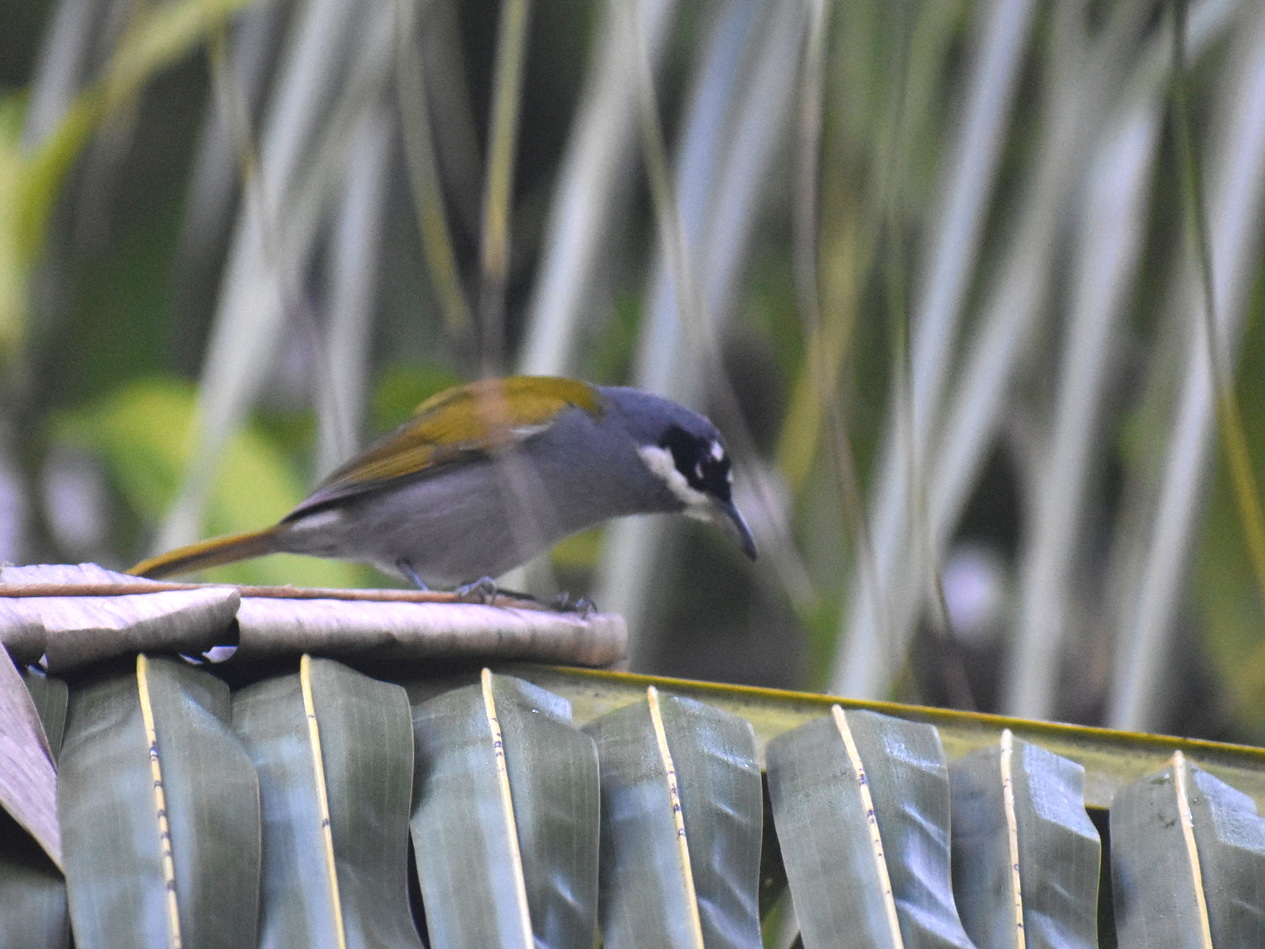
This small family is endemic to Hispaniola and comprises four species in three genera, formerly placed partly with the tanagers and partly with the New World warblers. The Black-crowned Palm-Tanager is widespread across the island, from dry lowland forest to montane forest, gardens and plantations; the Grey-crowned Palm-Tanager is restricted to south-western Haiti. Both are green above with a grey nape, a white throat and grey underparts, and have a black or grey crown with white spots around the eye. The Green-tailed Warbler is a small, grey-green bird with white arcs above and below the eye, a red eye and a greenish tail, found both in dry scrub and in montane forest. The White-winged Warbler lives in humid montane forest, has a grey head and a white patch on the wing, and has become scarce through forest loss. The species feed on insects and fruit, often in mixed flocks with other songbirds, and give sharp, chipping calls.
Native species 4 species
Species that occur here by nature: breeding birds, winter visitors and passage migrants. They are arranged by genus, in the sequence of the list.
Xenoligea 1 species

Phaenicophilus 2 species
-
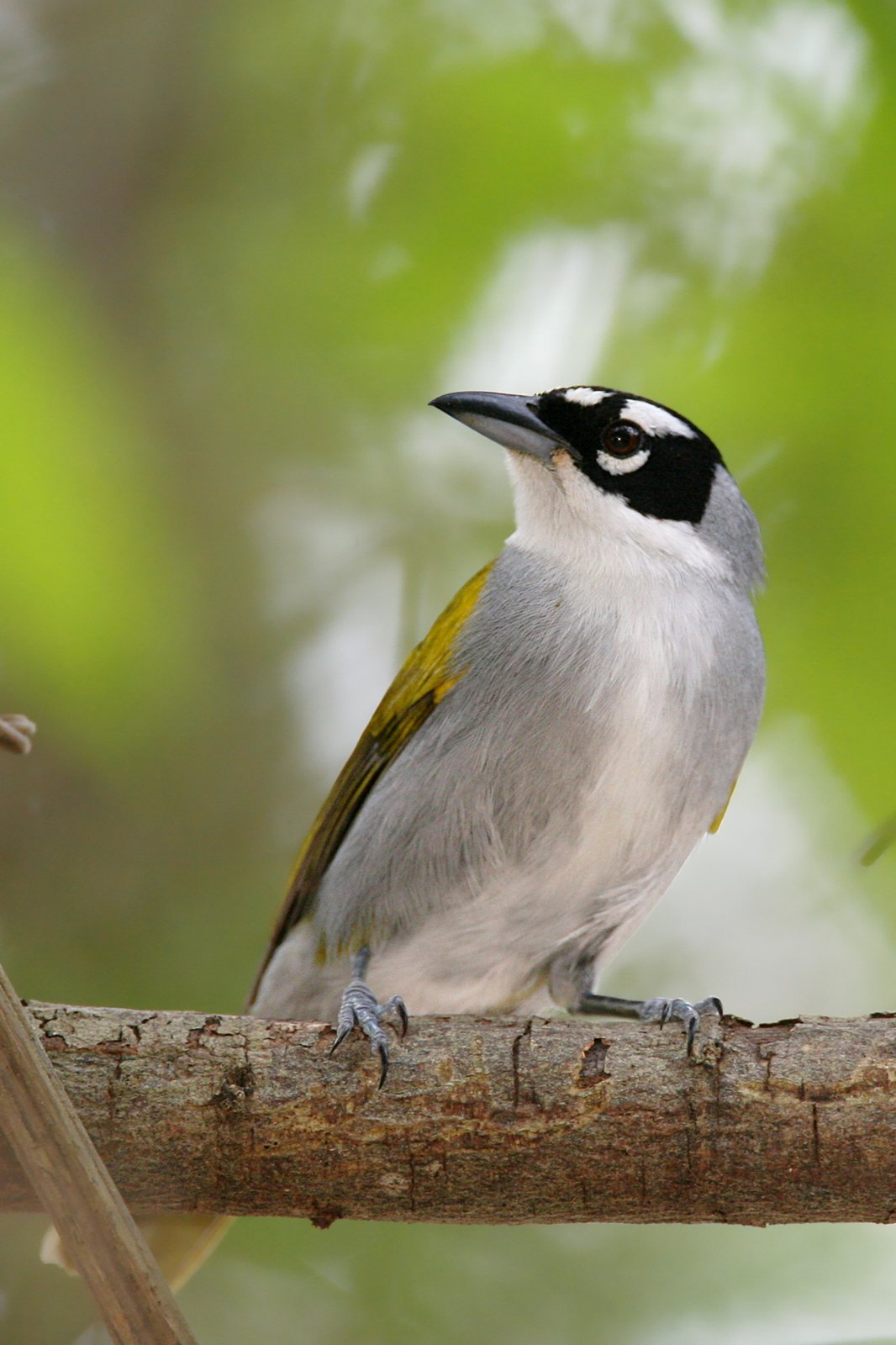
Black-crowned Palm-tanager
Phaenicophilus palmarum Dry deciduous forest
 Semi-evergreen and moist forest
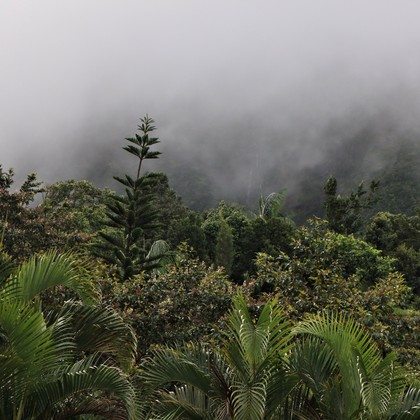 Montane rainforest
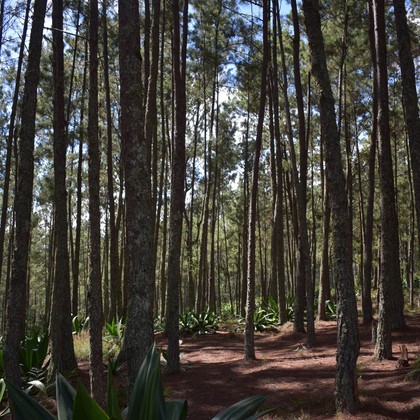 Pine forest
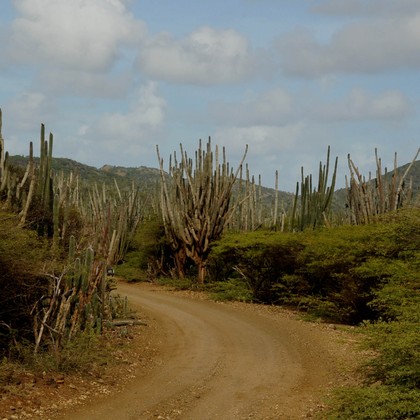 Thorn scrub and cactus scrub
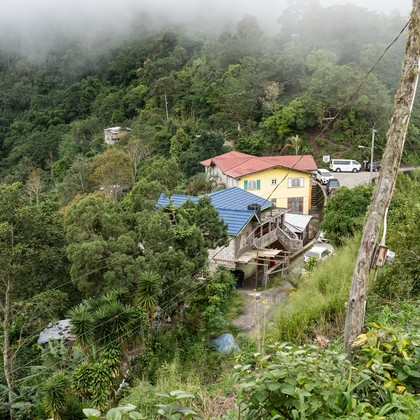 Coffee and cacao plantations
 Villages, towns and gardens
-
Grey-crowned Palm-tanager
Phaenicophilus poliocephalus- Dry deciduous forest
- Semi-evergreen and moist forest
- Montane rainforest
- Pine forest
- Coffee and cacao plantations
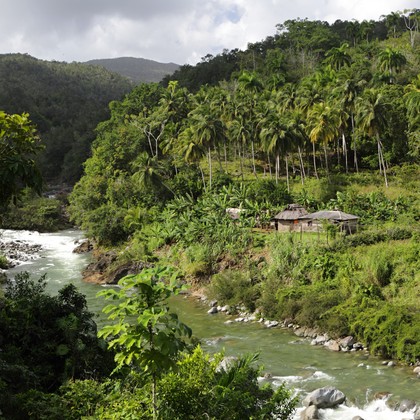 Coconut, citrus and fruit plantations
- Villages, towns and gardens