All species › Passerines › Grasshopper warblers
Grasshopper warblers | Locustellidae
Sprinkhaanzangers | Buscarlas
Extremely skulking brown birds that creep mouse-like through the lowest layer of reed, rank growth and sedge, and would rather run off than fly. The build matches: short rounded wings, a broad graduated tail and strikingly long undertail coverts. The song is mechanical — an even reeling or ticking trill sustained for minutes, which seems to shift about as the bird turns its head, so that it is hard to place. The nest sits on or just above the ground under overhanging stems and is reached on foot; the sexes look alike.
Native species 3 species
Species that occur here by nature: breeding birds, winter visitors and passage migrants. They are arranged by genus, in the sequence of the list.
Locustella 3 species
-

River Warbler
Locustella fluviatilis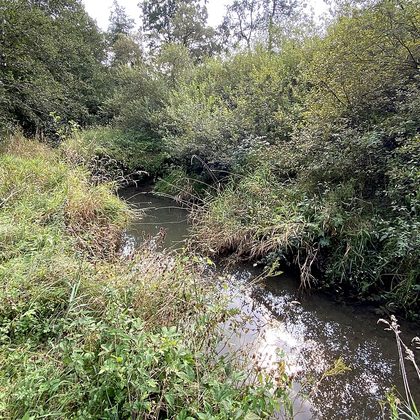 Riverine and fen scrub
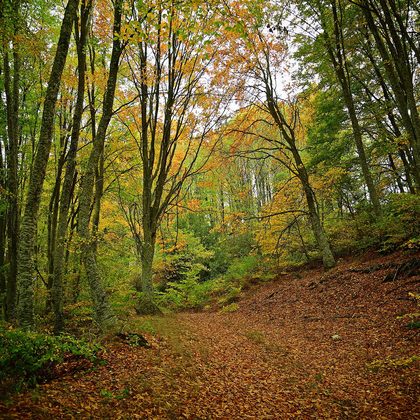 Broadleaved deciduous woodland
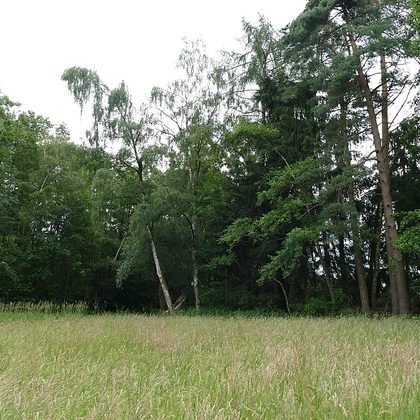 Woodland fringes, clearings and tall forb stands
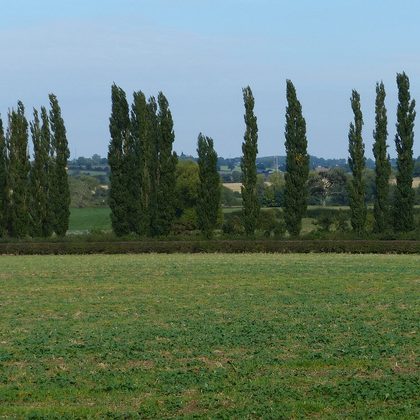 Lines of trees, small woods, felled and early-stage woodland
-

Savi's Warbler
Locustella luscinioides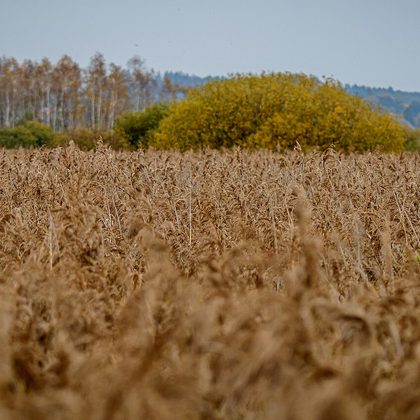 Sedge and reedbeds without free-standing water
- Riverine and fen scrub
 Littoral zone of inland surface waterbodies
-

Common Grasshopper-Warbler
Locustella naevia- Sedge and reedbeds without free-standing water
- Lines of trees, small woods, felled and early-stage woodland
- Woodland fringes, clearings and tall forb stands
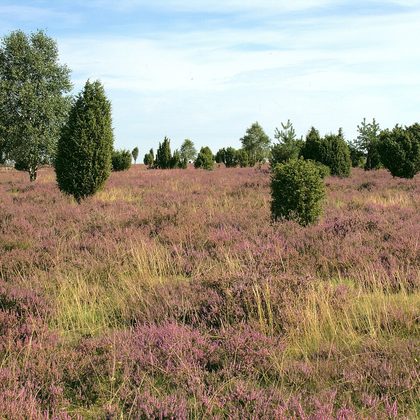 Temperate shrub heathland
- Littoral zone of inland surface waterbodies
Vagrants 2 species
Birds blown in from other continents. They have no range here, and so no distribution map.
-

Pallas's Grasshopper Warbler
Helopsaltes certhiola- Sedge and reedbeds without free-standing water
- Riverine and fen scrub
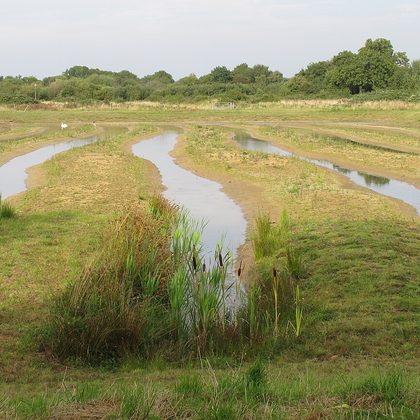 Seasonally wet and wet grasslands
- Littoral zone of inland surface waterbodies
-

Lanceolated Warbler
Locustella lanceolata- Seasonally wet and wet grasslands
- Sedge and reedbeds without free-standing water
- Woodland fringes, clearings and tall forb stands
- Riverine and fen scrub