All species › Pigeons and doves › Doves and pigeons › Ruddy Ground Dove
Ruddy Ground Dove | Columbina talpacoti
Steenduif | Tortolita Rojiza
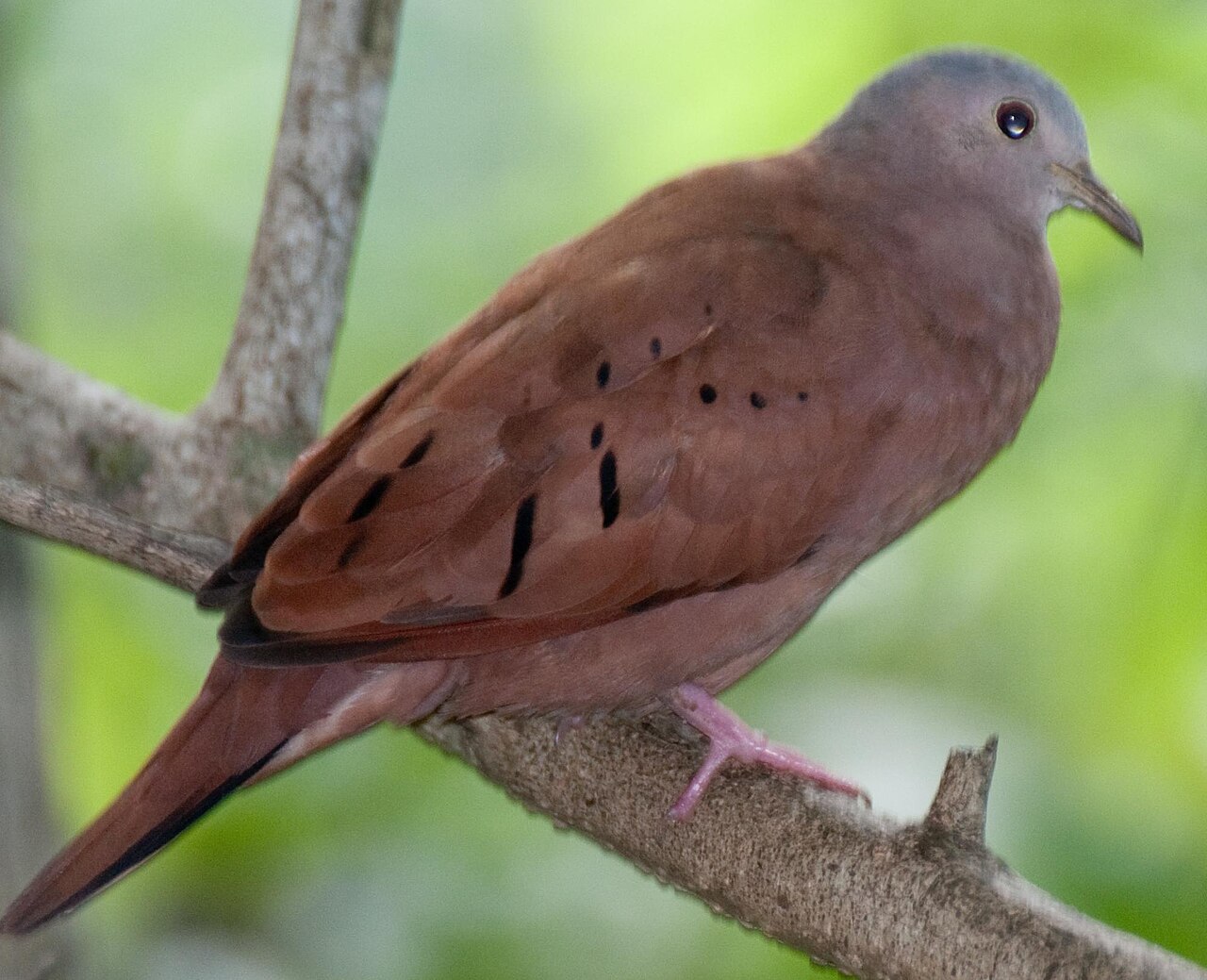
Ruddy Ground Dove is a small ground dove of the warm lowlands, the male cinnamon-red from head to tail with a grey crown. It belongs to open and half-open country and has spread over a large area as forest gave way to pasture and cropland, right into the squares and parks of tropical cities. North of Mexico it appears irregularly, mostly between October and April.
Voice
The call is a soft, two-syllable cur-WOO, repeated at an even pace dozens of times in a row. Besides that series the male gives a monotonous song of two low notes in quick succession, sustained for seconds without a break. Everything sounds slightly higher and slightly faster than in Common Ground Dove, which is the most useful distinction in mixed parties. It calls from a low branch, a wire or a roof edge, all year round and most in the morning.
Recording: Juan Freile — CC BY-NC-SA 4.0 · isla frente a Nuevo Rocafuerte en dirección N, Orellana, Ecuador · xeno-canto
Identification
A small, squat dove with a short tail and a proportionately small head. The male is warm cinnamon to rufous on back, wings and breast, with a blue-grey crown and nape and black streaks and spots on the wing coverts; the tail is dark to black. The female is grey-brown and much duller but shows the same black wing markings. The breast is plain, without the scaling that marks Common Ground Dove, and the bill is dark rather than pinkish red. In flight the hand flashes rufous with a black trailing edge.
Confusion species
Common Ground Dove is smaller, has finely scaled head, neck and breast and a pinkish-red bill with a dark tip. Inca Dove has a much longer, straight tail with white sides and is scaled over the whole body. Two other small ground doves in Central America invite confusion: in one the male is plain blue-grey (Claravis pretiosa), in the other the plumage is dull brown without any red (Columbina minuta). Neither shows the warm cinnamon that the male Ruddy Ground Dove carries across back and breast.
Habitat
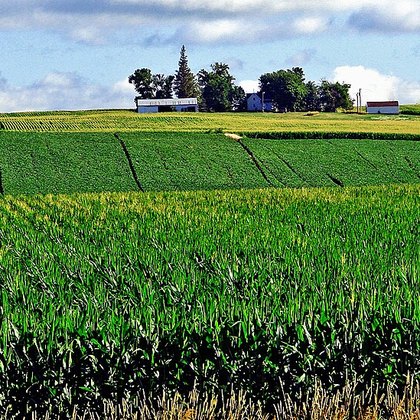
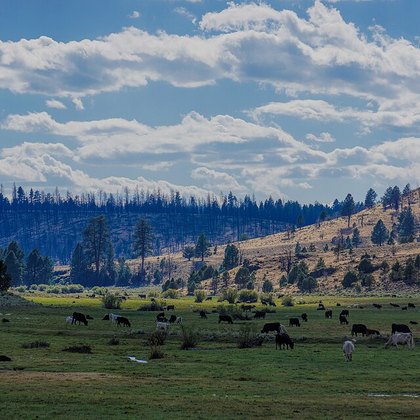
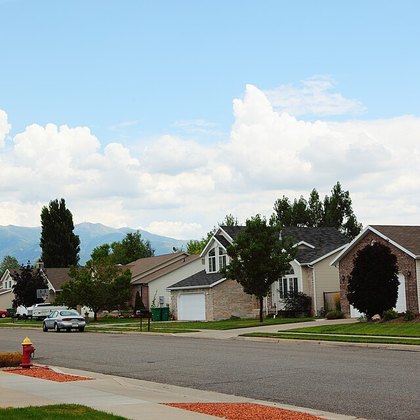
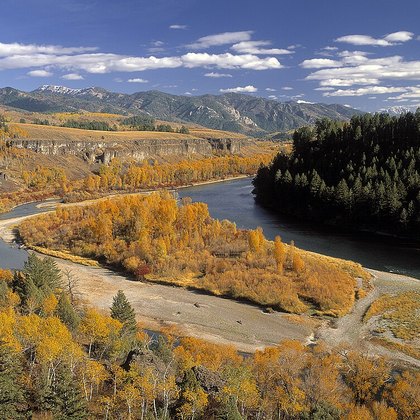
Open and half-open, often humid country: pastures, fields, fallow land, village edges, farmyards, road verges and the open banks of rivers and pools. It is numerous in tropical towns, where it searches squares, parks and streets for seed and takes little notice of people. Away from settlement it keeps to low scrub and to cleared patches in the forest. It avoids the closed interior of tropical forest; where the forest is broken open it increases.
Where the bird is most often found, arranged by the USNVC — the vegetation classification of the United States and Canada — and CMECS for sea and coast.

Range and movements
Resident from northern Mexico — on the Pacific slope from Sinaloa, on the Gulf side from Tamaulipas — through the whole of Central America and on into Brazil, Peru, Paraguay, northern Argentina and Trinidad. During the twentieth century it expanded strongly as forest was replaced by pasture and grain. In the southwestern United States it turns up irregularly, chiefly in Arizona and also in southern California, New Mexico and Texas, mostly between October and April; in Arizona it has bred a few times. The species has no regular migration.
- Resident
- Breeding (summer)
- Winter
- Passage
- dark = core range, pale = thinly spread
Where and when to look
In Mexico or Central America, check the small doves feeding on the ground on a village square, at a stockyard or along a farm track; Ruddy Ground Doves often walk among Common Ground Doves there. Watch for the plain breast, the dark bill and, in the male, the cinnamon colour. North of the border it pays in winter to work through every party of Common Ground Doves at a feeding station or feedlot.
Conservation
The species is listed as Least Concern (LC); across nearly all of its range it is numerous and increasing; no reliable estimate of the total exists. It benefits from deforestation, cattle farming and urban growth, and has gained ground where many forest birds have lost it. No threats of any consequence are known.
Scientific name
Columbina talpacoti | (Temminck, 1810)
Temminck described the species in 1810 as Columba talpacoti; because it was later placed in the genus Columbina, author and year stand in parentheses. The description appeared in the plate work Les Pigeons, parts 12–13, on page 22 with plate 11. Columbina is a diminutive of Latin columba, 'dove'; the species name talpacoti is taken from an indigenous Brazilian name for this bird. Temminck gave the type locality only as South America.