All species › Passerines › Finches, euphonias and allies › Pine Siskin
Pine Siskin | Spinus pinus
Dennensijs | Jilguero de los pinos
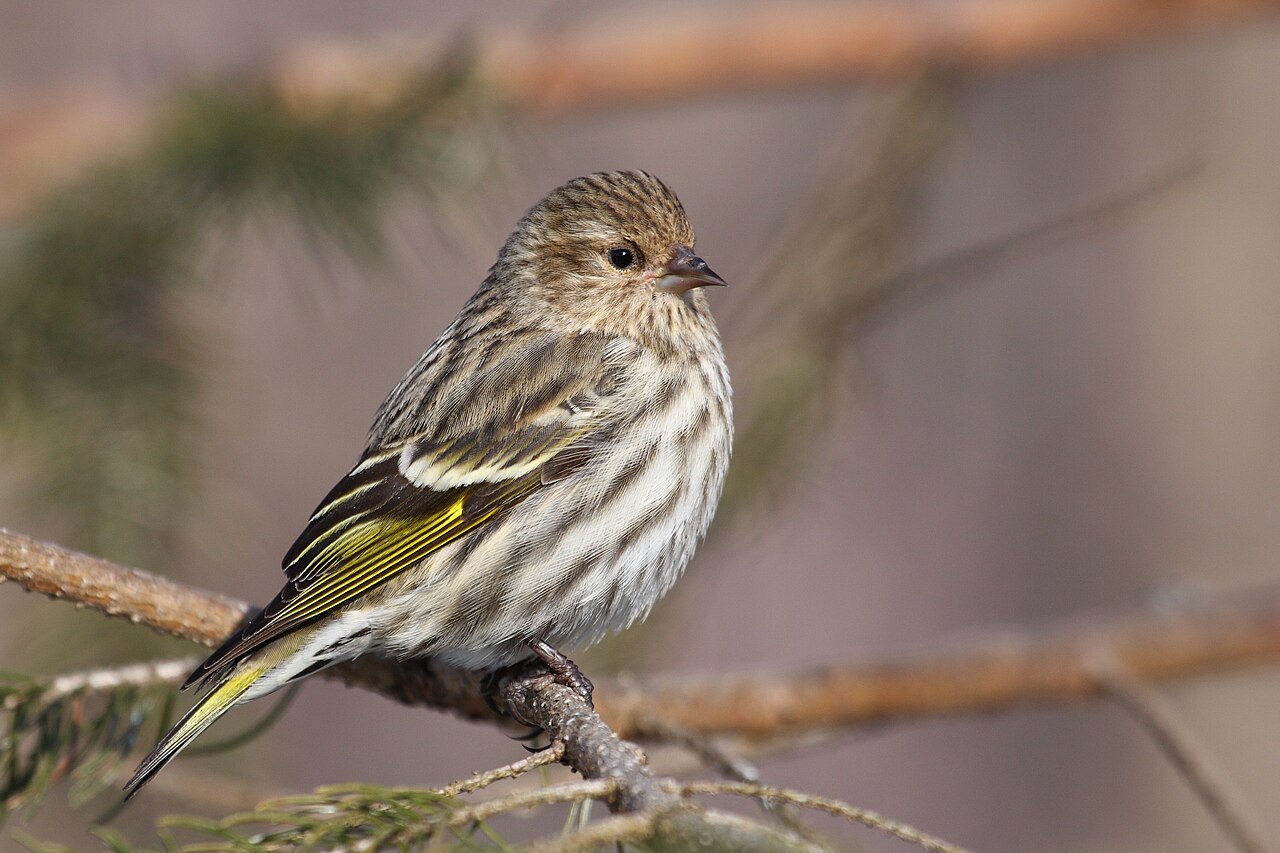
The Pine Siskin is a small, heavily streaked conifer finch that gives itself away by yellow flashes in wing and tail. Its numbers shift from year to year: in winters when the northern seed crop fails, flocks appear far into the southern United States, while in other winters the whole region stays empty.
Voice
The flight and contact call is a hoarse, rising zrreeeee that climbs at the end like a screw being driven home — that sound is the most reliable mark of the species. Alongside it comes a short, hard chi-chi-chi in flight. The song is a long, continuous rattle of twittering and buzzing notes without clear phrase breaks, often delivered by several birds at once from a treetop. Flocks are audible almost without a pause, feeding included.
Recording: Greg Irving — CC BY-NC-SA 4.0 · Surveyor Creek Trail, Deer Park Clearcut, Clallam County, Washington, United States · xeno-canto
Identification
Brown, with fine dense streaking over head, back, breast and flanks. The bill is conical but thin and sharp for a finch. A yellow band sits at the base of the flight feathers, and the base of the tail feathers is yellow as well; both show best as the bird takes off. The tail is short and notched. A proportion of males are a green morph: greener above, less streaked below and with more yellow in wing and tail.
Confusion species
Female and winter American Goldfinches are plain brown without streaking — the siskin's streaking rules them out. Redpolls have a red forehead and a black chin patch and lack the yellow. House Finch is larger and coarser, with a thick blunt bill and no yellow in the wing. Lesser Goldfinch has a white wing patch and unstreaked yellow underparts. In doubt: the thin sharp bill and the hoarse rising call settle it.
Habitat
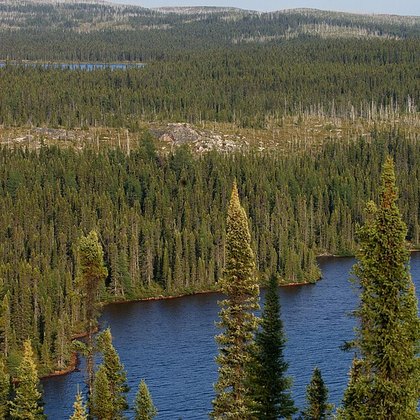
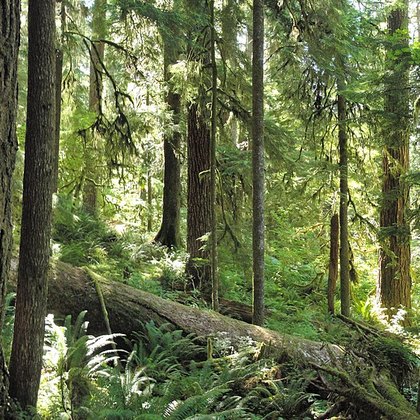
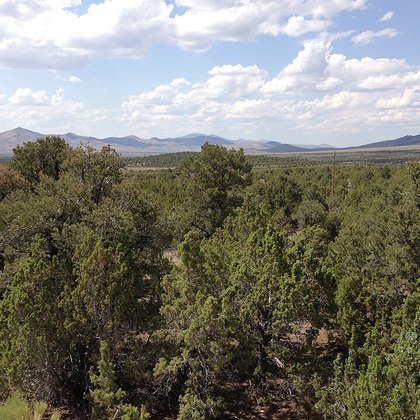
Open coniferous and mixed forest — spruce and pine in the north, montane conifer up into the subalpine zone in the west. It feeds hanging from the branch tips of conifer, alder and birch, and on seeding herbs in rough ground and field edges. In winter it is a regular at feeders with nyjer seed, in gardens and parks. It also seeks minerals, among other places at salted roads and at ash and salt piles.
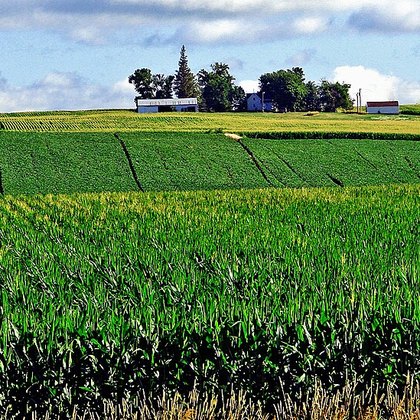
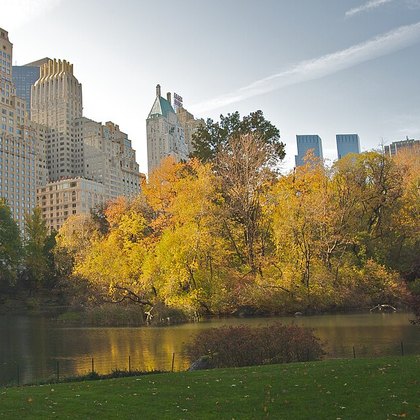
Where the bird is most often found, arranged by the USNVC — the vegetation classification of the United States and Canada — and CMECS for sea and coast.

Range and movements
It breeds from Alaska across boreal Canada, south through the western mountains into Mexico, and in the east to the northern states. In the mountains of Mexico and Guatemala it is present year-round. In winter it may turn up almost anywhere in the United States as far as the Gulf coast and Florida, but the scale of that movement depends on the conifer and birch seed set in the north. Breeding sites are not fixed: a flock may stay where winter food was plentiful and nest there in spring.
- Resident
- Breeding (summer)
- Winter
- Passage
- dark = core range, pale = thinly spread
Where and when to look
Learn the rising zrreeeee first: in a winter wood you hear a flock before you see it. At a feeder the thin sharp bill is the quickest mark, together with the yellow that only shows as the bird takes off. Flocks often mix with American Goldfinches and redpolls, so always scan a mixed group for streaking.
Conservation
Partners in Flight puts the breeding population at about 46 million birds. Even so, numbers fell by more than two per cent a year between 1966 and 2019, close to seventy per cent in total, and the species is listed as a common bird in steep decline. Its irruptive habits make that trend hard to measure, since a count finds thousands of birds in one year where the next holds none. At feeders the dense flocks bring on salmonella outbreaks; conifer logging and traffic mortality along salted roads add to the pressure.
Scientific name
Spinus pinus | (Wilson, 1810)
Alexander Wilson described the species in 1810 as Fringilla pinus, from a specimen taken at Bush Hill near Philadelphia; because it was later moved to another genus, author and year stand in parentheses. The genus Spinus was introduced in 1816 by Carl Ludwig Koch, from Greek spinos, an ancient name for a small finch. The species name pinus is Latin for 'pine'. The Dutch and English names both point to that same coniferous forest.