All species › Waders, gulls and terns › Jaegers and skuas
Jaegers and skuas | Stercorariidae
Jagers | Págalos
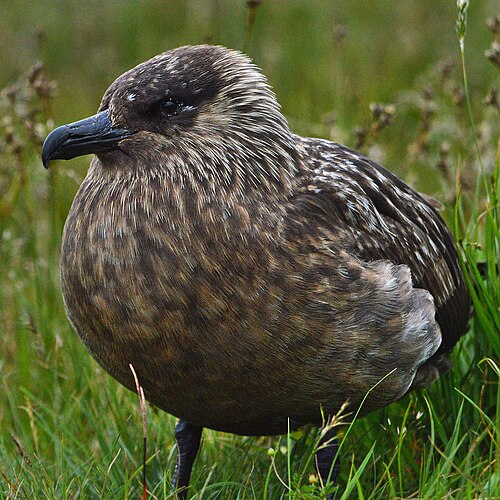
Much of the food is taken from other seabirds: one victim is singled out in flight and chased through sharp turns until it drops or disgorges its catch, which is then snatched in the air or picked off the water. The bill is hooked at the tip and carries a horny plate at the base; the toes bear sharp claws. On the breeding grounds the diet changes completely: eggs, chicks, small rodents, berries and insects are taken, and in some species breeding depends so closely on rodent numbers that in poor years hardly any eggs are laid at all. The nest is a bare scrape on open ground, usually with two eggs; anyone coming too close is attacked at head height in low, screaming diving passes. Several species occur in both a pale and a dark colour form side by side, and in adults the central tail feathers project beyond the tail as points or spoons. Outside the breeding season life is spent on the open sea, far from any coast.
Native species 4 species
Species that occur here by nature: breeding birds, winter visitors and passage migrants. They are arranged by genus, in the sequence of the list.
Stercorarius 4 species
-
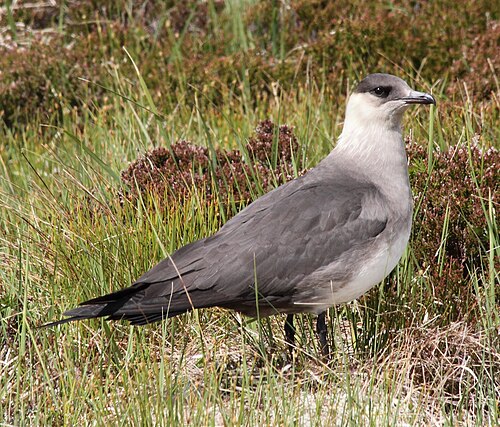
Parasitic Jaeger
Stercorarius parasiticus Arctic tundra
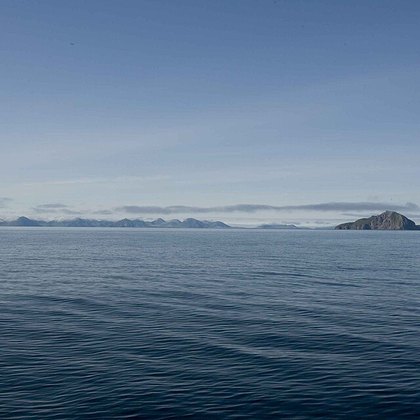 Open ocean
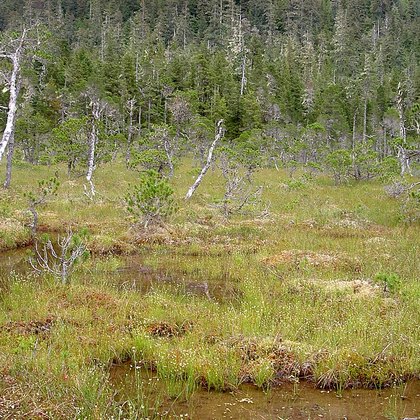 Peatland and muskeg
 Dunes and sandy beaches
 Tidal flats
-
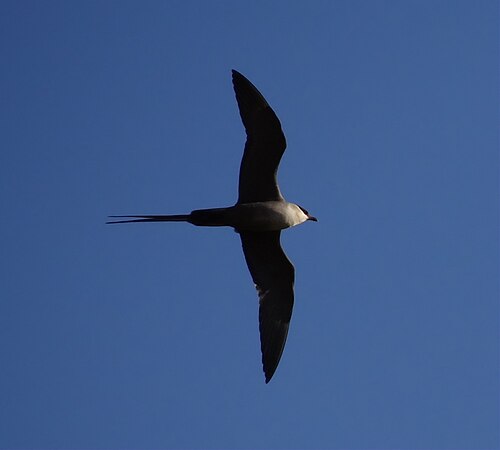
Long-tailed Jaeger
Stercorarius longicaudus- Open ocean
- Arctic tundra
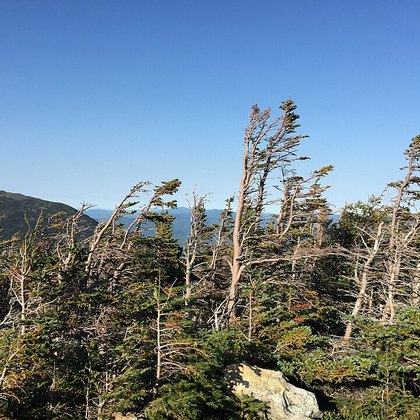 Krummholz and dwarf scrub
- Dunes and sandy beaches
-
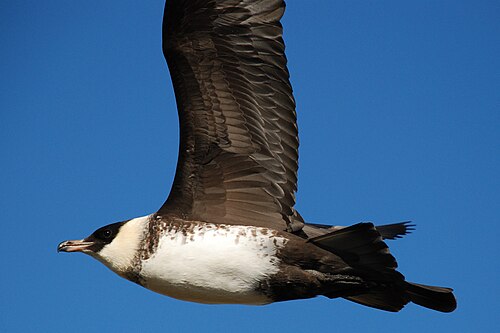
Pomarine Jaeger
Stercorarius pomarinus- Open ocean
- Arctic tundra
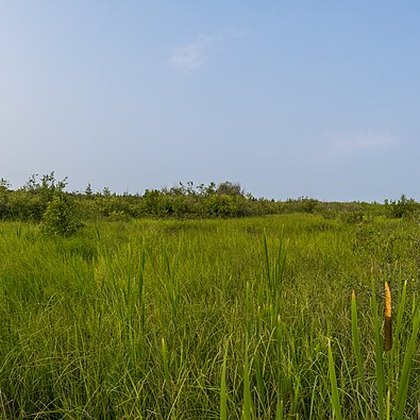 Wet meadow and sedge marsh
- Peatland and muskeg
 Estuaries and lagoons
-
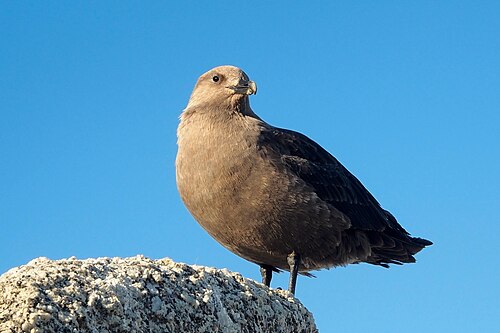
South Polar Skua
Stercorarius maccormicki- Open ocean
 Polar desert and glacier foreland
Vagrants 1 species
Birds blown in from other continents, or from far outside their usual range.