All species › Nightjars › Nightjars and nighthawks
Nightjars and nighthawks | Caprimulgidae
Nachtzwaluwen | Chotacabras
In the dark, these birds give themselves away through a bright, orange-red eyeshine: a reflective layer behind the retina, the tapetum lucidum, boosts the little available light and makes them easy to find with a flashlight. The nightjar itself gives the family its English name with a rasping song that can continue for hours after dark from a fixed singing post, while other family members clap their wings during display or dive steeply with a booming sound produced by their tail feathers. Some species also display in flight by day, giving a sharp, nasal call that carries far across open ground. One northern member of the family, Phalaenoptilus nuttallii, is the only bird known to drop into a true state of torpor for weeks at a time when food runs short, with body temperature and heart rate sharply reduced.
Native species 8 species
Species that occur here by nature: breeding birds, winter visitors and passage migrants. They are arranged by genus, in the sequence of the list.
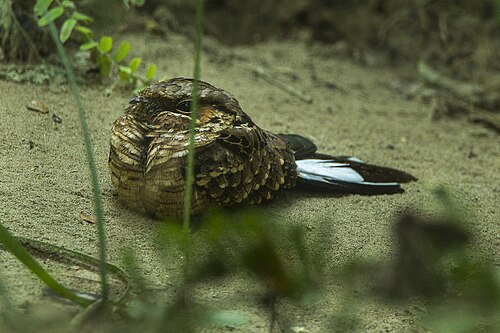
Nyctidromus 1 species
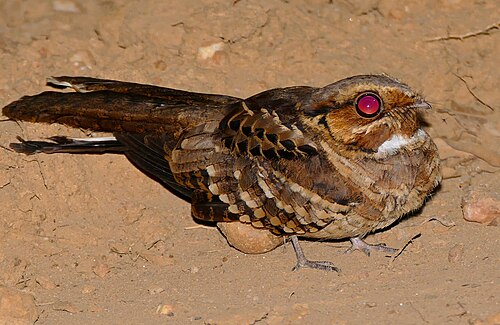
Phalaenoptilus 1 species
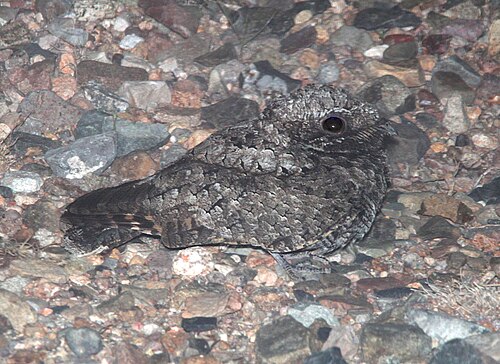
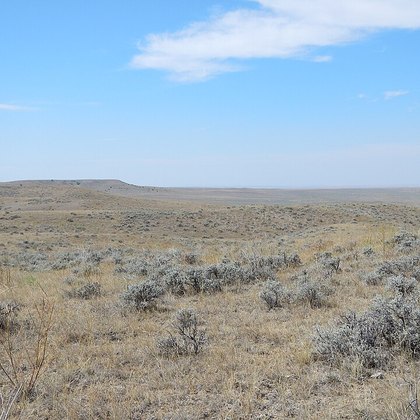
Antrostomus 3 species
-
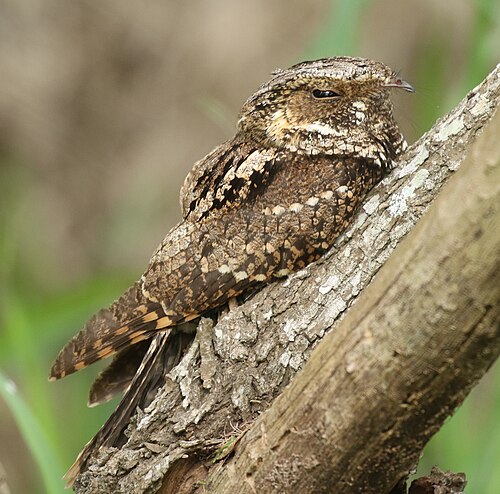
Chuck-will's-widow
Antrostomus carolinensis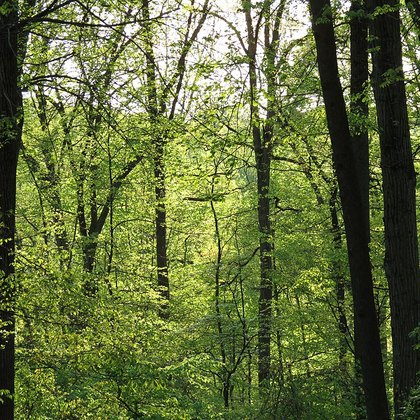 Deciduous forest
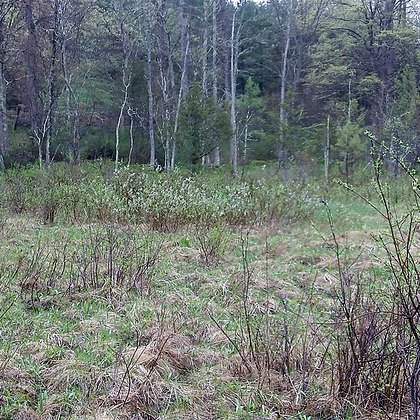 Thickets and woodland edge
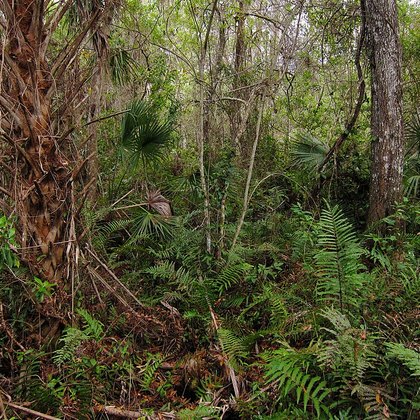 Subtropical and tropical forest
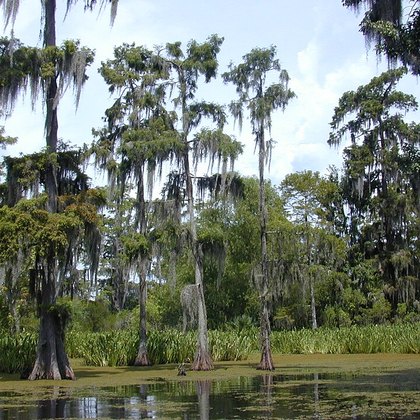 Swamp forest
-
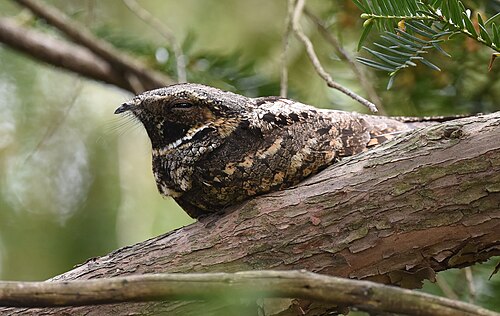
Eastern Whip-poor-will
Antrostomus vociferus- Deciduous forest
- Thickets and woodland edge
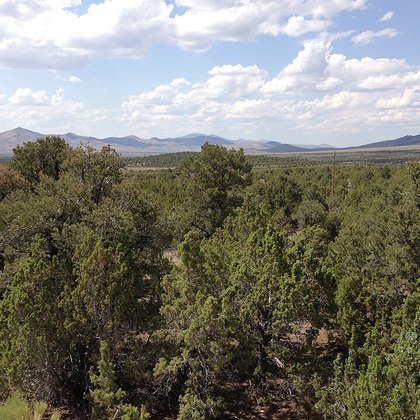 Pinyon-juniper and dry pine woodland
- Subtropical and tropical forest
-
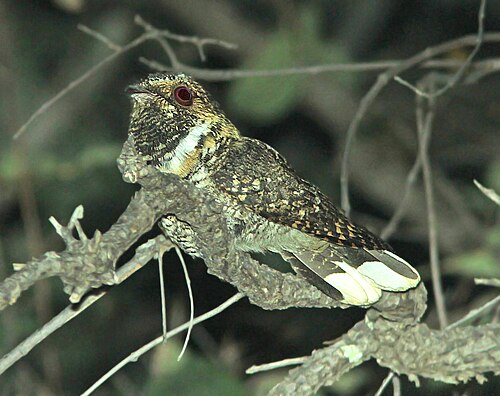
Mexican Whip-poor-will
Antrostomus arizonae- Pinyon-juniper and dry pine woodland
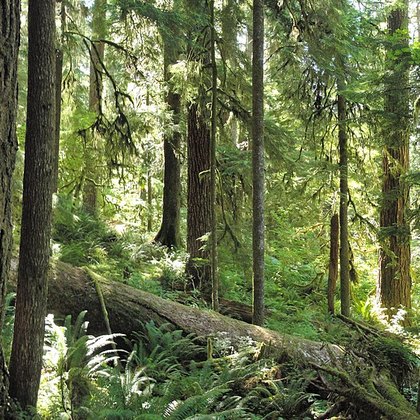 Montane and coastal conifer forest
 Rock, cliff and talus
- Deciduous forest
Chordeiles 3 species
-
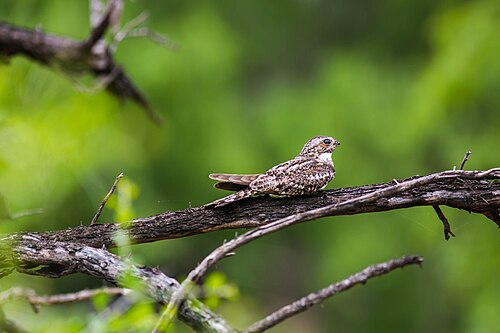
Lesser Nighthawk
Chordeiles acutipennis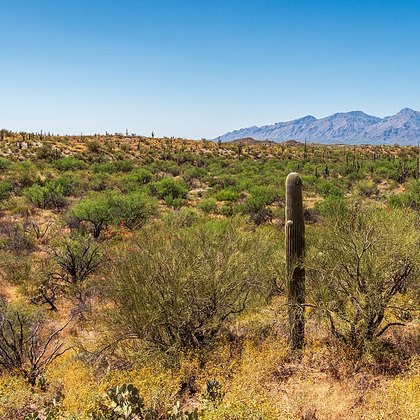 Desert and semi-desert
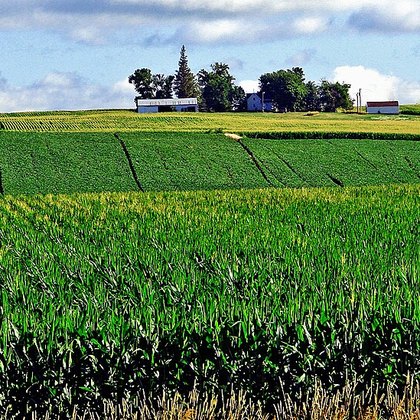 Arable land
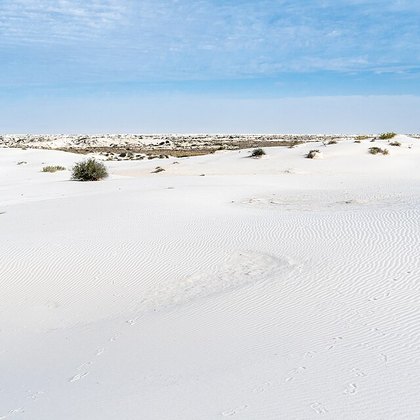 Sand and alkali flats
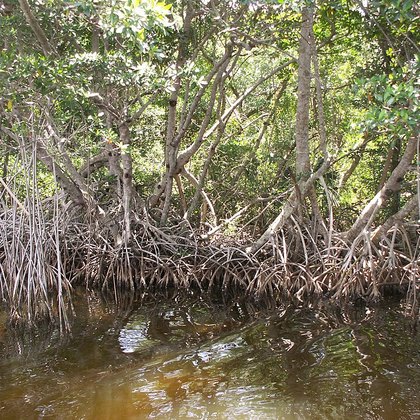 Mangrove
-
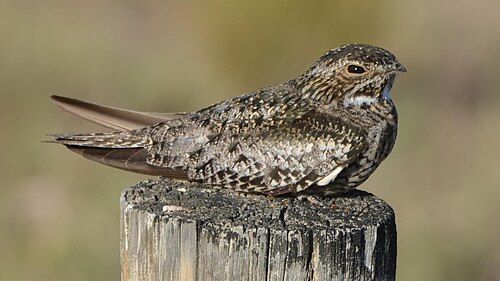
Common Nighthawk
Chordeiles minor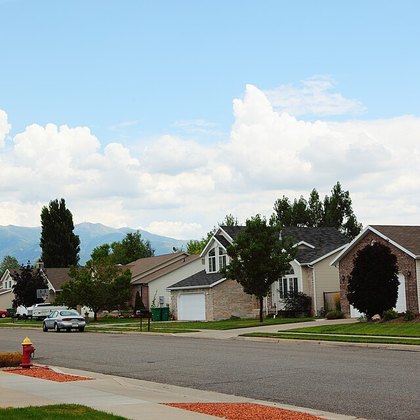 Town and city
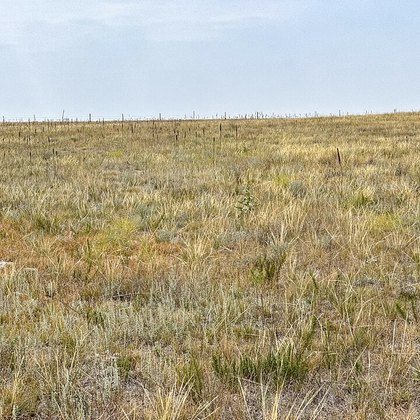 Shortgrass prairie
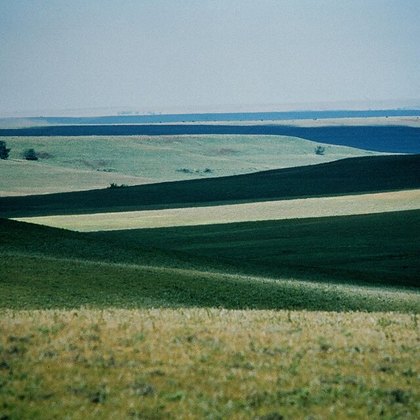 Tallgrass prairie
- Rock, cliff and talus
- Thickets and woodland edge
-
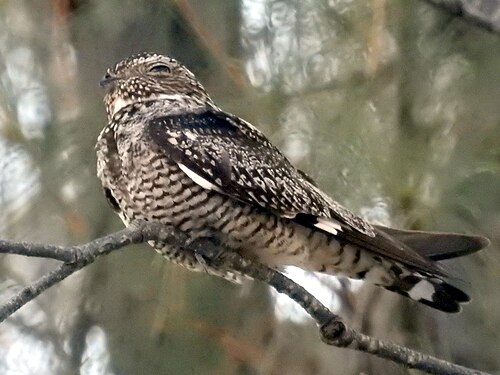
Antillean Nighthawk
Chordeiles gundlachii- Town and city
- Arable land
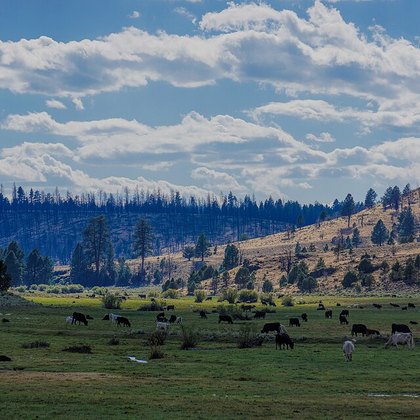 Pasture and rangeland
 Dunes and sandy beaches
- Shortgrass prairie
Vagrants 1 species
Birds blown in from other continents, or from far outside their usual range.