All species › Rodents › Mice and rats › Sundevall’s jird
Sundevall’s jird | Meriones crassus
Meriones crassus | Meriones crassus
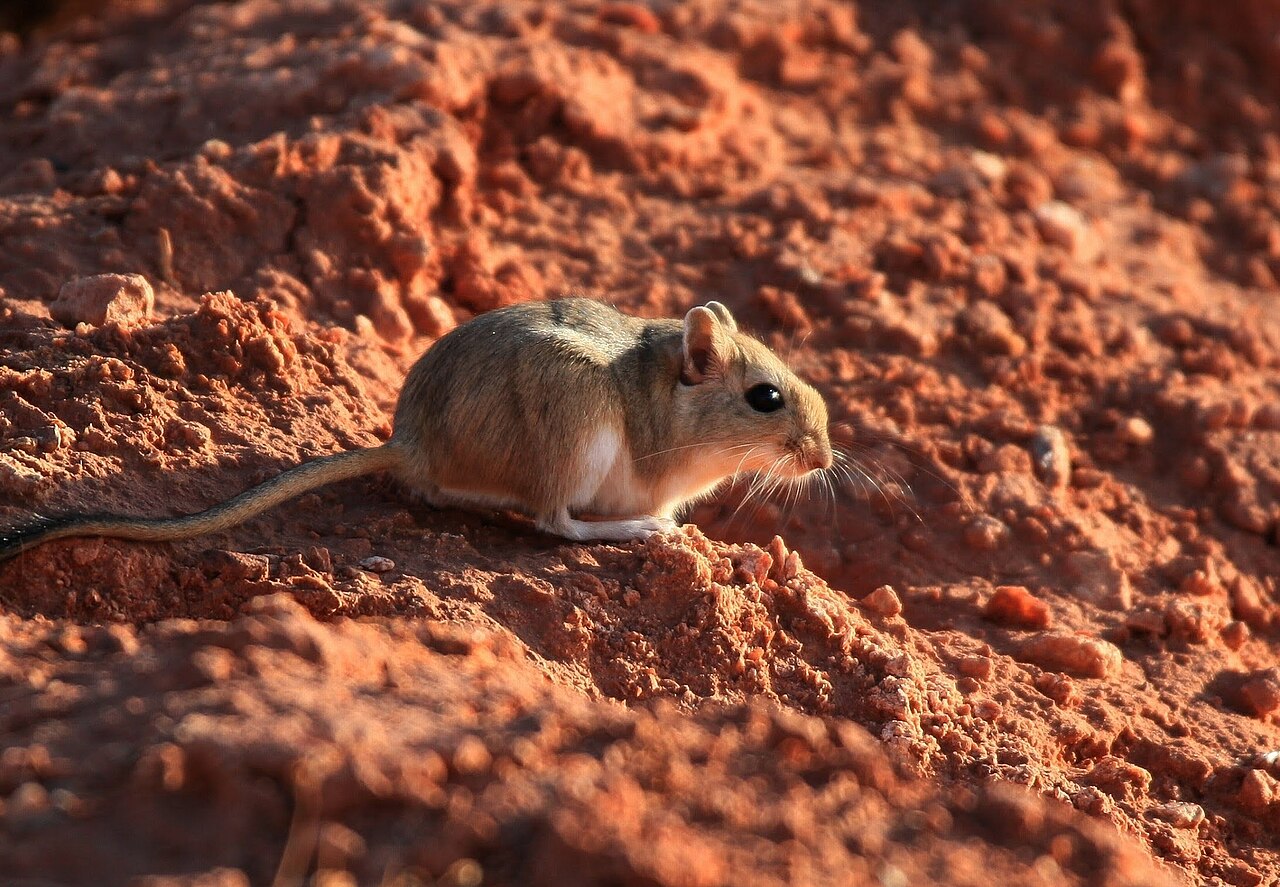
Sundevall's Jird (Meriones crassus) is a jird of the Sahara and the deserts of the Middle East, ranging from the Atlantic coast of Morocco to beyond the Persian Gulf. In open desert it is often the first rodent seen at night in a lamp beam. The species is nomadic: when food runs out the population moves, and it also occurs far from vegetation.
Tracks
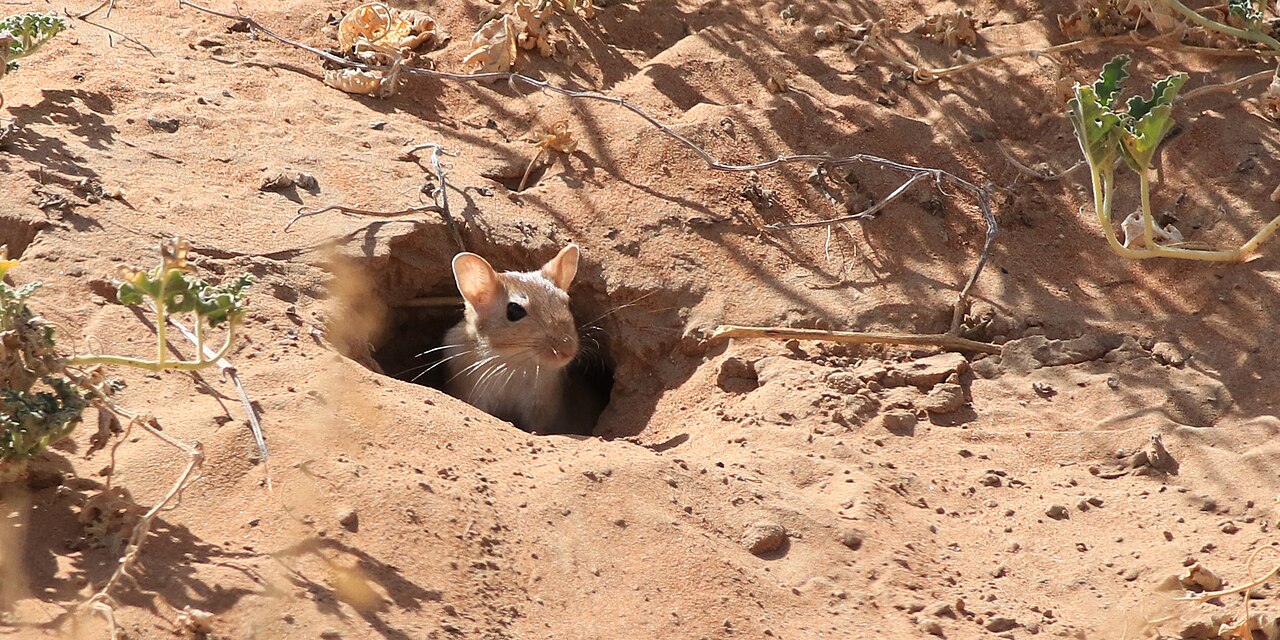
The burrow is the most conspicuous sign: a system with up to eighteen entrances, up to twelve metres long and one to two metres deep, although the average in Morocco is much shallower, around forty centimetres. Many tunnels are blind and end just below the surface. The nest chamber is lined with dry, shredded plant material, and a separate chamber holds the food store. Abandoned systems are reused by new occupants; a burrow with sharp, fresh spoil fans is occupied, one with blown-in, smooth entrances is not. The trail in fine sand is that of a four-footed walker, not a bounder: four toes in front, five behind, prints one and a half to two centimetres long, with a clear tail drag when the animal walks slowly. Droppings are black, glossy, three to five millimetres long and scattered near the entrances. Around occupied burrows lie clipped stems and seed remains of colocynth, Anabasis or saltbush, and sometimes wing cases and legs of locusts. The species drums with its hind feet on the ground, a dry, rhythmic tattoo audible tens of metres away on a still night, especially when an observer is close to a burrow entrance.
In its habitat
Identification
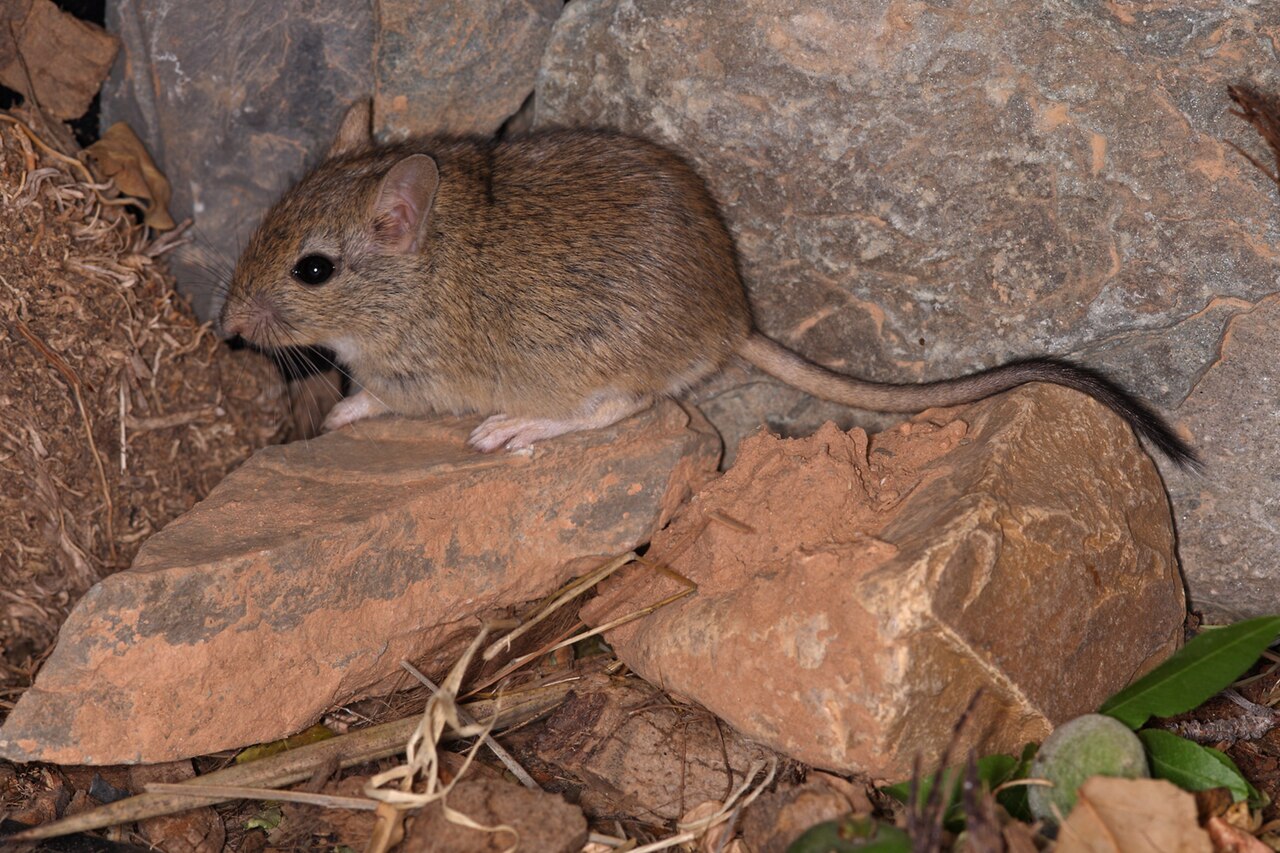
A sturdy, grey-sandy jird with a tail about as long as head and body, ending in a greyish-brown to chestnut brush; the basal part of the tail is off-white, so that the dark brush stands out sharply against it. The back is grey with a sandy wash, the belly white. The claws are ivory-white, which is easy to see in an animal in a lamp beam. The soles of the hind feet are partly haired, but the heel is bare, with a sharp boundary between the two. Ears 14 to 22 millimetres, hind foot 30 to 38. Weight is 55 to 158 grams; the heaviest animals are stoutly built.
Similar species
The Libyan Jird (Meriones libycus) occurs in the same deserts and is the most similar species; it is more heavily built, has a stouter skull and above all a much better-developed, darker tail brush. In M. crassus the heel is also bare with a sharp hair boundary. Shaw's Jird (Meriones shawii) is larger and warm brown rather than grey, and lives in cereal land and oases, whereas M. crassus occurs in open desert. Buxton's Jird (Meriones sacramenti) is clearly heavier, reddish sandy and restricted to the coastal dunes and the Negev. Tristram's Jird (Meriones tristrami) replaces the species further north, in steppe with more than a hundred millimetres of annual rainfall, and has a shorter tail with a poorly developed brush. From the much smaller gerbils (Gerbillus) the species differs in size: an animal of a hundred grams is not a gerbil. The Fat Sand Rat (Psammomys obesus) is active by day, has a shorter tail, is more heavily built and lives on saltbushes.
Habitat
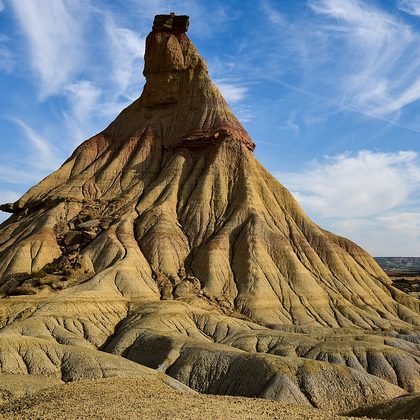
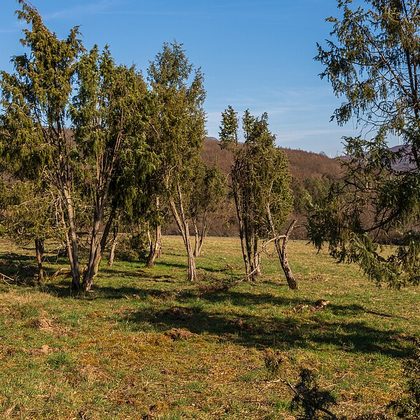
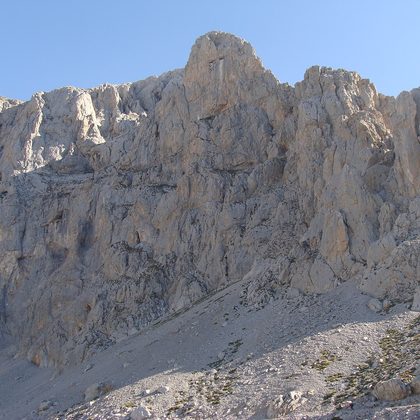
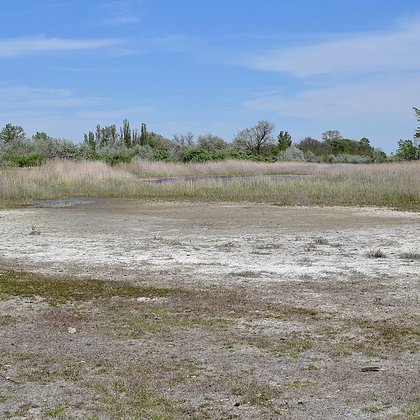
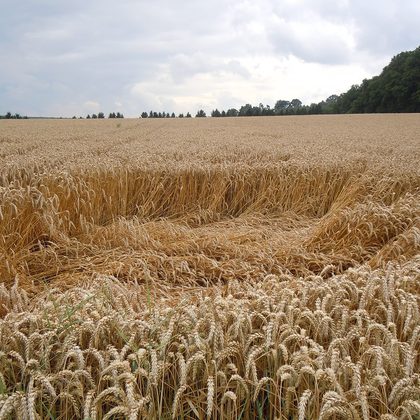
Mainly a Saharan species, but also in dry steppe. Sandy soils are preferred, but the species also occurs in rocky wadis and on hamadas, bare, hard stone plateaus with very little vegetation. It may move far from vegetation. In southern Tunisia it reaches the margins of farmland. Altitude hardly matters; open, dry country with diggable soil is decisive.
Where the animal is most at home, classified with EUNIS — the European standard for habitats.
Distribution
From Morocco and Mauritania east across the whole Sahara to Egypt and north-eastern Sudan, and on through the Middle East to southern Turkmenistan, western and southern Afghanistan and western Pakistan. In the north of the range this comprises the entire North African desert belt (Morocco, Algeria, Tunisia, Libya and Egypt), as well as Sinai, the Negev, the Arava and Jordan. It is one of the most widespread jirds; the Libyan Jird (Meriones libycus) has an even larger range, from Western Sahara to western China.
- Native
- dark = core range, pale = thinly spread
Way of life
Nocturnal and entirely ground-dwelling; the animals come above ground about an hour after dark. Nomadic: when food runs out or becomes scarce, the whole population moves, over reported distances of up to ten kilometres. Not colonial; depending on circumstances the animals live singly or in loose groups. The diet varies by region: in Arabia acacia, colocynth and Medicago seeds, supplemented with locusts; in Iran seeds of Syrian rue; in Egypt Cassia, colocynth, Anabasis articulata and Zilla; in Israel mainly saltbush (Atriplex halimus) and Moricandia nitens. Its metabolism allows it to concentrate and recycle water, and the species tolerates severe dehydration. Food is stored in separate burrow chambers. Gestation is 21 to 31 days, the litter three to seven young; most litters fall in spring and early summer. The young are naked and blind for the first two weeks, weaned after a month and adult at about two months. It does not hibernate. The animals communicate by foot-drumming and respond to loud ultrasonic sounds.
Where and when to look
Drive at walking pace along a sand track or piste through open desert an hour after sunset, with a companion watching with a lamp: this species is then the one most often seen crossing, with its pale tail base and dark brush. By day, burrow systems can be looked for on sand flats; a system with about ten entrances within a few square metres is easy to recognise, and fresh spoil fans show whether it is occupied. After sunset the drumming can be heard at such a system. In southern Morocco, southern Tunisia and the Negev the species is common in suitable terrain; densities range from a tenth of an animal to eleven per hectare and differ greatly between neighbouring flats.
Conservation status
Least Concern (LC, 2016); no threats are known. The species is locally numerous in suitable terrain and benefits from the margins of farmland in southern Tunisia. As in many desert rodents, numbers fluctuate strongly with rainfall: a wet year produces a large population that collapses again in the following dry year, so that a single count mainly reflects the weather. The species is an important prey of desert owls, snakes and small cats.
Scientific name
Meriones crassus | Sundevall, 1843
Sundevall described the species in 1843 and placed it straight away in the genus where it still stands. Meriones is the name of Meriones, the Cretan hero of the Iliad; the name itself belongs with Greek mēros, 'thigh'. Why Illiger gave it to a jird he does not say. crassus is Latin for 'thick, stout', after the heavier build compared with the other jirds. The specimen the first description was based on came from Egypt, Sinaï.