All species › Rodents › Mice and rats › Pygmy gerbil
Pygmy gerbil | Gerbillus henleyi
Gerbillus henleyi | Gerbillus henleyi
The Pygmy Gerbil (Gerbillus henleyi) is the smallest gerbil of the Old World; at 8 to 14 g it is probably the lightest rodent of Europe, North Africa and the Middle East, lighter than a House Mouse. The species lives from the Atlantic coast of Morocco to the Negev. It is seldom seen, because it comes above ground only several hours after sunset and uses very small burrow entrances.
Tracks
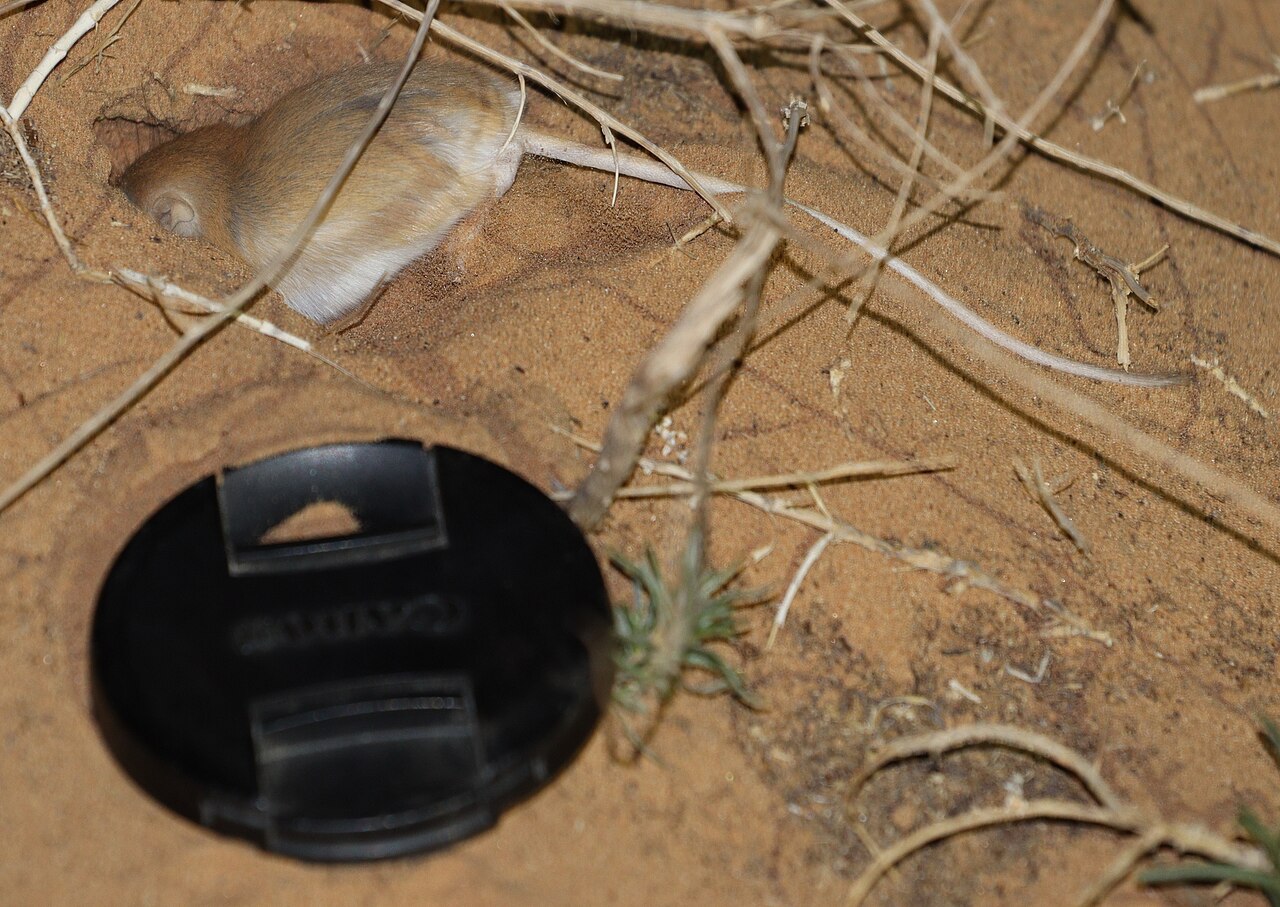
The main sign is the burrow, which is easily overlooked because of its small size. The entrance measures only 10 to 20 mm and by day is plugged from inside with sand; it is then visible only in low morning light, when a shadow rim falls along it, or at night when it is open. The tunnel systems are simple and lie just below the surface. In fine, wind-rippled sand the trail can be found: a series of faint paired prints of at most 1 cm, with four toes on the fore foot and five on the hind foot, sometimes with a thin, wavy tail line between them. Between two bounds there is often 10 to 15 cm of untrodden sand. Droppings are black, hard and spindle-shaped, 2 to 3 mm long, and lie scattered around the burrow entrance and at the base of shrubs where the species gathers seed. The surest evidence comes from pellets: pellets collected below a Barn Owl or Eagle Owl perch contain the very small jaws and the long, thin hind feet of this species, which are easily recognised; in large parts of North Africa and the Levant the species was first recorded in this way.
In its habitat
Identification
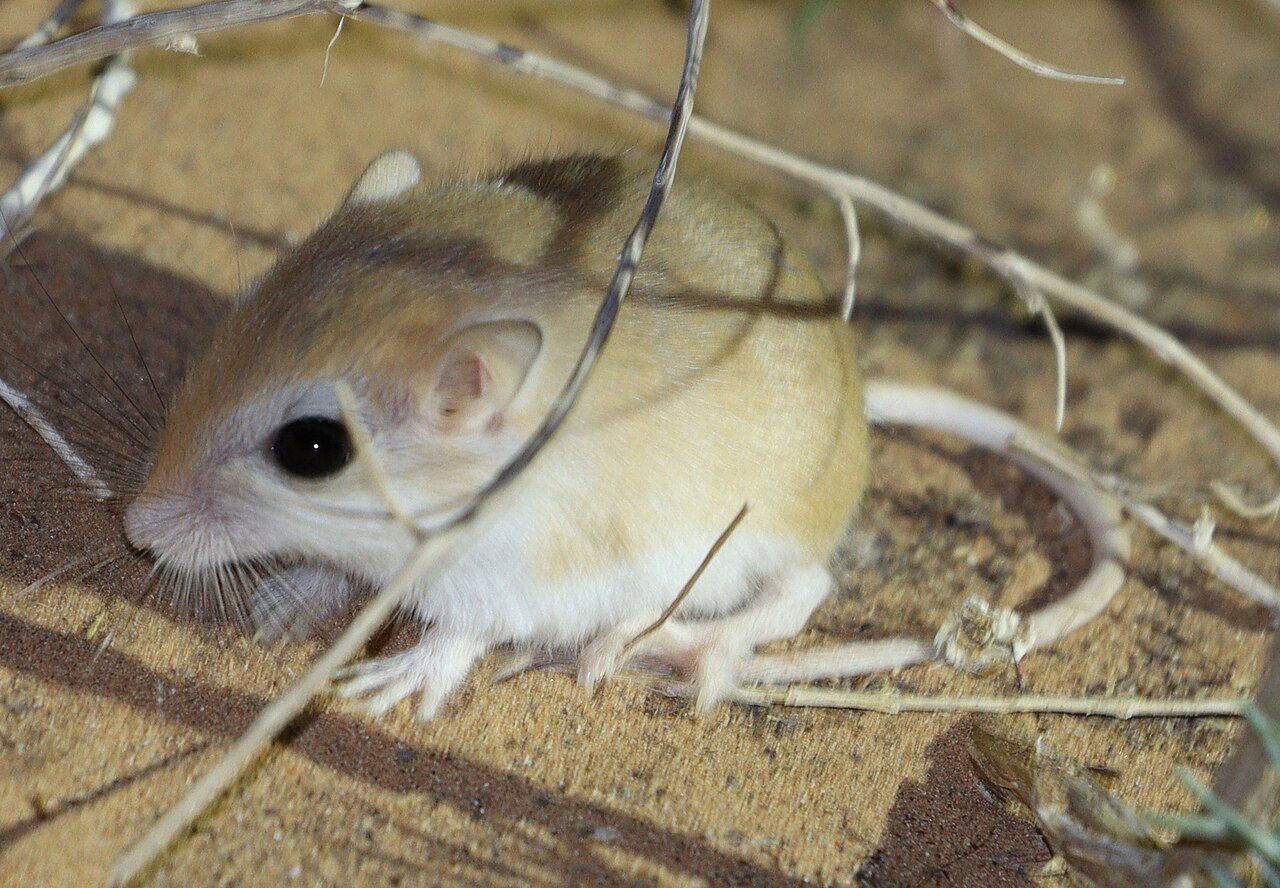
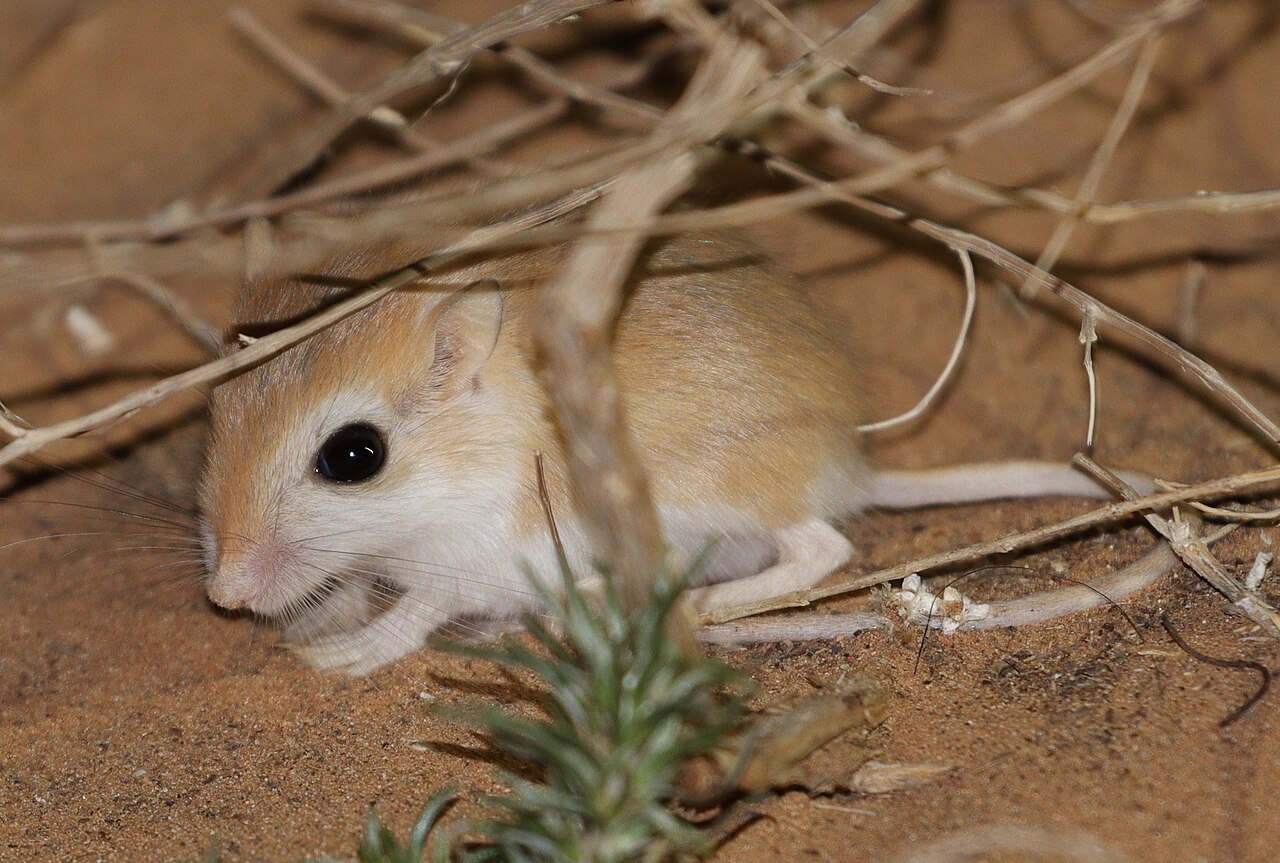
A very small, sandy gerbil with a head-body length of less than 7 cm and a clearly longer tail, about 130 per cent of head-body length. The back is dark brownish grey, the belly pure white and sharply demarcated. The face has a clear white spot above the eye and a second behind the base of the ear; the eyelids have a thin black rim. The ears are small, 8 to 11 mm, and the soles of the hind feet are naked, without the brush of white hairs of the sand-dwelling gerbils. The tail is thin, bicoloured and ends in a narrow, dark grey tuft. The hind feet (16 to 20 mm) are long for so small an animal; the species moves in short, light bounds.
Similar species
The genus Gerbillus is difficult to identify to species in the field: in most species skull or karyotype is decisive. In this species size is useful: it is by far the smallest, and a gerbil about the size of a Harvest Mouse is almost certainly this species. Gerbillus nanus, which inhabits much of the same area, is clearly larger (head-body 72 to 110 mm) and has a longer tail with a heavier tuft. Wagner's Gerbil (Gerbillus dasyurus) lives on stone, whereas this species inhabits sand and salt flats, and is larger and paler. Gerbillus andersoni of the coastal dunes is also larger and has haired soles. The House Mouse, which occurs alongside this species in oases and villages, has shorter hind legs, a short naked tail without a tuft, no white face spots and a musty smell. A young jerboa bounds on two legs, has a much longer tail with a black-and-white banner and much longer hind legs.
Habitat
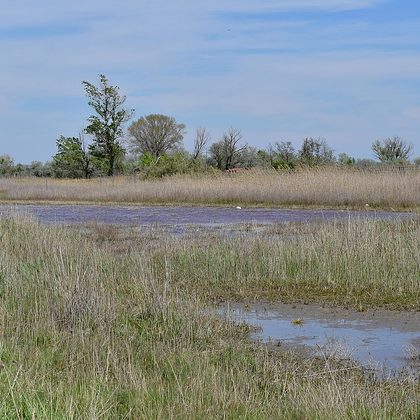
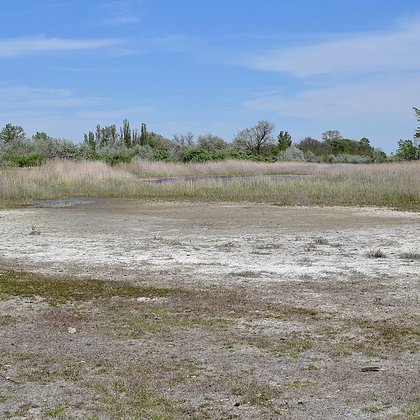
Dry, open, sandy ground with a few low shrubs: sand dunes and blown-sand flats, the margins of salt marshes and sebkhas with halophytes, dry wadi beds and gravel plains where seed collects between the stones. The species needs soft ground for digging, but avoids bare wind-blown dune crests and lives where vegetation provides cover and seed. It is absent from rock; there spiny mice and Wagner's Gerbil live. In farmland it reaches the edges of fields and palm gardens, but is never numerous there.
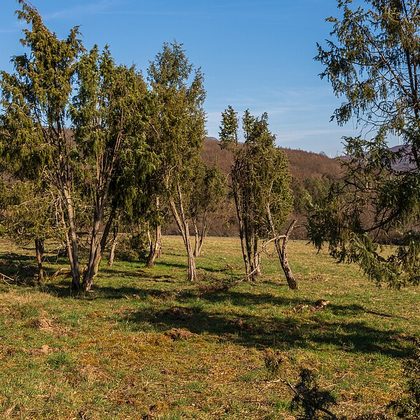
Where the animal is most at home, classified with EUNIS — the European standard for habitats.


Distribution
The arid zones of north-western Africa, from Western Sahara and Morocco east to Egypt, and south of the Sahara from Mauritania and northern Senegal to northern Sudan, with an isolated record from Djibouti; the eastern form mariae lives in Sinai, southern Israel and Jordan and scattered across the Arabian Peninsula. In the northern part of the range this means the desert margin of the Maghreb and Egypt, Sinai and the Negev. The species does not occur in Europe.
- Native
- dark = core range, pale = thinly spread
Way of life
Strictly nocturnal and active only late in the evening; by day the animal stays underground behind a plug of sand. Food consists mainly of seeds, gathered at the base of shrubs and in the lee zone of dunes. Little is known about breeding: three to six embryos have been counted in pregnant females, and there are indications that litters are seasonal, but the months have not been established. In Israel density was around one to two animals per hectare, locally up to five. Recaptures are rare: the animals are not tied to a fixed site and move constantly, which is related to their dependence on unpredictably available seed. There is no winter dormancy.
Where and when to look
The species is seldom seen by chance. Choose a still, moonless night, find a sand flat with low shrubs at the edge of a wadi or salt flat, and sit down at least two hours after sunset with a red lamp; in white light the animal disappears at once. In North Africa, driving slowly along a sand track with a torch out of the car window works better than waiting: the eyes reflect strongly and the animal stays put for a moment. Without approaching the animal, the species can also be established from signs: walk across a fresh sand flat at first light, with the sun low, and look for plugged burrows and faint bound tracks. Pellets from below owl perches produce records more often than a night of searching.
Conservation status
Least Concern (LC, 2016). The species is widespread in a habitat little used by people; no threats are known. It does, however, live at low densities everywhere and is hard to count, so trends can hardly be measured. The distribution picture is largely based on pellet analysis rather than trapping; gaps in the map mainly indicate where no pellets have been collected. Where sand extraction, irrigated agriculture and the stabilisation of mobile dunes remove open sandy ground, the species disappears locally with it.
Scientific name
Gerbillus henleyi | (de Winton, 1903)
De Winton described the species in 1903 as Dipodillus henleyi; because it was later moved to another genus, the author and year stand in brackets. Gerbillus is a diminutive of gerbo, the old name of the jerboa, from Arabic yarbūʿ: the jerboa's little cousin. henleyi honours some Henley, but de Winton gives no explanation and who is meant has never been established. The specimen the first description was based on came from Egypt, Wadi Natrun.