All species › Cranes, rails and allies › Flufftails
Flufftails | Sarothruridae
Dwergrallen | Polluelas enanas
An African and Madagascan family only recently recognised as separate from the true rails (Rallidae). Molecular work showed flufftails to be closer to the finfoots than to the rails they resemble. Seven species of Sarothrura occur in this region. They are tiny, rotund crakes, barely starling-sized, with short tails and dense, soft plumage, the 'fluff' of the name. The sexes differ markedly. Males typically have a chestnut head and breast and a black body finely spotted or streaked with white. Females are drab and brownish, closely barred. Flufftails live deep in dense marsh vegetation, wet grassland and forest-floor litter. They rank among the hardest African birds to see, creeping mouse-like through cover. When flushed, they flutter weakly for a short distance with legs dangling. Even so, several species make long seasonal movements, such as the White-winged Flufftail, which moves between Ethiopia and South Africa. They eat small insects, spiders, worms, snails and seeds, pecked from the ground and leaf litter. The nest is a cup or dome of grass placed low in vegetation and holds two to five white eggs. Usually the only clue to their presence is the voice: far-carrying series of hollow hoots, whistles or moaning notes. Calling is most frequent at dusk, at night and in overcast weather.
Native species 7 species
Species that occur here by nature: breeding birds, winter visitors and passage migrants. They are arranged by genus, in the sequence of the list.
Sarothrura 7 species
-
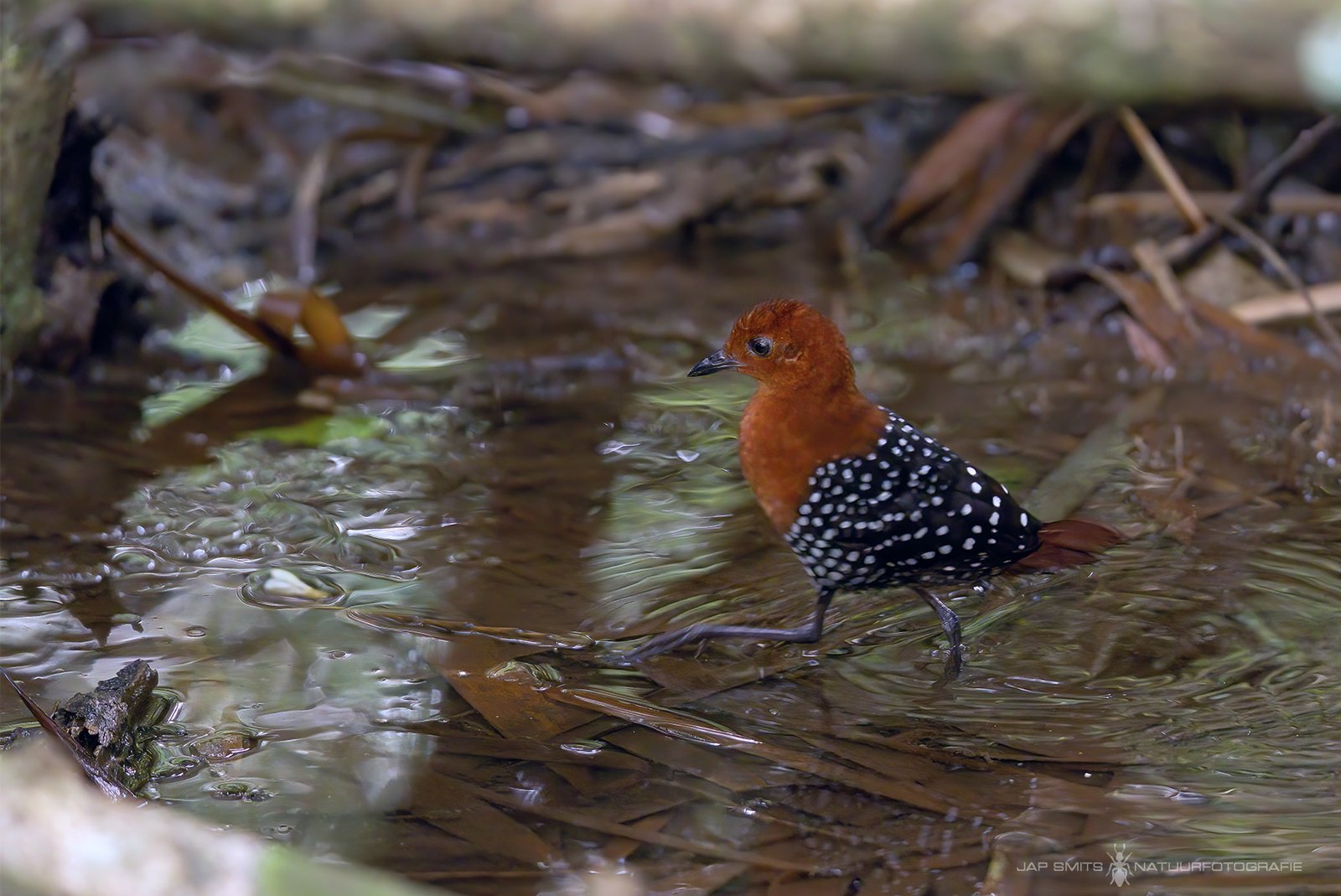
White-Spotted Flufftail
Sarothrura pulchra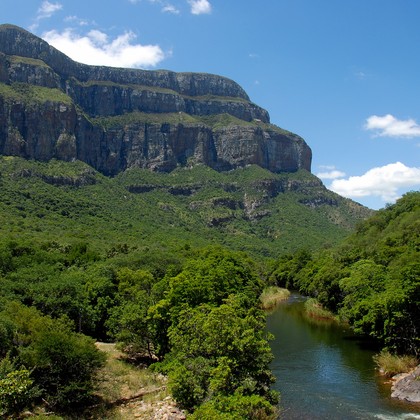 Riverine forest
 Rivers, marshes and vleis
-

Buff-Spotted Flufftail
Sarothrura elegans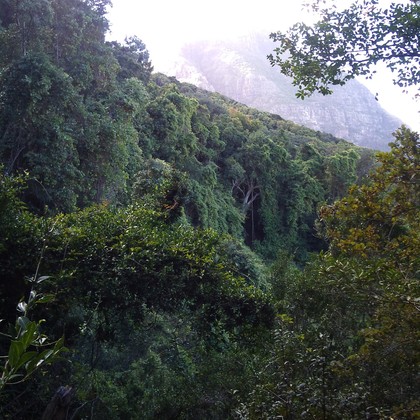 Afromontane forest
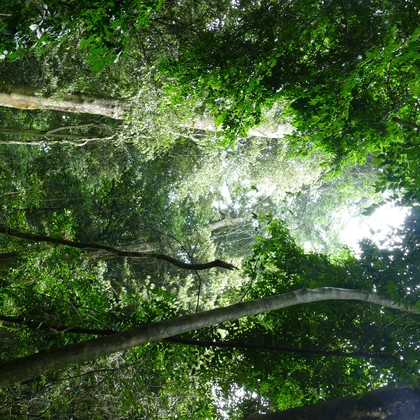 Subtropical lowland and coastal forest
-

Red-Chested Flufftail
Sarothrura rufa- Rivers, marshes and vleis
-
Chestnut-Headed Flufftail
Sarothrura lugens- Rivers, marshes and vleis
 Miombo woodland
-
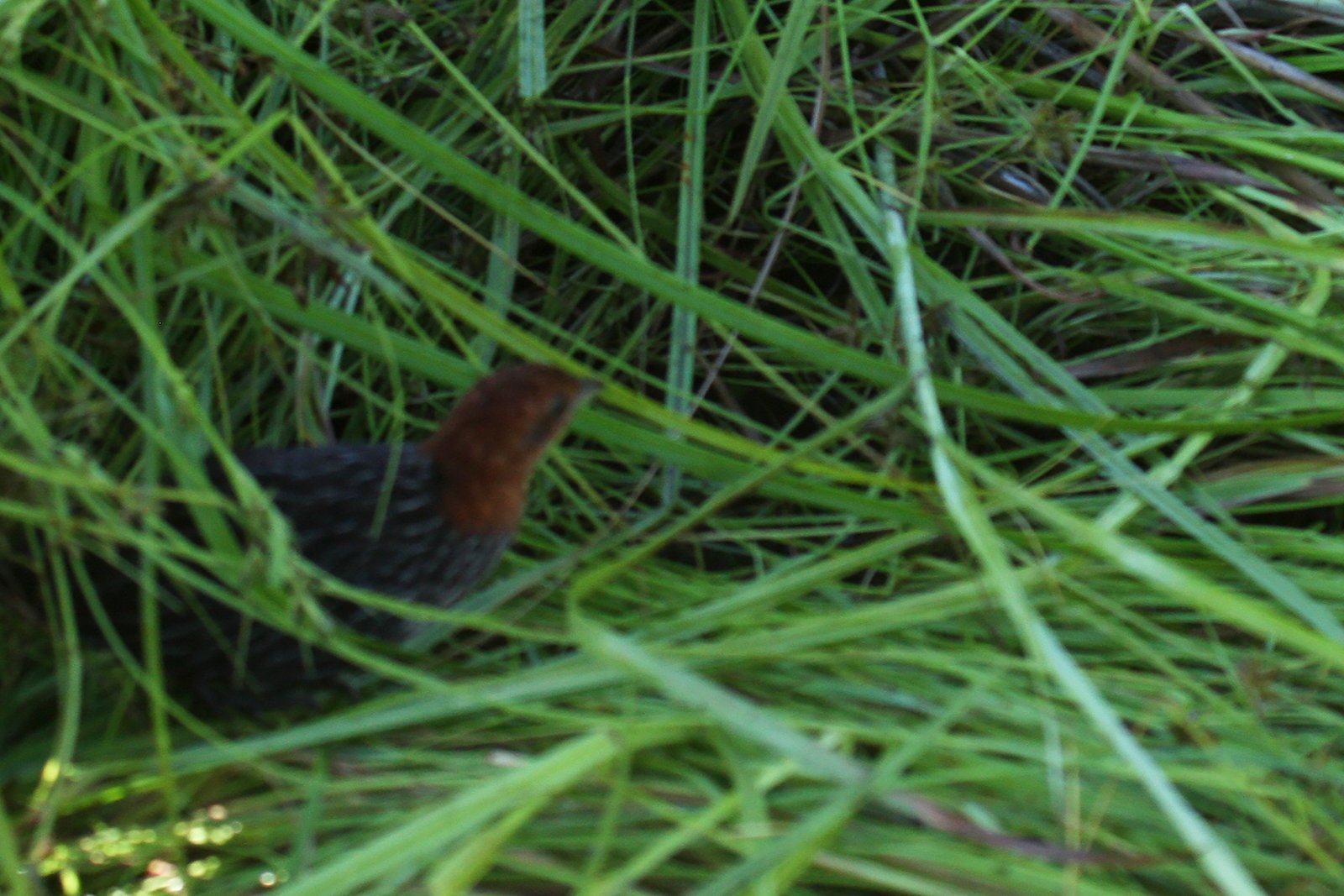
Streaky-Breasted Flufftail
Sarothrura boehmi- Rivers, marshes and vleis
- Miombo woodland
-
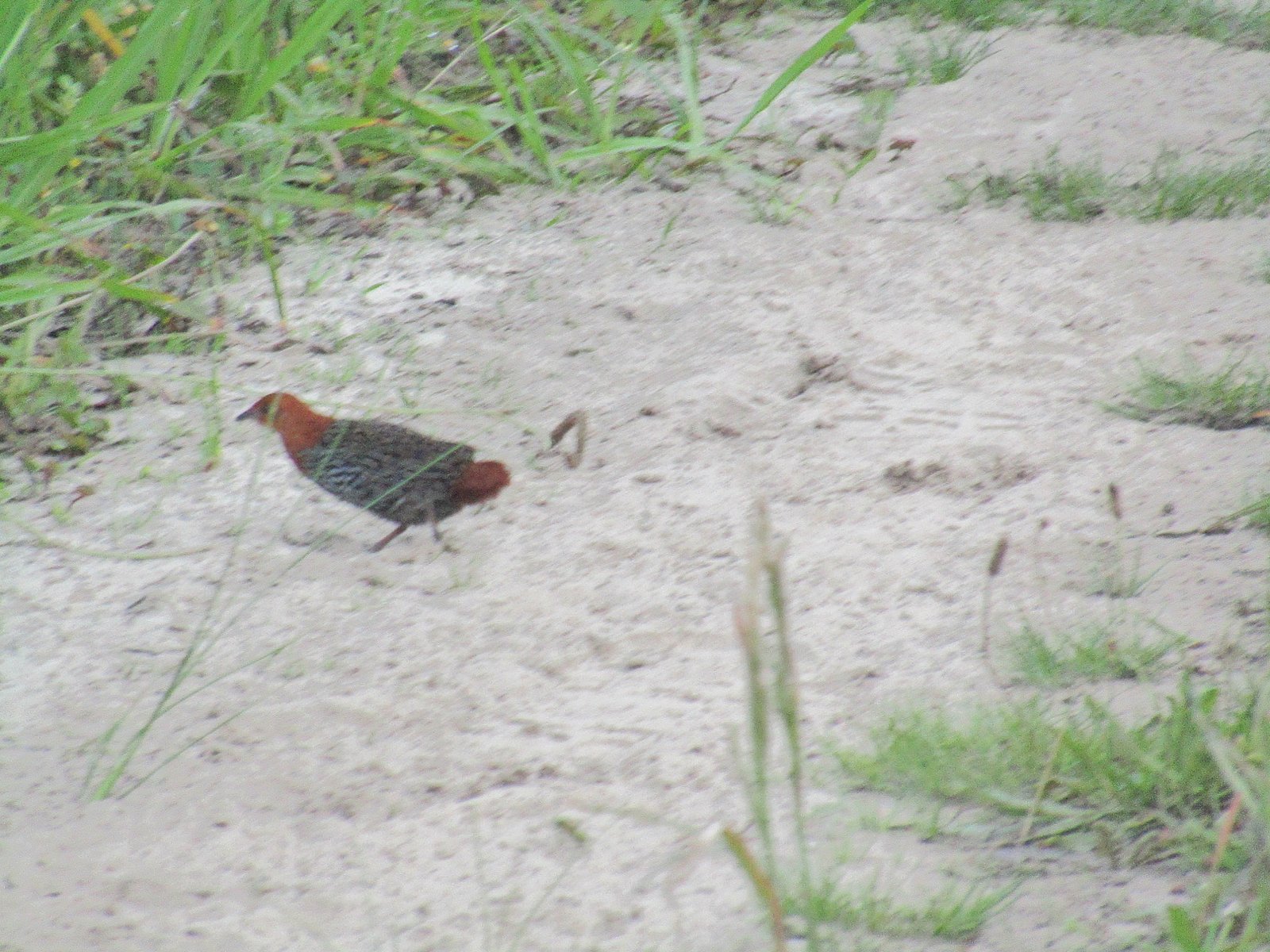
Striped Flufftail
Sarothrura affinis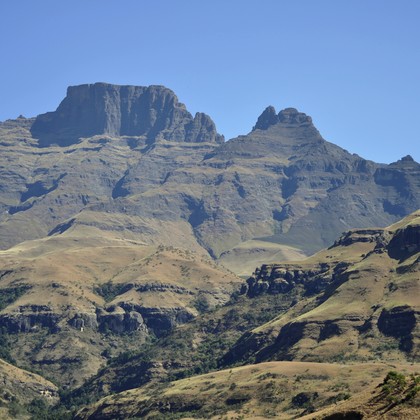 Drakensberg and montane grassland
 Fynbos
-
White-Winged Flufftail
Sarothrura ayresi- Rivers, marshes and vleis
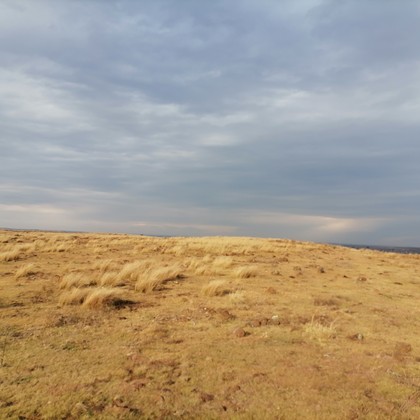 Highveld grassland