All species › Passerines › Mockingbirds and thrashers › Sage Thrasher
Sage Thrasher | Oreoscoptes montanus
Bergspotlijster | Cuitlacoche de las artemisas
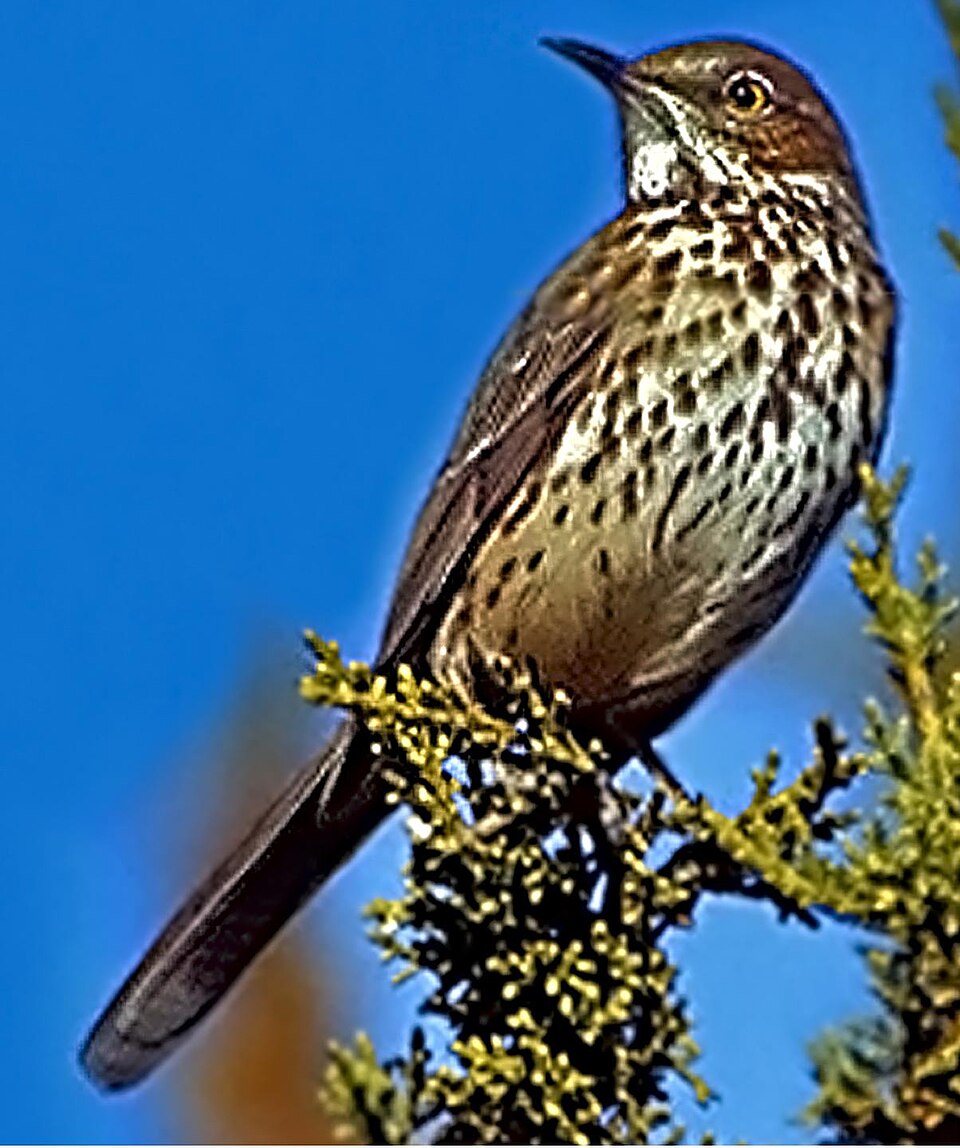
The Sage Thrasher is the smallest thrasher in North America and the only member of the genus Oreoscoptes. It is tied almost completely to sagebrush (grey-green wormwood scrub of the dry western interior) steppe: where the sagebrush goes, the bird goes with it.
Voice
The song is a long, continuous run of soft warbling phrases without harsh notes, averaging about three minutes; one unbroken performance of twenty-two minutes has been recorded. It builds the song from repeated motifs and works in imitations of other steppe species. The call is a short, low chuck and a shrill churr.
Recording: Ed Pandolfino — CC BY-NC-SA 4.0 · Sierrra Valley, Plumas County, California, United States · xeno-canto
Identification
A small, short-tailed thrasher with a straight, fairly short bill rather than the curved dagger of Toxostoma. Grey-brown above, white below with sharp, tear-shaped dark streaks across breast and flanks. The tail has white tips and the wing two narrow white bars. The eye is lemon-yellow to amber. Young birds are paler with vaguer streaking.
Confusion species
At a distance it suggests a small thrush, but Hermit Thrush has round rather than tear-shaped spots, a dark eye, no white tail tips and lives in woodland. Northern Mockingbird is larger, plain grey and unstreaked, and shows large white wing patches in flight. The other western thrashers are bigger, far longer-tailed and have a clearly curved bill.
Habitat
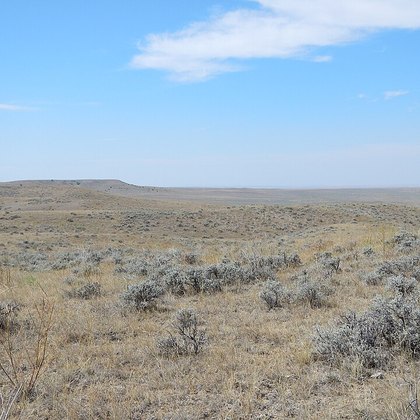
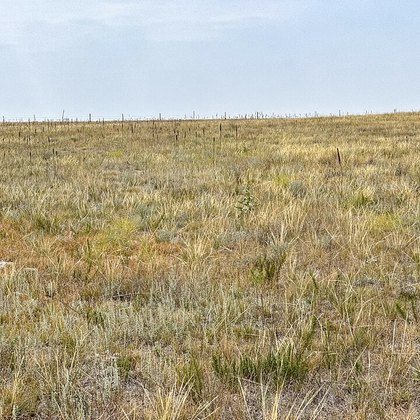
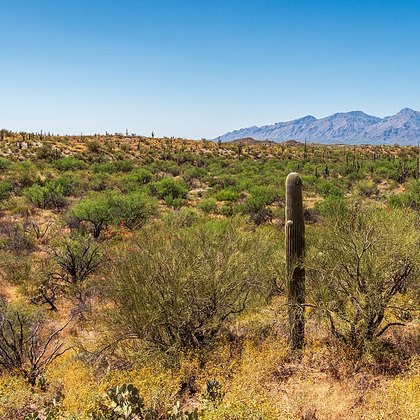
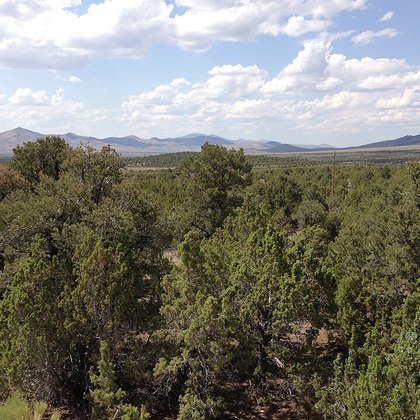
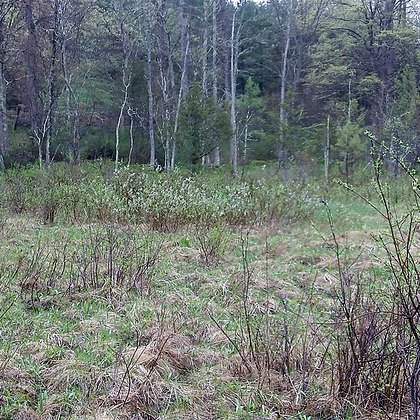
Extensive sagebrush steppe with tall, old shrubs, in which it builds a cup nest about ten centimetres high, and enough bare ground between them to forage on. It rarely nests in fragmented or young vegetation. Outside the breeding season it uses dry open country with scattered bushes, grassland and open pinyon (a low-growing pine of the dry south-western foothills) and juniper woodland, as far south as the Chihuahuan Desert.
Where the bird is most often found, arranged by the USNVC — the vegetation classification of the United States and Canada — and CMECS for sea and coast.
Range and movements
Breeds in the interior West, from southern British Columbia and the extreme southern edges of Alberta and Saskatchewan south to northern Arizona and northern New Mexico. It leaves in September and October and winters from southern Nevada and southern California across Arizona and New Mexico to West Texas, and on south in northern Mexico to about Durango and Zacatecas; roughly half the population winters in Mexico. The exact division among Mexican states here is inferred from written range descriptions.
- Resident
- Breeding (summer)
- Winter
- Passage
- dark = core range, pale = thinly spread
Where and when to look
In April and May the male sings from the top of a sagebrush or a fence post, sometimes in a short song flight — that is when the species is most often detected in the wide steppe. Work along dirt roads through old, tall sagebrush; in low, recently burnt ground or ground overrun by cheatgrass (an introduced annual grass that crowds out the sagebrush steppe) it is absent.
Conservation
Partners in Flight puts the breeding population at about 5.9 million birds. The Breeding Bird Survey shows a decline of nearly 1.5 per cent a year between 1966 and 2014, together about half the population. The cause is loss of sagebrush steppe to cropland, heavy grazing and development, and above all the spread of cheatgrass, which raises fire frequency to the point where sagebrush does not recover. About half the shrubsteppe in Washington has gone; in Canada a few dozen adults remain and the species is listed as endangered.
Scientific name
Oreoscoptes montanus | (Townsend, 1837)
John Kirk Townsend described the species in 1837 as Orpheus montanus, from material taken on the 'plains of the Rocky Mountains' at Sandy Creek in present-day Wyoming; author and year stand in parentheses because the species was later moved to another genus. Oreoscoptes is from Greek oros 'mountain' and skōptēs 'mocker'; montanus is Latin for 'of the mountains'. Both names point to the high plains of the Great Basin rather than true mountain country, and the Dutch name follows the Latin in this. The Spanish name instead cites the sagebrush (artemisa), the plant the bird depends on.