All species › Passerines › Tyrant flycatchers and allies › Nutting's Flycatcher
Nutting's Flycatcher | Myiarchus nuttingi
Bleekkeeltiran | Copetón de Nutting
Nutting's Flycatcher is a flycatcher of the tropical thorn forest of the Pacific slope, from northwestern Mexico to northwestern Costa Rica. Within the the North American guide area it is known mainly as a vagrant: a few dozen accepted records in Arizona, California and Texas, together with a handful of nesting attempts in southern Arizona.
Voice
The call is the decisive character: a loud, sharp and somewhat squeaky single-syllable wheek or wheep, without the rolling quality of Ash-throated Flycatcher. There is also a low whistle that rises and then falls away, wheeeeu, a whinnying trill and a nasal, agitated pee-up or wi-wi-uh. Vagrants in the United States have almost always been found by voice rather than by appearance.
Recording: Manuel Grosselet — CC BY-NC-SA 4.0 · Guadalupe Hidalgo, Soledad Etla, Oaxaca, Mexico · xeno-canto
Identification
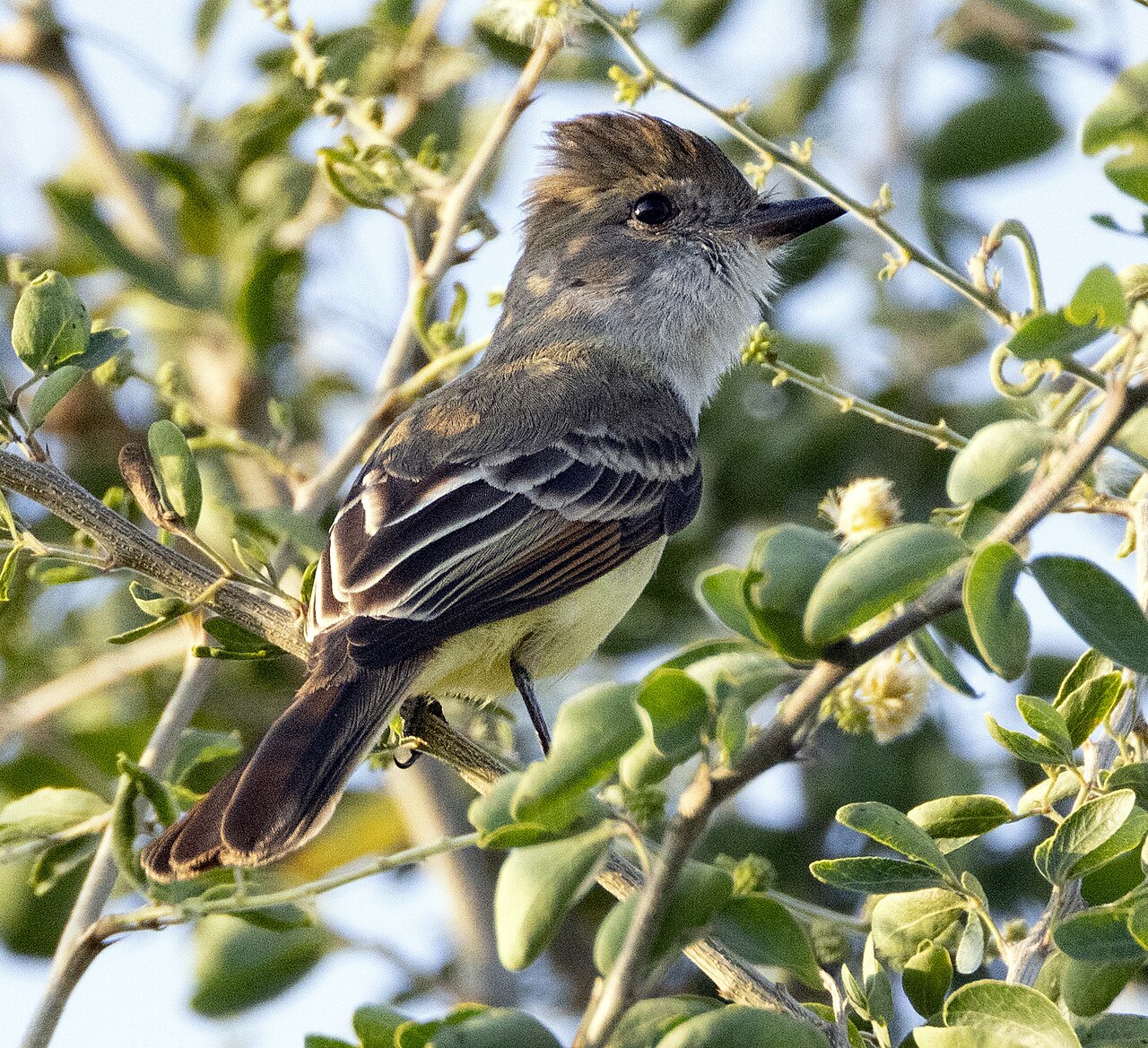
A medium-sized Myiarchus with a slight crest, grey-brown crown, grey throat and breast, and a belly yellower than that of Ash-throated Flycatcher, with a fairly abrupt transition. The upperparts have a rufescent cast. Two marks are reliable: the rufous of the outer tail feathers runs right to the tip, with no dark terminal band on the inner web, and the outer secondaries have yellowish rather than white edges. The mouth lining is orange, visible in the hand or on a calling bird with the bill wide open. The bill is short, stout and wholly black.
Confusion species
Ash-throated Flycatcher is the main confusion species and overlaps in range: it is paler yellow on the belly, calls the burry two-syllabled ka-brick, has white edges to the outer secondaries and a dark tip on the inner web of the outer tail feathers. Dusky-capped Flycatcher is smaller, has a dark cap and almost no rufous in the tail, and calls a plaintive descending peeeur. Brown-crested Flycatcher is larger with a heavier bill and a rolling whirrp. On appearance alone a silent bird often remains unidentified; the call and the tail tip settle it.
Habitat
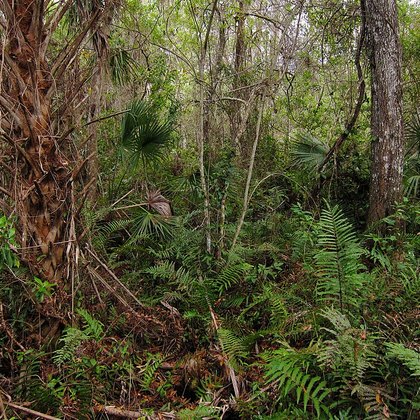
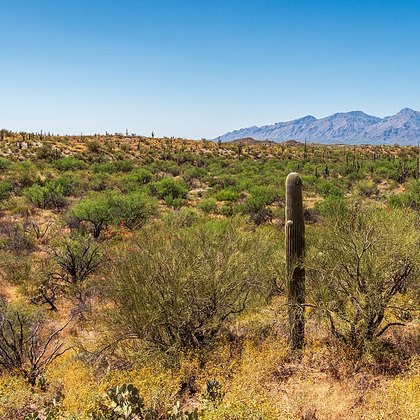
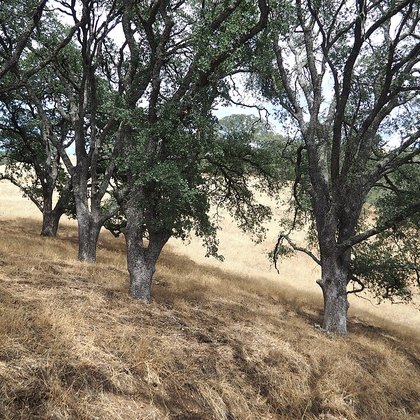
Tropical deciduous forest, gallery forest along rivers, thorn forest and dry scrub, from sea level to about 1800 metres. It forages from the shrub layer to the mid-storey, lower than most of its relatives. Vagrants in the United States have kept to dense riparian growth of willow and mesquite (a thorny pod-bearing shrub of the Southwest that forms dense thickets) along watercourses and ponds.
Where the bird is most often found, arranged by the USNVC — the vegetation classification of the United States and Canada — and CMECS for sea and coast.


Range and movements
Resident in western and southern Mexico and on the Pacific slope of Central America to northwestern Costa Rica; three subspecies, of which inquietus occurs furthest north. From that range the species wanders northwards. The first California record was at Irvine in December 2000; since then wintering birds have been recorded regularly in southern Arizona, and nests a few times. Most United States records fall between November and April.
- Resident
- Breeding (summer)
- Winter
- Passage
- dark = core range, pale = thinly spread
Where and when to look
In Mexico, do not name any Myiarchus by ear without waiting for the call; the sharp single wheek is the quickest usable character. For a suspected bird in the United States, photograph the spread tail from below and the closed wing: the rufous running to the tail tip and the yellowish edges to the outer secondaries are what make a record convincing.
Conservation
The IUCN places the species in the Least Concern (LC) category, with a population of at least 500,000 mature birds, though a decline is suspected. The dry forest of the Pacific slope of Central America is one of the most reduced forest types on the continent, through conversion to pasture and cropland. In the United States the species has no conservation status of its own, since there is no established population.
Scientific name
Myiarchus nuttingi | Ridgway, 1882
Robert Ridgway described the species in 1882 and named it after Charles Cleveland Nutting (1858–1927), the American naturalist who collected the type material in Costa Rica; author and year stand without parentheses because the species remains in its original genus. Myiarchus comes from Greek muia 'fly' and arkhos 'ruler'. The type came from Hacienda La Palma on the Gulf of Nicoya in western Costa Rica. The Dutch name refers to the pale throat.