All species › Passerines › Thrushes and allies › Fieldfare
Fieldfare | Turdus pilaris
Kramsvogel | Zorzal real
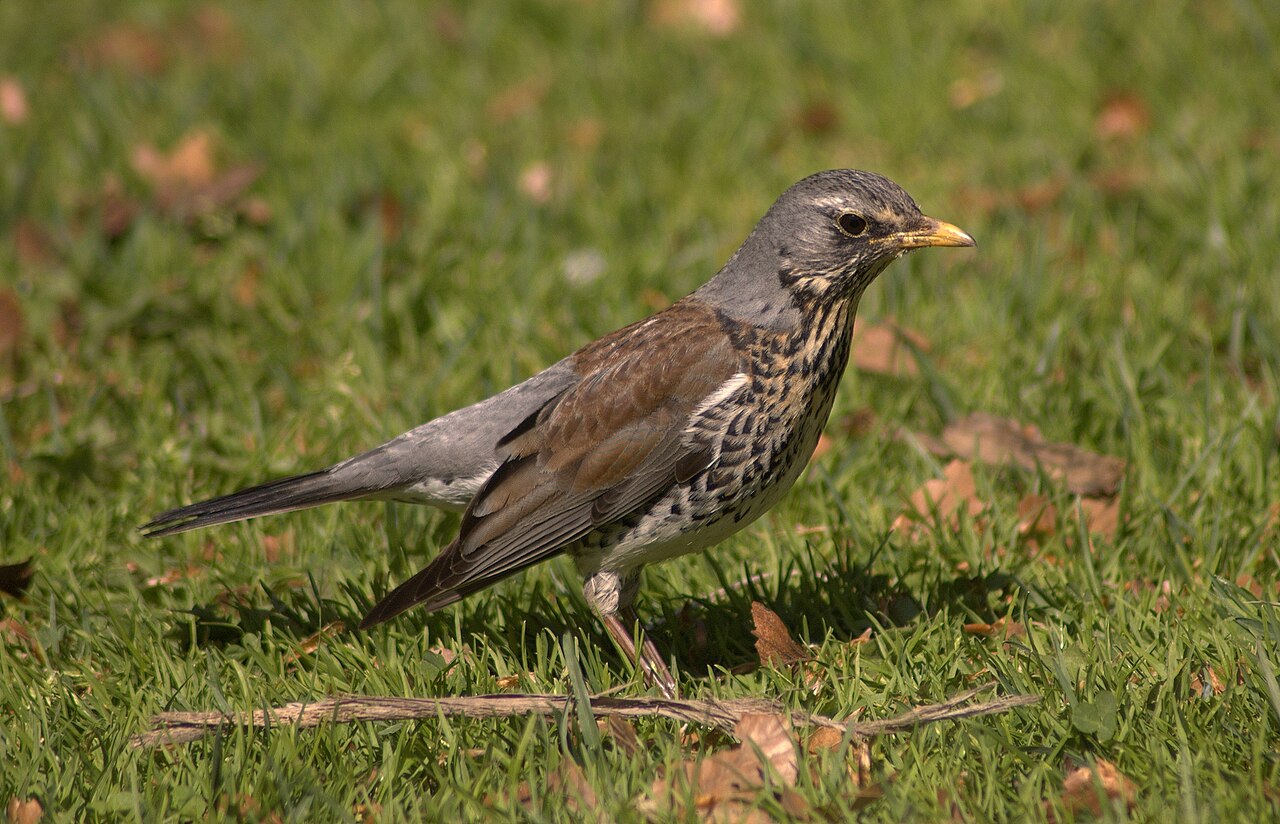
The Fieldfare is a large Eurasian thrush that occurs in North America only as a vagrant, almost always in winter in Newfoundland, Quebec and the eastern provinces, and in spring on the Aleutians. A grey head and rump against a chestnut back and a black tail make a three-toned pattern no other thrush in the guide area shows.
Voice
The call is a hard, rattling tsak-tsak-tsak, given by flocks as they take off and audible at a distance. The song is a disjointed series of short, grating and squeaking phrases interspersed with the same rattling call; the snatches of blackbird-like melody are repeatedly lost in it. At the nest, breeding pairs defend jointly and call loudly, pelting intruders with droppings.
Recording: Stanislas Wroza — CC BY-NC-SA 4.0 · Vestre Jakobselv, Finland · xeno-canto
Identification
A heavy thrush with pale grey head, neck and rump, a chestnut to slate mantle and a black tail; all three zones are visible together from behind in flight. Breast and flanks are ochre-yellow with black arrowhead spots that grow denser towards the flanks; the belly is white. The underwing is clean white and stands out in flight against the dark upperside. The bill is yellow with a dark tip.
Confusion species
Redwing is much smaller, plain brown above, with a white supercilium and rusty flanks. American Robin, with which vagrants often travel, is the same size but has a rusty breast and a dark head without a grey rump. Dusky Thrush has a black breast shield and rufous wing panels, not a grey head. On birds flying away the combination of grey rump, black tail and white underwing is the quickest thing to check.
Habitat
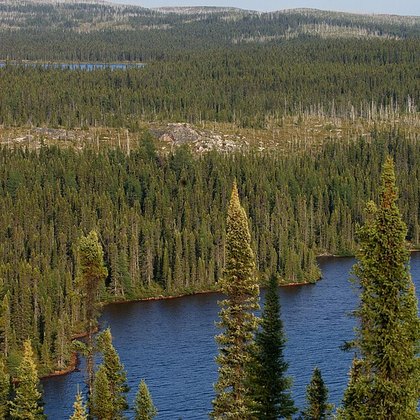
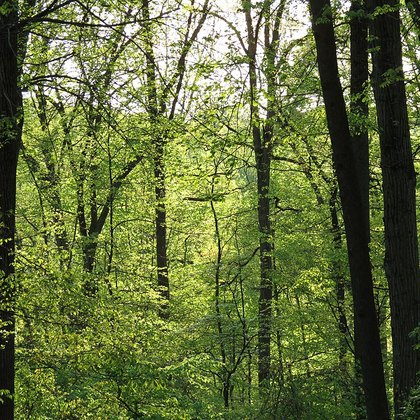
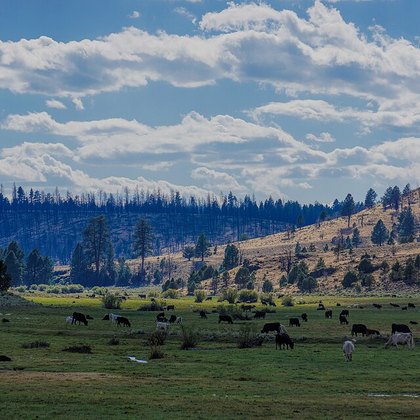
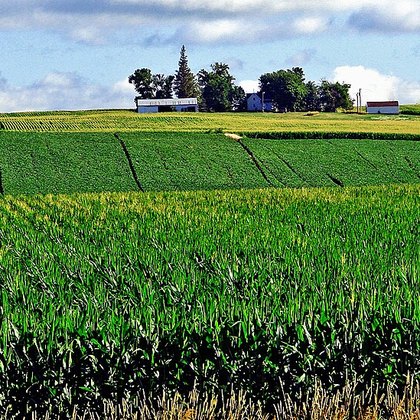
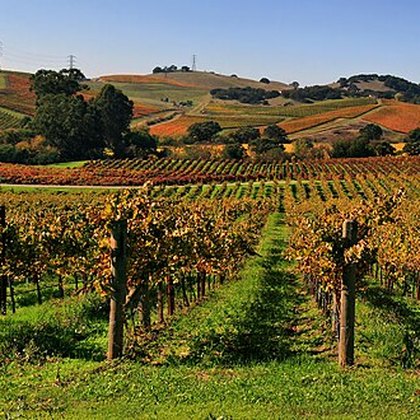
On the breeding grounds open birch and conifer woodland, forest edge, parks and village gardens; it nests in loose colonies of a few to several dozen pairs. In winter open farmland: pasture, arable fields, orchards and hedges with hawthorn and rowan, and in hard frost also gardens with apples. Vagrants in North America are usually at a village edge or in an orchard, among fruit-eating thrushes.
Where the bird is most often found, arranged by the USNVC — the vegetation classification of the United States and Canada — and CMECS for sea and coast.


Range and movements
The breeding range runs from Norway and central Europe east to Transbaikalia, the Aldan and the Tian Shan; it winters in western and southern Europe, North Africa and southwest Asia, moving far south in frost winters. Birds reach Greenland nearly every year; in January 1937 a large flock was driven by storm to southwestern Greenland, where breeding then continued for decades and today is only irregular. In Canada and the northeastern United States there are a few dozen accepted records, mostly between December and April; in Alaska birds appear in spring on the western Aleutians.
Where and when to look
Look for it in Newfoundland or Quebec in late winter in a flock of American Robins at a tree holding fruit; once found, Fieldfares often stay for days or weeks. The loud tsak-tsak on take-off gives it away before the colours can be seen, and the white underwing can be checked even against a grey sky.
Conservation
The world population is put at 44 to 96 million birds and the IUCN keeps the species at Least Concern (LC). In northwestern Europe the breeding population has fallen in recent decades, whereas through the nineteenth and twentieth centuries the species spread west into France and the British Isles. For the guide area its significance is limited to the Greenland birds and the vagrants; hunting of migrant thrushes in southern Europe is the largest known mortality factor in the core range.
Scientific name
Turdus pilaris | Linnaeus, 1758
Linnaeus described the species in 1758 as Turdus pilaris; because it still stands in its original genus, author and year appear without parentheses. Turdus is Latin for thrush; pilaris was already the medieval Latin name for this species, but the origin of that word is uncertain. The Dutch name goes back to 'krammetsvogel', from the old word kranewit for juniper, after the berries the species eats in winter. The English name Fieldfare is at least eleventh-century and is usually explained as 'traveller over the fields'.