All species › Passerines › Finches, euphonias and allies › European Goldfinch
European Goldfinch | Carduelis carduelis
Putter | Jilguero europeo
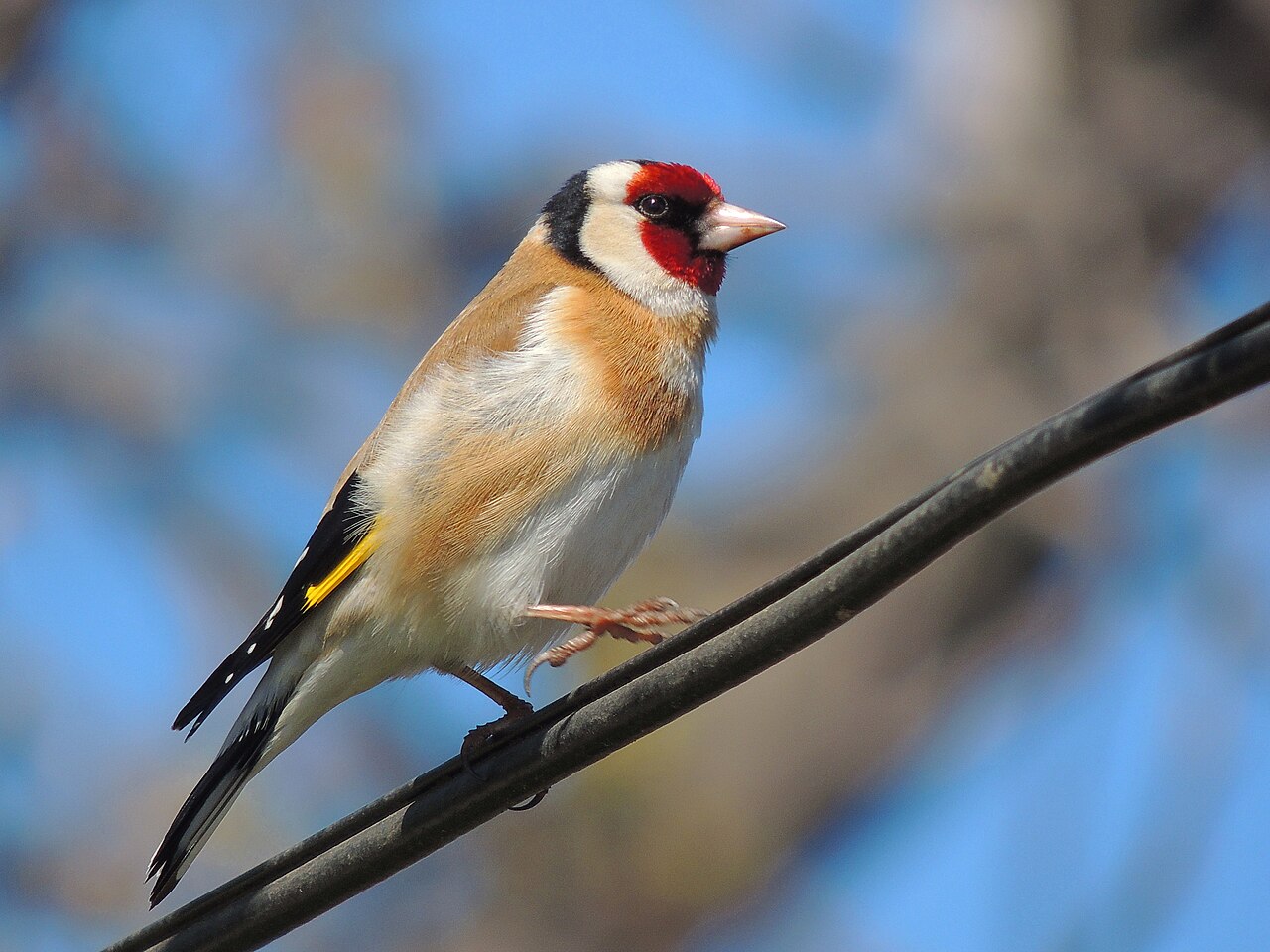
The European Goldfinch is a European finch with a red, white and black head pattern and a broad yellow band across the black wing. In North America it is an introduced bird: after a series of failed introductions in the nineteenth century, a breeding population has held on between Milwaukee and Chicago since the start of this century.
Voice
The call is a clear, skipping tickelit or stiglit, often in flight and from a whole flock at once, producing a rolling tinkle. The song is a rapid, continuous run of those same notes with inserted trills and a distinctive hard, nasal tzeer among them, usually from a wire or a treetop. Song starts as early as February, earlier in the year than in American Goldfinch.
Recording: Andrew McCafferty — CC BY-NC-SA 4.0 · Slack Lane, Cockersands, Lancashire, England, United Kingdom · xeno-canto
Identification
The face is red to behind the eye, framed in white and black; the crown and sides of the neck are black, the back and flanks warm buff. The wing is black with a broad, continuous yellow band and white feather tips; the rump is white and the tail black with white spots. The bill is long, pointed and ivory white, with a dark tip in breeding birds. The sexes look alike. Juveniles lack the head pattern entirely: head and body are then grey-buff and finely streaked, but the yellow wing band is already there.
Confusion species
American Goldfinch in summer is bright yellow with a black forecrown and black wings marked with white, not yellow; in winter it is olive-buff with no red or yellow on the head at all. Pine Siskin is smaller, streaked on breast and flanks, and has narrow yellow wing stripes rather than one broad band. On juvenile European Goldfinches the broad yellow wing band is the most usable character in flight, together with the white rump and the long pale bill.
Habitat
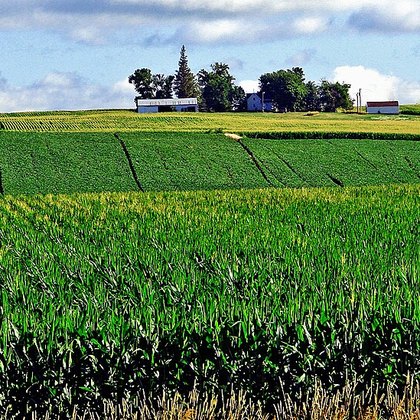
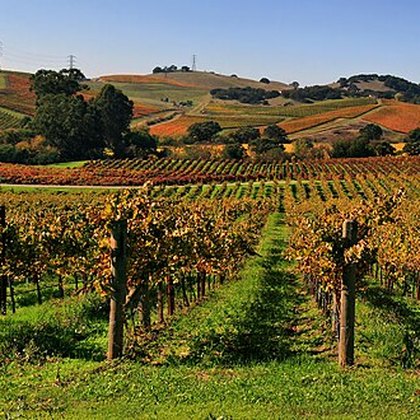
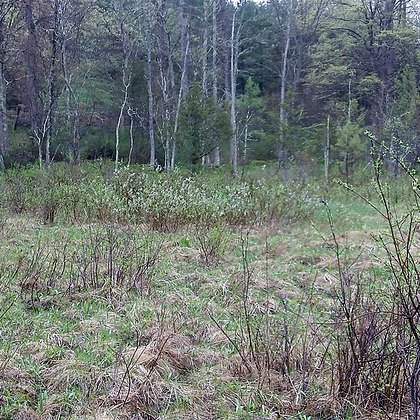
Open ground with scattered trees and plenty of seeding herbs: gardens and parks, railway embankments, vacant lots, road verges, orchards and field margins. Thistle, teasel, burdock and sunflower provide the staple food; in winter it takes nyjer seed and sunflower hearts at feeders. Closed forest it avoids. In the Midwest it nests in ornamental conifers and broadleaved trees of residential areas and business parks.
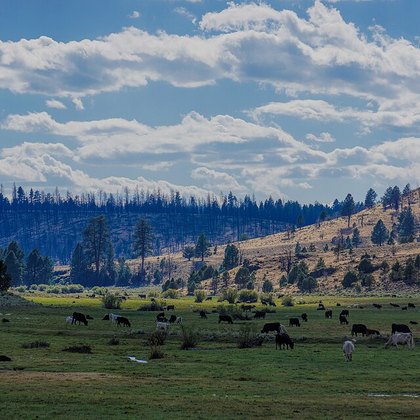
Where the bird is most often found, arranged by the USNVC — the vegetation classification of the United States and Canada — and CMECS for sea and coast.


Range and movements
Native to Europe, North Africa and western and central Asia. In North America birds were released at New York, Boston and Cincinnati in the nineteenth and early twentieth centuries; those populations did not last. The present population probably traces to birds escaped or released from a cage-bird importer in northern Illinois around 2000; breeding has been continuous since 2003. The core lies in Kenosha and Racine counties of southeastern Wisconsin and the adjoining Chicago suburbs, with a gradual spread towards Milwaukee. Elsewhere on the continent, reports are almost always escaped cage birds.
- Resident
- Winter
- Passage
- dark = core range, pale = thinly spread
Where and when to look
The best chance is in residential areas and parks in the Kenosha–Racine strip, from March to May, when the song is heard and the birds still come to feeders in flocks. Go by sound: the skipping call is audibly different from the po-ta-to-chip of American Goldfinch. Report sightings with a photograph, because for the status of an introduced population every documented breeding record counts.
Conservation
In its native range the species is numerous and listed as Least Concern (LC). The North American population is small and confined to a strip a few tens of kilometres wide, but it has held for more than two decades and is slowly expanding. Research focuses on whether competition with American Goldfinch occurs; the European species breeds weeks to months earlier, which makes overlap in nest sites and hybridisation less likely. The species is not managed or controlled in the United States.
Scientific name
Carduelis carduelis | (Linnaeus, 1758)
Linnaeus described the species in 1758 as Fringilla carduelis; because it was later placed in Carduelis, author and year stand in parentheses. Carduelis is the Latin word for the goldfinch, from carduus 'thistle', after its food. The Dutch name comes from putten, 'to draw water': caged birds were taught to haul up their own drinking water in a tiny bucket on a chain. The English name points to the yellow wing band.