All species › Passerines › Tyrant flycatchers and allies › Dusky-capped Flycatcher
Dusky-capped Flycatcher | Myiarchus tuberculifer
Monnikskaptiran | Copetón Capirotado
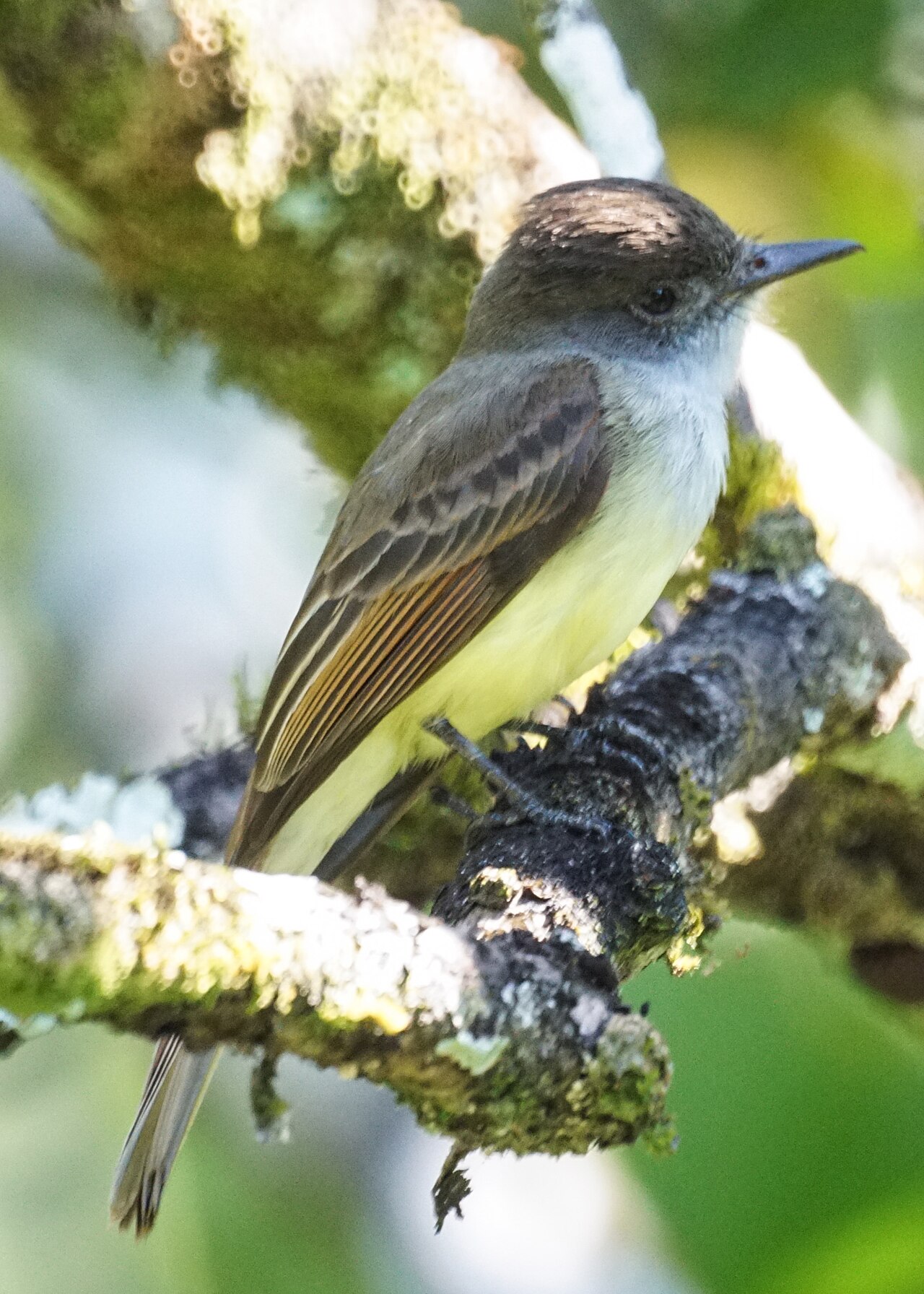
The Dusky-capped Flycatcher is the smallest of the North American Myiarchus flycatchers and the only one with a blackish brown cap that contrasts with the face. In the United States it breeds only in the mountain woodlands of southeastern Arizona and southwestern New Mexico; its range continues from there to Argentina.
Voice
The usual call is a drawn-out descending whistle, peeeur, plaintive in tone and of a single syllable — the most useful character of the species. There is also a short whit and a rolling trill. The dawn song consists of short phrases of two or three elements repeated in the same rhythm for minutes on end, beginning an hour before sunrise. The voice varies markedly by region; birds of the southwestern United States sound different from South American ones.
Recording: Juan Freile — CC BY-NC-SA 4.0 · Reserva Los Cedros, Imbabura, Ecuador · xeno-canto
Identification
A slim flycatcher with a peaked crest, olive-brown upperparts, a grey throat and breast and a bright yellow belly. The crown is clearly darker than the back, almost blackish brown, and contrasts with the paler cheeks. The tail is dull below and lacks the broad rufous outer edges of its larger relatives; at most a narrow rufous line on the inner web. The bill is wholly black and relatively small. It hunts from a perch in the middle storey, taking insects from leaves or in flight.
Confusion species
Within Myiarchus the voice decides. Ash-throated Flycatcher is larger and paler, calls a burry ka-brick and shows obvious rufous tail edges; Dusky-capped gives the drawn-out descending peeeur and has a virtually rufous-free tail. Great Crested Flycatcher is bulky, with a deep yellow belly, a thick bill with a pale base and a loud rising wheep. Nutting's Flycatcher gives a sharp, squeaky wheek and has rufous running to the tail tip. Brown-crested Flycatcher is larger, with a heavy bill, plenty of rufous in the tail and a sharp whit. The dark cap is also a hard plumage mark: the others have a crown that barely differs from the back.
Habitat
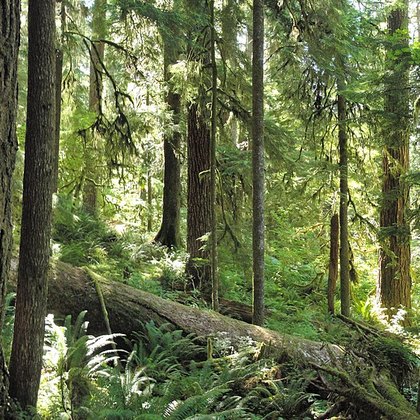
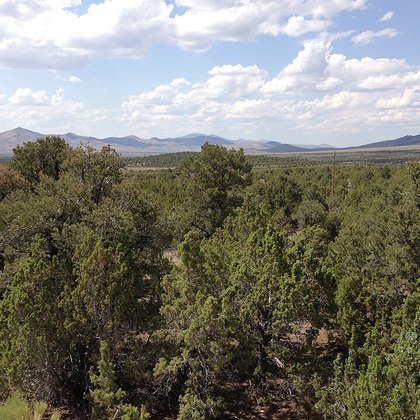
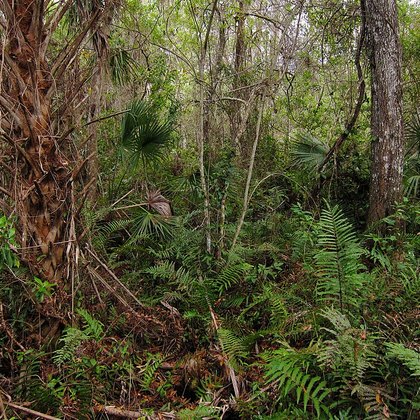
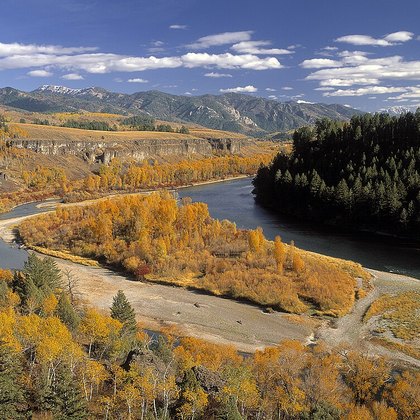
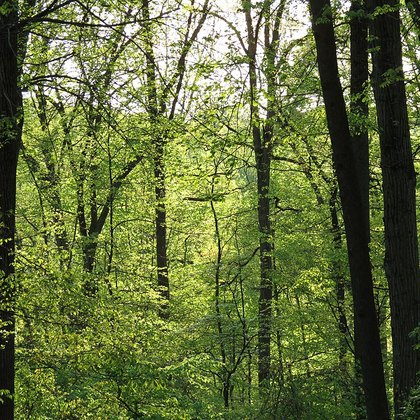
In the north of the range, mountain oak and pine-oak woodland and the deciduous woodland along canyon streams, roughly between 1200 and 2400 metres. Further south also tropical evergreen and semi-deciduous forest, cloudforest, plantations and forest edge, from sea level to over 3000 metres. Everywhere it seeks the edge of the woodland and clearings rather than the closed interior.
Where the bird is most often found, arranged by the USNVC — the vegetation classification of the United States and Canada — and CMECS for sea and coast.

Range and movements
From southeastern Arizona and southwestern New Mexico through the whole of Mexico and Central America and far into South America. The northern breeders are migratory: they arrive in April and leave in September for western and southern Mexico. From Mexico southwards the species is resident. Thirteen subspecies are recognised, differing in colour and voice; several forms once treated as subspecies are now regarded as separate species.
- Resident
- Breeding (summer)
- Winter
- Passage
- dark = core range, pale = thinly spread
Where and when to look
Walk a canyon in the Huachuca, Chiricahua or Santa Rita mountains in May or June and listen for the plaintive descending whistle. The bird sits higher and more hidden than Ash-throated Flycatcher; look into the oak crowns at eye level from a trail above the stream. Do not rely on the colour of the belly, which differs little between the species.
Conservation
The IUCN places the species in the Least Concern (LC) category, with a world population of over twenty million mature birds, though a slight decline is suspected. In the United States the population is small and confined to the border mountain woodlands; fire and the loss of old oaks in canyon woodland are the pressure there. Across most of the range the species is common and adapts to forest edge and plantations.
Scientific name
Myiarchus tuberculifer | (d'Orbigny; de Lafresnaye, 1837)
D'Orbigny and de Lafresnaye described the species in 1837 as Tyrannus tuberculifer; because it was later moved to Myiarchus, authors and year stand in parentheses. Myiarchus comes from Greek muia 'fly' and arkhos 'ruler'. The species name tuberculifer is Latin for 'bearing a small swelling', after a small protuberance the describers noted on the type material. The type came from Guarayos in Santa Cruz, Bolivia. The Dutch and English names both refer to the dark cap; the species was formerly also called Olivaceous Flycatcher.